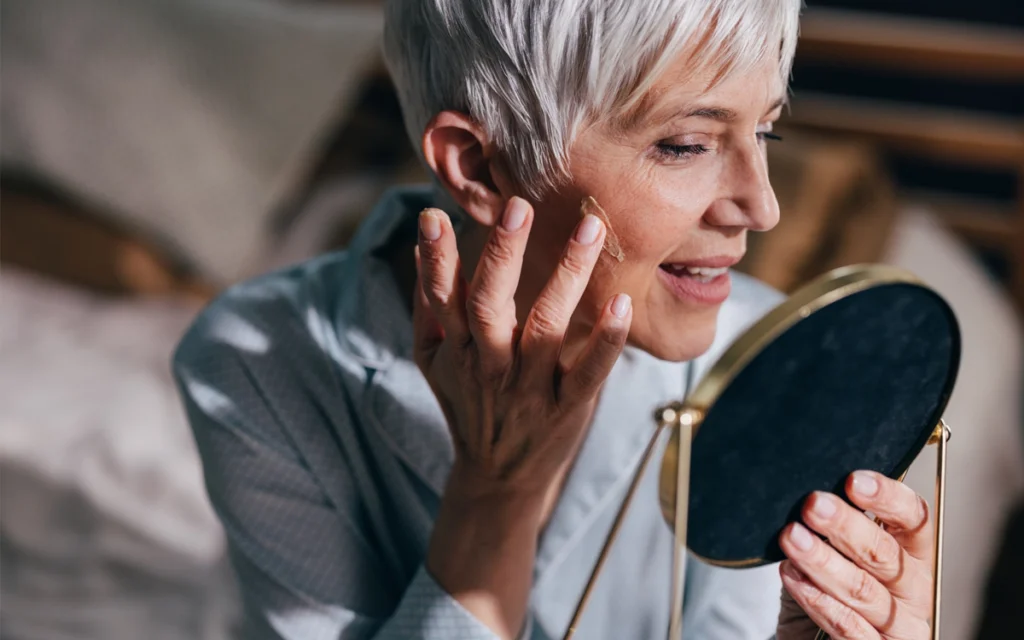
Makeup can be part of your sun protection routine when you choose products formulated with SPF. Still, not every foundation or tinted moisturizer labeled “SPF” provides full coverage against harmful UV rays. This guide explains how to select safe makeup for sun protection, what to look for in ingredients, and how to combine SPF products for daily defense.
Why SPF Makeup Matters for Skin Health
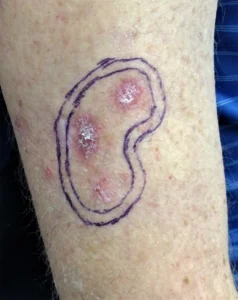
Sun exposure is the leading cause of nonmelanoma skin cancers, including basal cell and squamous cell skin cancer. Even brief, repeated UV exposure contributes to skin damage over time.
Using SPF-infused makeup can add protection, but it should complement—not replace—broad-spectrum sunscreen.
Dermatologists generally recommend applying a dedicated sunscreen (SPF 30 or higher) first and then using SPF makeup as an extra layer.
This “layered defense” approach improves UV protection because most makeup does not deliver the amount of product required to reach its labeled SPF when applied in a typical cosmetic amount.
Ingredients to Look For in Safe Makeup
Dermatologists often recommend SPF products containing:
- Zinc oxide and titanium dioxide: physical (mineral) filters that reflect UV rays and are gentle for sensitive skin.
- Avobenzone or octocrylene: chemical filters that absorb UV radiation for additional coverage.
- Iron oxides: protect against visible light that can worsen pigmentation.
Choose formulas labeled broad spectrum SPF 30 or higher, and look for products described as won’t clog pores and fragrance free to reduce irritation.
How to Layer Makeup for Better Sun Protection
- Apply sunscreen first. Start with a lightweight, broad-spectrum SPF 30+ before makeup.
- Use SPF foundation or tinted moisturizer. Mineral formulas work well for daily wear.
- Set with SPF powder or spray. Ideal for reapplication throughout the day.
- Reapply every two hours when outdoors, since SPF protection fades over time.
This combination ensures consistent protection across exposed areas like the hairline, cheeks, and neck—places often missed with sunscreen alone.
SPF in Makeup: What It Can and Can’t Do
SPF measures protection against UVB rays (the main cause of sunburn). Makeup labeled “broad spectrum” protects against both UVA and UVB.
However, most people don’t apply enough product to reach the full SPF listed on the label. Using dedicated sunscreen beneath SPF makeup provides more reliable protection—something dermatologists emphasize in patient education.
Dermatologist Tips for Everyday Sun Safety
- Reapply SPF powders or sprays to maintain coverage.
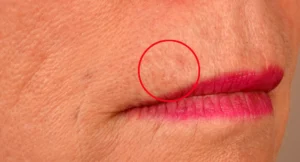
- Use lip products with SPF to protect delicate skin.
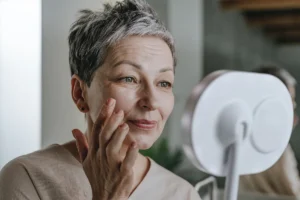
- Remove makeup gently each night and restore your skin barrier with moisturizer.
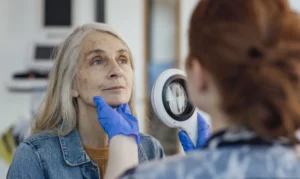
- Schedule annual skin checks, even if you use SPF products daily.
FAQ: Safe Makeup for Sun Protection
No. Most people apply too little makeup to achieve full protection. Always apply sunscreen before SPF cosmetics.
Both can be effective. Mineral sunscreens are often recommended for sensitive or acne-prone skin.
Some chemical filters may cause sensitivity. Choose dermatologist-tested or non-comedogenic mineral options if your skin is reactive.
Yes. UVA rays penetrate windows, so light exposure during commutes or near windows still matters.
GentleCure’s Perspective on Skin Safety
Sun-safe habits, regular skin checks, and awareness of treatment options all play a role in protecting your skin long-term. For individuals diagnosed with basal or squamous cell skin cancers, IGSRT offers a gentle, surgery-free treatment that targets cancer precisely and preserves healthy tissue.