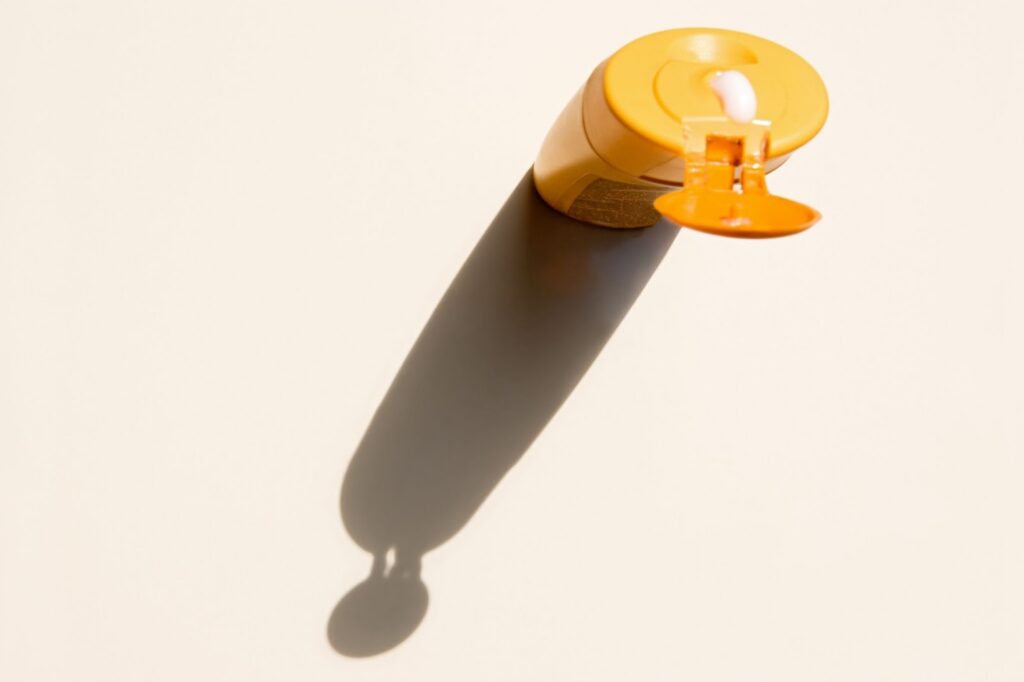
Sunscreen is one of the easiest ways to reduce UV damage, but only if it is still effective. Like most skincare products, sunscreen can expire, and heat or improper storage can shorten its lifespan.
This guide explains how to check expiration, what signs to look for when sunscreen has degraded, how to store it properly, and how often to replace it so you can feel confident you are actually protected.
For a quick foundation on how UV exposure connects to skin cancer risk, see UV radiation and skin cancer.
Yes, sunscreen expires, and it matters
Sunscreen works by using active ingredients that absorb, block, or scatter UV radiation. Over time, those ingredients can break down, which can reduce protection. That is why expiration is not just a technical detail, it affects performance.
If you are looking for the bigger picture on why daily sun protection matters, see does sunscreen prevent skin cancer.
How to check if sunscreen is expired
Most sunscreens include an expiration date on the bottle, often printed on the bottom, the crimped edge of a tube, or near the label seam.
If you cannot find an expiration date
In many cases, sunscreen is designed to remain stable for about three years from the manufacturing date when stored properly. But storage conditions matter, and older products are more likely to degrade.
The safest approach is simple:
- If you cannot confirm the date and it has been sitting around for a long time, replace it.
Signs your sunscreen may have gone bad
Even if the expiration date has not passed, sunscreen can degrade faster if it is exposed to heat, sunlight, or frequent temperature changes.
Replace sunscreen if you notice:
- Separation that does not remix when you shake it
- Change in texture (watery, gritty, clumpy, or sticky)
- Change in color
- Strong or unusual smell
- Stinging or irritation that is not typical for you
If sunscreen no longer spreads evenly, you cannot rely on it to form a consistent protective layer.
The biggest mistake: storing sunscreen in heat
Heat is one of the fastest ways to break down sunscreen ingredients.
Common places that shorten sunscreen lifespan
- In the car glove box
- In the trunk
- In a beach bag left in the sun
- On a window ledge at home
- In a hot garage
A simple best practice is keeping sunscreen at room temperature and moving it indoors after outdoor activities.
How to store sunscreen the right way
You do not need special storage, just a few smart habits.
Best storage practices
- Keep it indoors at room temperature when possible
- Keep it in a shaded part of your bag during outdoor time
- Avoid leaving it in the car between uses
- If you are outside all day, store it in a cooler bag or wrapped in a towel out of direct sun
These habits help sunscreen stay stable and work as intended.
How often should you replace sunscreen?
Replace sunscreen based on a mix of expiration date and real life use.
Replace it if:
- It is past the expiration date
- You cannot confirm how old it is
- It has been stored in high heat repeatedly
- It looks, smells, or applies differently than it should
Replace it more often if you:
- Keep sunscreen in multiple places (car, bags, home, work) and lose track of age
- Use spray sunscreens that sit unused for long periods
- Have kids and use shared bottles that get left outside
Expired sunscreen and “still getting tan”
People often assume sunscreen is working if they did not burn. But burning is not the only signal. UVA exposure can still contribute to skin damage even when you do not burn.
Proper application matters as much as shelf life
Even fresh sunscreen will not protect well if it is applied too lightly or too inconsistently. See more:
What to do if you used expired sunscreen
If you used expired sunscreen once, do not panic. The solution is a simple action plan.
- Replace the bottle
- Check the other sunscreens you keep in bags, bathrooms, and cars
- Set one reminder at the start of the next season to do a quick “SPF audit”
If you notice a new or changing spot that concerns you, the safest move is still a dermatologist visit.
Frequently asked questions
Yes. Heat and repeated temperature swings can degrade sunscreen faster, even before the official expiration date.
It is not unsafe in the sense of being toxic for most people, but it may not protect you well. That is the main issue.
Yes. Mineral formulas can still separate or degrade, especially with heat and time.
Not always. If your sunscreen is within date and stored properly, it can remain effective. Many people still choose to replace older bottles annually because it is easier and reduces uncertainty.
Key takeaways
Yes, sunscreen expires. Check the date, replace sunscreen that has been exposed to heat, and watch for separation or texture changes. Storage and consistent application are what make sunscreen reliable protection.