As you age, new marks and patches on your skin are common. Most are harmless age spots caused by years of sun exposure, but some may be early signs of skin cancer. Understanding the difference between the two can help you know when to see a dermatologist.
What Are Age Spots?
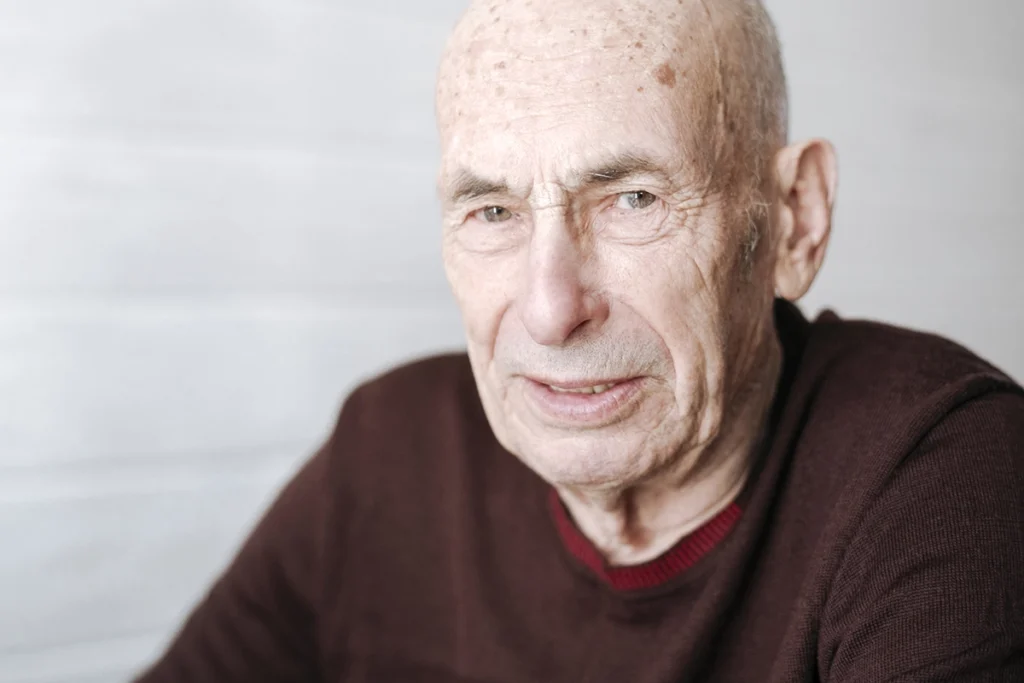
Age spots (also called sunspots or liver spots) are flat, brown areas that appear on sun-exposed skin — usually on the face, hands, and shoulders.
They form when ultraviolet (UV) light increases melanin production in the skin over time.
Typical signs of age spots:
- Light to medium brown color
- Even tone and smooth texture
- Round or oval shape with clear borders
- Stable appearance over time
While age spots are not cancerous, they indicate UV damage — the same type of sun exposure that increases the risk of basal cell and squamous cell skin cancers.
What Does Skin Cancer Look Like?
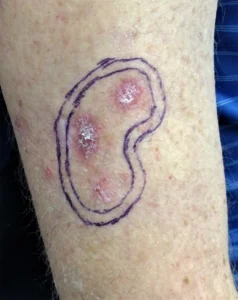
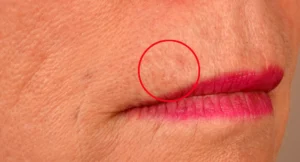
Skin cancer can look like an age spot sometimes, but key differences usually appear over time.
Look for:
- Uneven color (brown, red, or black in the same spot)
- Irregular or blurred borders
- Changes in size, shape, or color
- Crusting, scaling, or bleeding
- Pain, itching, or sensitivity
If a spot looks different from others or changes rapidly, schedule a skin exam with a dermatologist. You can also check the GentleCure’s article covering the beginning signs of skin cancer to help you to better check your spots.

Visual Comparison: Age Spots vs Skin Cancer
| Feature | Age Spots | Possible Skin Cancer |
| Color | Even brown tone | Uneven color: brown, red, pink, or black |
| Texture | Smooth and flat | May be raised, crusted, or rough |
| Borders | Defined and regular | Irregular or fuzzy edges |
| Changes Over Time | Stable | Grows, darkens, or changes shape |
| Symptoms | None | May bleed, itch, or feel sore |
When in doubt, it’s always safer to have a dermatologist examine any new or unusual spots.
Risk Factors That Increase Concern
You may be at higher risk for skin cancer if you have:
- Fair or light skin that burns easily
- History of frequent sunburns or tanning bed use
- Numerous or atypical moles
- Family or personal history of skin cancer
- Long-term sun exposure, especially on the face, neck, or scalp
Even individuals with darker skin can develop skin cancer, so everyone should practice regular skin checks.
When to See a Dermatologist
Schedule an appointment if you notice:
- A new or changing spot
- A sore that doesn’t heal after several weeks
- Persistent redness or irritation in one area
- A growth that bleeds or forms a scab repeatedly
A dermatologist can perform a quick, painless biopsy if needed to confirm whether the lesion is benign or cancerous.
FAQ: Skin Cancer vs Age Spots
Can age spots turn into skin cancer?
No, age spots themselves are not cancer, but the UV damage that causes them also increases skin cancer risk.
Are all dark spots on skin dangerous?
Not necessarily. Many dark spots are harmless, but only a dermatologist can confirm whether a spot is benign or cancerous.
How can I prevent both age spots and skin cancer?
Wear broad-spectrum SPF 30+ sunscreen daily, limit sun exposure during peak hours, and schedule yearly skin exams.
Can I remove age spots safely?
Yes. Dermatologists can fade or remove age spots with topical treatments or light-based procedures. Always have any suspicious spot checked before treatment.
GentleCure’s Approach to Early Detection and Treatment
At GentleCure, we believe awareness and prevention go hand in hand. Recognizing early changes in your skin helps ensure faster, gentler treatment options if cancer is found.
For nonmelanoma skin cancers like basal cell and squamous cell skin cancers, GentleCure / Image-Guided SRT (IGSRT) offers a surgery-free, non-invasive treatment that uses low-energy X-rays guided by ultrasound imaging to target cancer while preserving healthy skin.
Learn more: