GentleCure Blog

Welcome to the GentleCure Skin Cancer Blog

Thank you for visiting our blog. If you’re looking for information on skin cancer types, skin cancer statistics, general skin cancer facts, sun safety tips, and more information you can trust, you’ve come to the right place. At GentleCure, we are on a mission to empower those with nonmelanoma skin cancer to be educated, active participants in their treatment decisions. Providing you with a breadth of knowledge about skin cancer and its treatment is just one way we can achieve that goal. Learn more below about the types of posts you can expect to find on our blog, then find out how to get in touch with us if you would like to talk with a Skin Cancer Information Specialist.

What topics are covered in our blog?

GentleCure® blog posts will cover everything from basic skin cancer facts and skin cancer statistics to more specific information regarding nonmelanoma skin cancers like basal cell skin cancer and squamous cell skin cancer. You will find answers you can trust to questions like:

  • What is nonmelanoma skin cancer?
  • What are the symptoms of basal cell skin cancer and squamous cell skin cancer?
  • What causes basal and squamous cell skin cancers?
  • Are basal and squamous cell skin cancers deadly? What are their survival rates?
  • How are basal and squamous cell skin cancers treated?

In addition to skin cancer facts and statistics, anyone considering Image-Guided Superficial Radiotherapy (IGSRT) as a surgery-free option for treating their nonmelanoma skin cancer can find helpful information about:

  • How IGSRT works
  • What to expect during treatment with IGSRT
  • How IGSRT compares to Mohs surgery
  • Much more

While past experiences with skin cancer treatment may have left you feeling in the dark and unsure of your options, GentleCure is proud to offer a refreshing approach to nonmelanoma skin cancer treatment by providing in-depth answers to all your questions.

Latest Posts

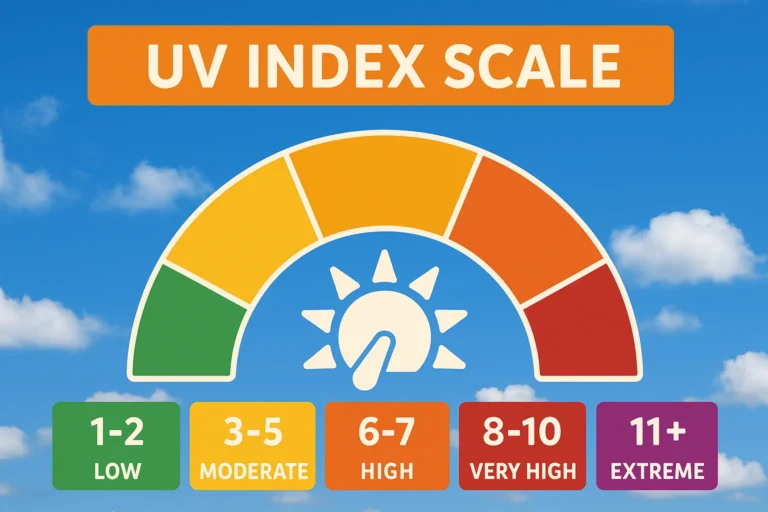
  • Color-coded UV Index scale chart against a blue sky with clouds, showing five levels: 1–2 Low (green), 3–5 Moderate (yellow), 6–7 High (orange), 8–10 Very High (red), and 11+ Extreme (purple), with a sun icon at the center.

    How to Read the UV Index Map and Understand UV Safety Levels

    Not sure what today’s UV index means or how to protect yourself? This guide explains how to read the UV Index map, how UV exposure affects your skin, and how to stay safe outdoors. The National Weather Service provides a UV Index forecast—an essential tool in understanding UV levels by location. If you’re wondering how…Read More

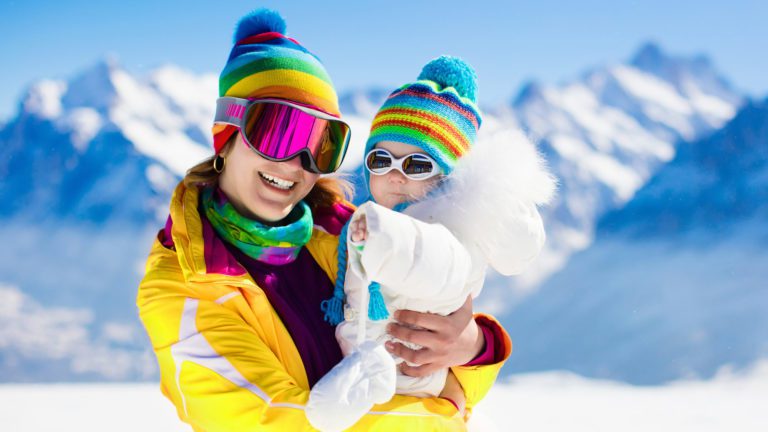
  • Image about Young Mother and Little Baby Enjoying Winter Ski Vacation in Alpine Resort. Eyewear and Sun Protection Sunglasses for Infants. Family with Safe Goggles Walking in the Snow in the Alps Mountains.

    Winter Sun Safety Tips

    When you’re bundled up for some fun in the snow, the thought of possibly getting a sunburn probably doesn’t cross your mind. The fact is that UV rays are still a cause for concern, even during the year’s coldest months. The good news is that you can still enjoy your favorite outdoor winter activities and…Read More

  • Young Woman Looking At Sun Drawn On Her Back With Suntan Lotion

    How to Apply Sunscreen & How Often to Reapply

    When used regularly, sunscreen can help lower the risk of skin cancer, as well as sunburn and premature aging. Ideally, you should apply sunscreen whenever you’re planning to go outside. Even when the weather’s cloudy, we’re still exposed to up to 80% of the sun’s UV radiation. Your skin can still be damaged when it’s…Read More

  • sunscreen and beach hat in sand

    Top Eco-Friendly Sunscreens

    Sunscreen pollution is a real problem that threatens the global safety of coral reefs — one of the most diverse yet delicate ecosystems on Earth. In addition to providing a home for a wide variety of species, coral reefs help protect the coastlines from erosion and storm surges. Unfortunately, coral reef conservation has become a…Read More

  • Image about Hand Turns Dice and Changes the Expression Uv Index to Uv Index .

    What is the UV Index Today?

    What’s the current UV Index rating? What does the UV Index show for tomorrow? You can use this handy tool to check the UV levels in your area, so you can plan your outdoor activities accordingly. It’s important to be aware of the UV Index rating when venturing outside. On a particular day, you may…Read More

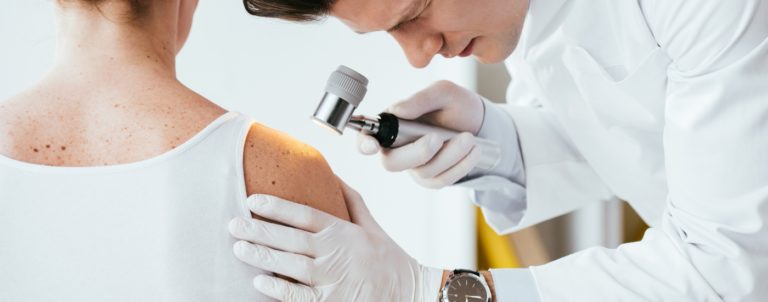
  • Doctor and patient

    What Are the ABCDE’s of Skin Cancer?

    Skin cancer statistics show that early detection can greatly mitigate the risk posed by common and uncommon forms of the disease. Although annual full-body screenings are always preferred, patients who understand how to identify skin cancer are more likely to seek out the help they need. For that reason, health professionals have developed tools and…Read More

  • B.hithe Scalp Simulation

    Identifying Skin Cancer on the Scalp

    Skin cancer is highly correlated with excessive ultraviolet light exposure, and that means the places most likely to develop skin cancer are the places that see the most sun—including areas like the ears, neck, and scalp. With that said, the scalp is one of the most difficult areas for any single person to effectively examine…Read More

  • One Person Is Answering Question about Keratoacanthoma.

    What is Keratoacanthoma?

    What does keratoacanthoma look like? It’s a raised skin tumor that appears in a dome-like shape. While it may closely resemble a pimple, it is actually more serious as it could be a precursor to cancer. Can keratoacanthoma spread, and is it malignant? We’re exploring these answers as well as keratoacanthoma symptoms and treatment in…Read More

  • Senior Woman Seeing Specialist for Diagnostic

    What is Actinic Keratosis?

    Actinic keratosis is a precancerous growth that can develop into skin cancer if left untreated—but what is actinic keratosis, exactly? How can you identify the symptoms and respond accordingly—or prevent actinic keratosis from forming in the first place? Limiting your skin’s exposure to ultraviolet rays and sunlight is a great first step, and we can…Read More

  • Side view of senior man after MOHS surgery

    Post Mohs Surgery Scar Treatment

    Experience with Mohs surgery varies from individual to individual, but some common side effects include pain, bleeding, and scarring. If you’re concerned about the scar after the reconstruction of the affected area– especially on visible areas like the face, then you would want to know how you can dull the appearance as much as possible….Read More

  • Application of a Temporary Butterfly Tattoo

    Can You Get Skin Cancer from Drawing On Yourself?

    Have you ever drawn on yourself with a marker or written a note on your skin when you didn’t have a piece of paper on hand? Most people have done so at least once or twice—but can you get skin cancer from drawing on yourself? It’s highly unlikely. Although inks may contain solvents that can…Read More

  • People walking smiling

    Is Skin Cancer Hereditary?

    Yes, skin cancer can be hereditary. Although the presence of skin cancer in a parent or grandparent is not a perfect predictor of that same disease’s occurrence in a younger generation, a variety of factors put the children of those with skin cancer at a greater risk for the disease. Some of these factors are…Read More

For more information on skin cancer treatment options, speak with a Skin Cancer Information Specialist today.