When most people think about UV exposure, they picture a sunny day outside. But UV exposure can also happen indoors, depending on your routine. The most well known example is indoor tanning, but other sources like UV nail lamps and certain specialized lights can also contribute to exposure.
This article breaks down which indoor UV sources matter most, who should be extra cautious, and what to do if you are trying to reduce risk without overhauling your life.
What counts as indoor UV exposure?
Indoor UV exposure typically falls into a few buckets:
- Indoor tanning beds and sunlamps
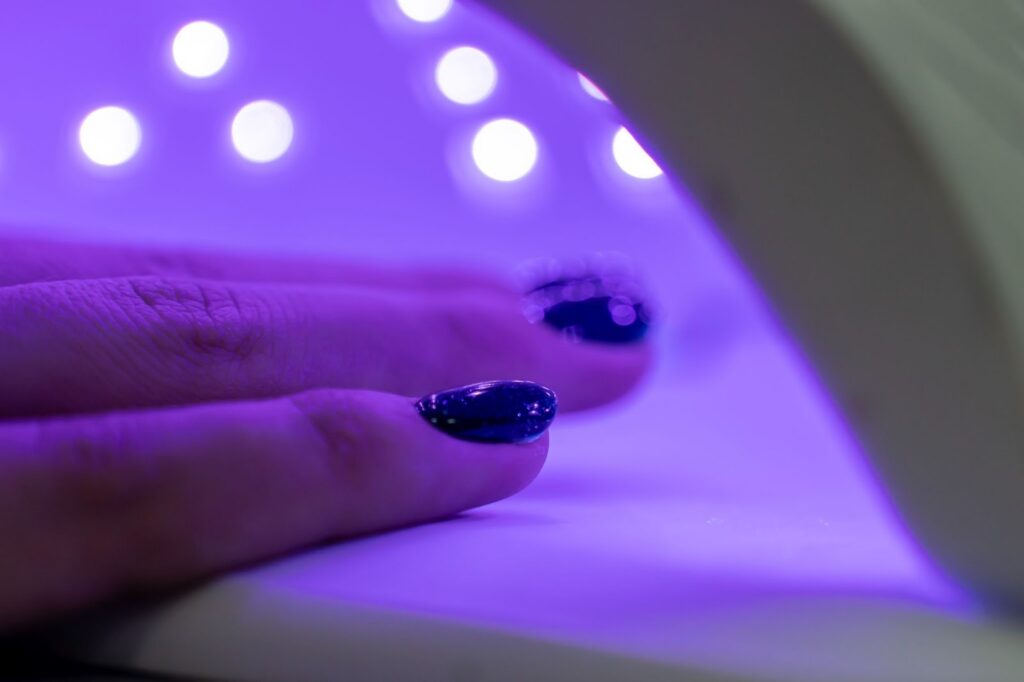
- UV nail lamps used for gel manicures
- Certain work or hobby exposures, such as high intensity UV sources in industrial settings
- Medical phototherapy, which is supervised and used for specific skin conditions (this is different from cosmetic tanning)
Most daily indoor lighting in homes and offices is not a major UV source. The concern is usually tied to devices that intentionally produce UV.
The biggest risk driver: tanning beds
If you are looking for the most meaningful indoor UV risk factor, indoor tanning is it. Tanning beds are designed to deliver concentrated UV exposure, which can accelerate skin damage and increase risk over time.
What about UV nail lamps?
UV nail lamps are much lower exposure than tanning beds, but they are still a form of UV exposure, especially if used frequently over long periods. For most people, the risk is more about cumulative habits than one session.
If you get gel manicures regularly, practical ways to reduce exposure can include:
- Applying broad spectrum sunscreen to hands before your appointment (timed so it absorbs)
- Wearing UV protective gloves with fingertips exposed
- Reducing frequency if you are doing it very often
“But I do not tan. Do I still need to worry?”
For most people, indoor UV is not a constant concern unless a specific exposure is part of their lifestyle.
Indoor UV becomes more relevant if you:
- Use tanning beds or sunlamps, even occasionally
- Get frequent gel manicures with UV curing lamps
- Have a history of skin cancer, precancerous lesions, or high cumulative sun exposure
- Take medications that make you more sun sensitive
- Have a weakened immune system
Practical ways to reduce indoor UV exposure
You do not need a perfect routine. The goal is reducing the highest impact exposures first.
If you use tanning beds
- The most effective risk reduction is stopping use
- If you’re is not ready to stop, reducing frequency still reduces cumulative exposure
- Speak with a dermatologist, especially if you have concerns or a history of skin cancer
If you use UV nail lamps regularly
- Consider protective gloves or sunscreen on hands
- Space out sessions when possible
- Keep an eye on any persistent changes on hands or around nails
What to watch for on your skin
A good rule is to pay attention to persistence and change, especially on areas that get repeated exposure like face, neck, hands, and forearms.
If you are diagnosed with nonmelanoma skin cancer
If you are diagnosed with basal cell or squamous cell skin cancer, your dermatologist will review treatment options based on the type, size, and location.
For some patients, Image-Guided SRT (IGSRT) may be an option. GentleCure utilizes IGSRT, which is a surgery-free approach that can be used for certain common skin cancers. If you receive a diagnosis, you can ask your doctor whether IGSRT is appropriate for your case.
Frequently asked questions
It depends on the source. Tanning beds deliver concentrated UV exposure. Other sources like nail lamps are typically lower exposure, but frequency matters over time.
A tan is a sign of skin damage. It is not a safe form of protection.
Most standard household lighting is not a major UV concern. The main indoor risks come from devices designed to emit UV, especially tanning beds.
If you notice new or changing spots, schedule a dermatology exam. Many people also choose routine screening based on their history and risk factors.
Key takeaways
Indoor UV exposure can increase risk, especially with tanning beds and repeat habits over time. You do not need a complicated plan. Focus on reducing high impact exposures, building simple protection into your routine, and getting a skin exam when something changes or does not heal.