
People with fair skin and light features are known to be at a higher risk of developing skin cancer, but that doesn’t mean everyone else isn’t susceptible, too. Skin cancer can affect anyone, no matter their age, skin color, or gender. Protecting your skin is a year-round effort that goes beyond sunscreen alone. Keep reading to explore GentleCure’s top skin cancer prevention tips.
While some risk factors like genetics cannot be changed, many cases of skin cancer are linked to UV exposure, which makes prevention an important part of long-term skin health. Building consistent daily habits can significantly reduce your overall risk over time.
Choose a Higher SPF Sunscreen and Reapply Often
Sunscreen products labeled “Broad Spectrum” are preferable, as they protect against both UVA and UVB rays. Wearing SPF 15 is certainly better than wearing no sunscreen at all, but an SPF of 50 or higher is recommended to filter 98% or more of UVB rays. Adults should use about one ounce of sunscreen to cover their face, neck, and any exposed areas of the body. Reapply your sunscreen every two hours or more often if you’re swimming or sweating.
For best results, apply sunscreen about 15 minutes before going outdoors and make it part of your daily routine, even on days when you are mostly indoors or in a vehicle. UV rays can still reach your skin through windows.
Cover Up
Long sleeves, pants, sunglasses, and a wide-brimmed hat can do wonders to protect your skin from the sun. Of course, you should still apply sunscreen to any skin that remains exposed.
Clothing with built-in UPF (Ultraviolet Protection Factor) can provide additional protection, especially during extended outdoor activities.
Find a Shady Spot
Whenever possible, seek out a shady spot under a tree. If you’re at the beach or pool, bring a large umbrella if possible. Sun shelter tents designed for camping are also a great option at the beach.
Shade is especially important during peak sun hours, typically between 10 a.m. and 4 p.m., when UV radiation is strongest.
A Cloudy Day Doesn’t Equal Protection
Even on a gray overcast day, the sun can do its fair share of damage. Check the UV index before you head out for the day, as it can still be high enough to warrant the use of sunscreen on a cloudy day.
Up to 80% of UV rays can pass through clouds, which means your skin is still at risk even when the sun is not visible.
Avoid Tanning
Many people say they feel more confident with a tan, but trust us when we tell you that skin cancer, especially melanoma, is not worth that summer glow. Embrace your natural color, and if you want to look a little sunkissed for special occasions, consider using bronzer or self-tanner instead.
Indoor tanning devices, including tanning beds, significantly increase the risk of developing skin cancer and should be avoided.
How Prevention and Early Detection Work Together
Prevention and early detection go hand in hand. While reducing UV exposure lowers your risk, regularly checking your skin helps catch any changes early, when treatment is typically more effective and less invasive.
Examine Your Skin Monthly
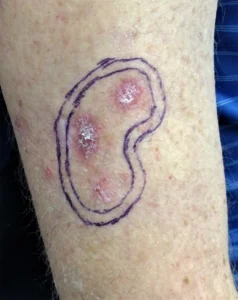
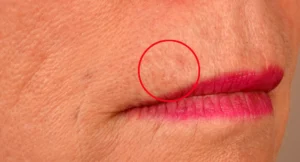
Once per month, you should examine your skin from head to toe. What are you looking for? Any suspicious-looking growths, new or changing moles, sores that won’t heal, and spots that continually itch, scab, or crust could all be cause for concern. Skin cancer can sometimes resemble harmless blemishes, however, such as sunspots. If you have any doubts about whether a spot is healthy, visit your doctor.
Tracking changes over time is key. Taking photos during your monthly checks can help you identify subtle differences that may otherwise go unnoticed.
Visit a Dermatologist Yearly
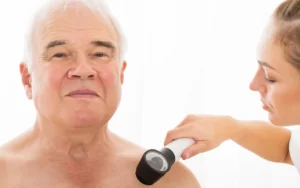
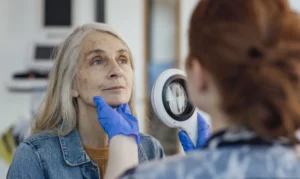
Both men and women should see a dermatologist at least once per year for a full-body skin cancer screening. The earlier a problematic spot is detected, the sooner it can be tested and treated if necessary.
Individuals with higher risk factors, such as a history of sunburns, frequent sun exposure, or a personal or family history of skin cancer, may benefit from more frequent screenings.
Know Your Treatment Options
If you ever receive a skin cancer diagnosis, knowing your treatment options ahead of time can help you feel empowered and better prepared to make a decision. Non-melanoma skin cancers like basal and squamous cell skin cancers can often be treated without surgery through Image-Guided Superficial Radiotherapy (Image-Guided SRT). For more information about Image-Guided SRT, the GentleCure skin cancer information specialists can be reached at 855-936-4411.
Learning about treatment options early can also reduce uncertainty and help you take action more confidently if a diagnosis occurs.
How UV Exposure Builds Over Time
Skin damage from UV exposure is cumulative, meaning it builds gradually over months and years. Even small amounts of daily sun exposure can add up and contribute to long-term skin changes and increased cancer risk. This is why consistent protection, not just occasional sunscreen use, is essential.
Frequently Asked Questions About Skin Cancer Prevention
The best way to prevent skin cancer is to reduce UV exposure by wearing sunscreen daily, covering exposed skin, seeking shade, and avoiding tanning beds.
Sunscreen is an important tool, but it works best when combined with other protective habits like wearing protective clothing and avoiding peak sun hours.
Yes, UV rays can penetrate clouds, so sun protection is still necessary even when it is overcast.
Sunscreen should be reapplied every two hours, or more frequently if you are swimming or sweating.
Yes, repeated UV exposure accumulates over time, which can increase the risk of developing skin cancer later in life.