
Fully Informed Consent Survey
When you are diagnosed with nonmelanoma skin cancer, understanding your treatment options and possible side effects is an important part of making an informed decision.
This survey explored how people described their treatment experience across different nonmelanoma skin cancer treatment options. Respondents were asked about the treatment they received, whether other treatment options were discussed before treatment, whether possible side effects were discussed, and how satisfied they were with their treatment decision and results.
The findings help show how informed respondents felt before treatment and how their reported experiences differed across treatment types.
About the Fully Informed Consent Survey
The Fully Informed Consent Survey asked people treated for nonmelanoma skin cancer about their experience before, during, and after treatment. The survey focused on whether respondents remembered discussing treatment options and possible side effects before receiving care.
In this survey, fully informed consent means that a medical professional discussed both applicable treatment options and potential side effects with the patient before treatment.
- 5,536 people started the survey
- 4,868 respondents indicated that they had experienced a skin cancer diagnosis one time or more
- Respondents reported experience with surgery, radiation therapy, and other treatment options
- The survey asked about side effects, treatment options discussed before treatment, and side effects discussed before treatment
- The survey also asked whether respondents were happy with their treatment decision and whether they would recommend the treatment to others
- The survey was promoted through email lists, social media, and GentleCure.com
Key Findings From the Fully Informed Consent Survey
- Many respondents reported that they had experienced more than one nonmelanoma skin cancer diagnosis, making treatment experience and treatment choice especially important.
- Survey respondents reported different side effect experiences depending on the type of treatment they received.
- The survey found differences in patient satisfaction across treatment types, based on whether respondents said they were happy with their treatment decision and would recommend the treatment to others.
- The findings highlight the importance of discussing available treatment options and potential side effects before treatment begins.
Survey Respondents Had Experience With Nonmelanoma Skin Cancer Treatment
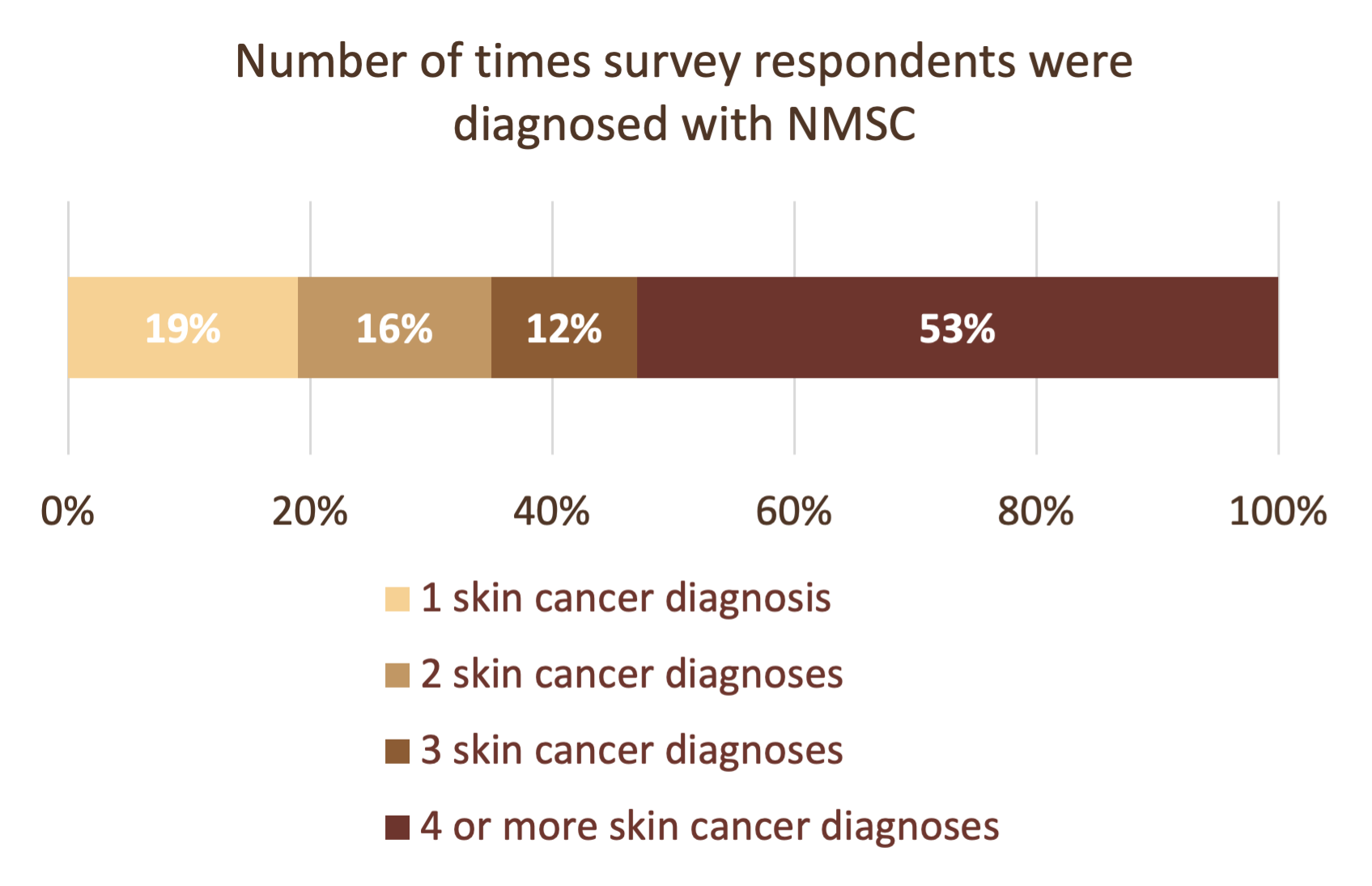
Of the people who started the survey, 4,868 indicated that they had experienced a skin cancer diagnosis one time or more. More than half of respondents with skin cancer experience reported being diagnosed with nonmelanoma skin cancer four or more times.
What This Chart Shows
The Fully Informed Consent Survey included 4,868 respondents who reported experiencing a skin cancer diagnosis one time or more. More than half of those respondents reported four or more nonmelanoma skin cancer diagnoses.
Respondents Reported Experience With Multiple Treatment Types
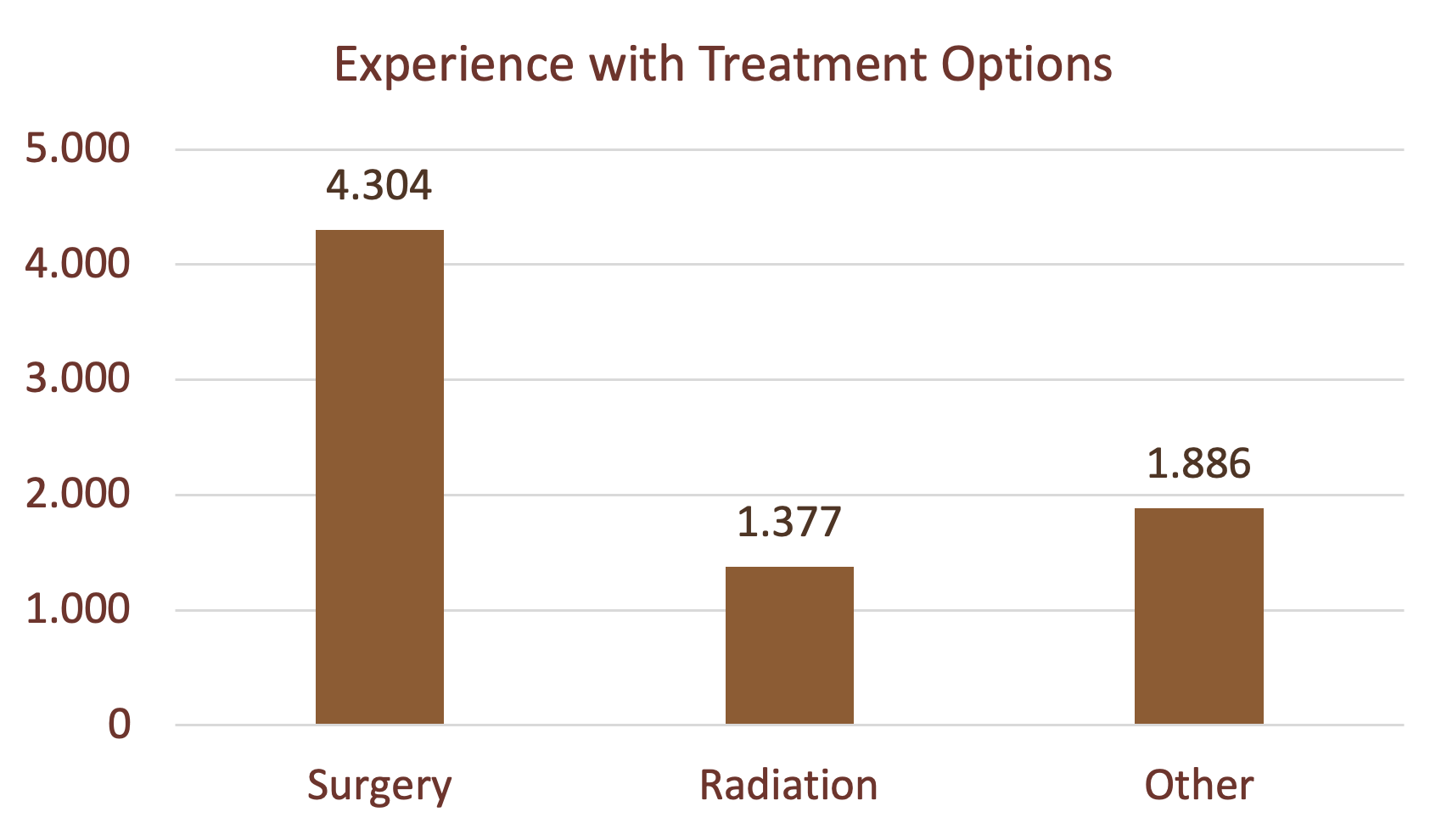
Respondents reported experience with different types of nonmelanoma skin cancer treatment, including surgery, radiation therapy, and other treatment options. This allowed the survey to compare reported experiences across treatment categories.
What This Chart Shows
Survey respondents reported experience with surgery, radiation therapy, and other nonmelanoma skin cancer treatment options, allowing the survey to compare treatment experiences across different categories.
Reported Side Effects Varied by Treatment Type
Across treatment types, many respondents reported at least one treatment-related side effect. The survey found that reported side effects varied by treatment category, including surgery, radiation therapy, and other treatment options.
What This Chart Shows
The Fully Informed Consent Survey found that reported treatment-related side effects varied by treatment type. Respondents reported side effects after surgery, radiation therapy, and other treatment options at different rates.
Cosmetic Side Effects Were an Important Part of the Treatment Experience
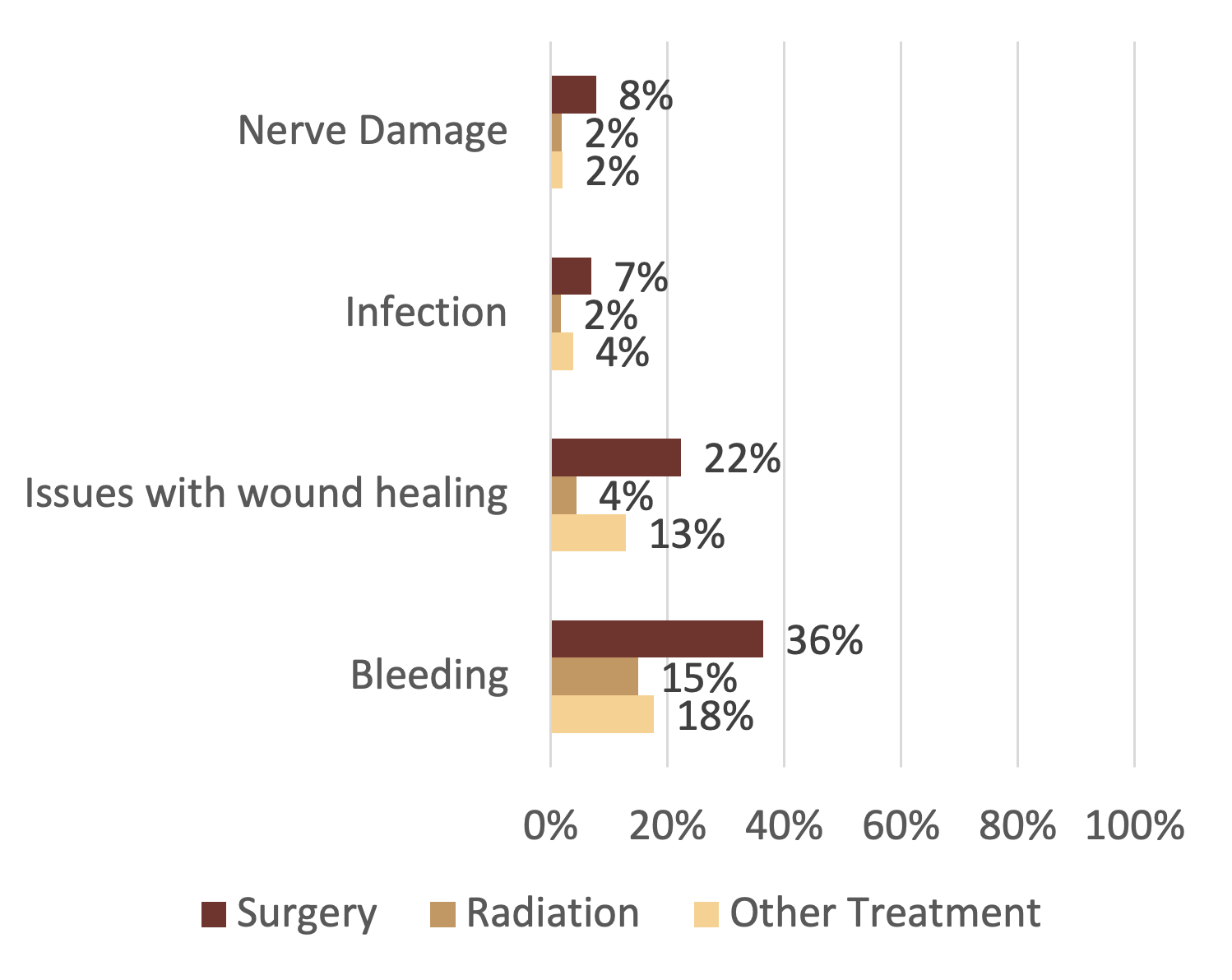
The survey asked respondents to report cosmetic side effects, including scarring, changes in skin color, and hair loss. These results are important because many nonmelanoma skin cancers occur on visible areas of the face, head, and neck, where cosmetic outcomes may be an important consideration for patients.
What This Chart Shows
Survey respondents reported cosmetic side effects such as scarring, changes in skin color, and hair loss. These results help show how cosmetic outcomes may differ across treatment experiences.
Patients Reported Different Medical Side Effects Across Treatment Types
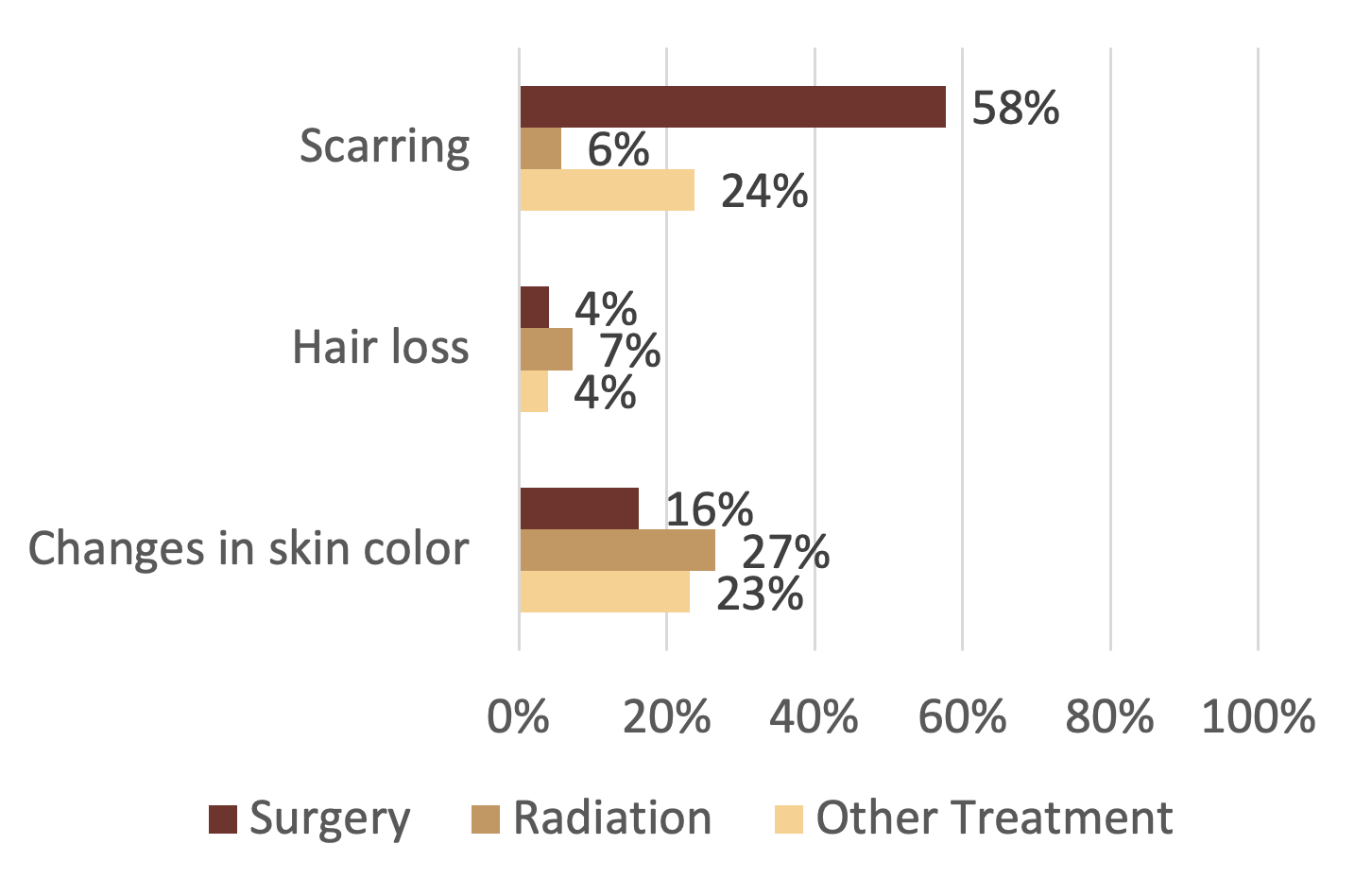
The survey also asked respondents about medical side effects, including wound healing issues, infection, bleeding, and nerve damage. These findings provide additional context around how respondents described their treatment experience after different treatment types.
What This Chart Shows
The Fully Informed Consent Survey asked respondents about medical side effects such as wound healing issues, infection, bleeding, and nerve damage. Reported experiences differed by treatment type.
Were Other Treatment Options Discussed Before Treatment?
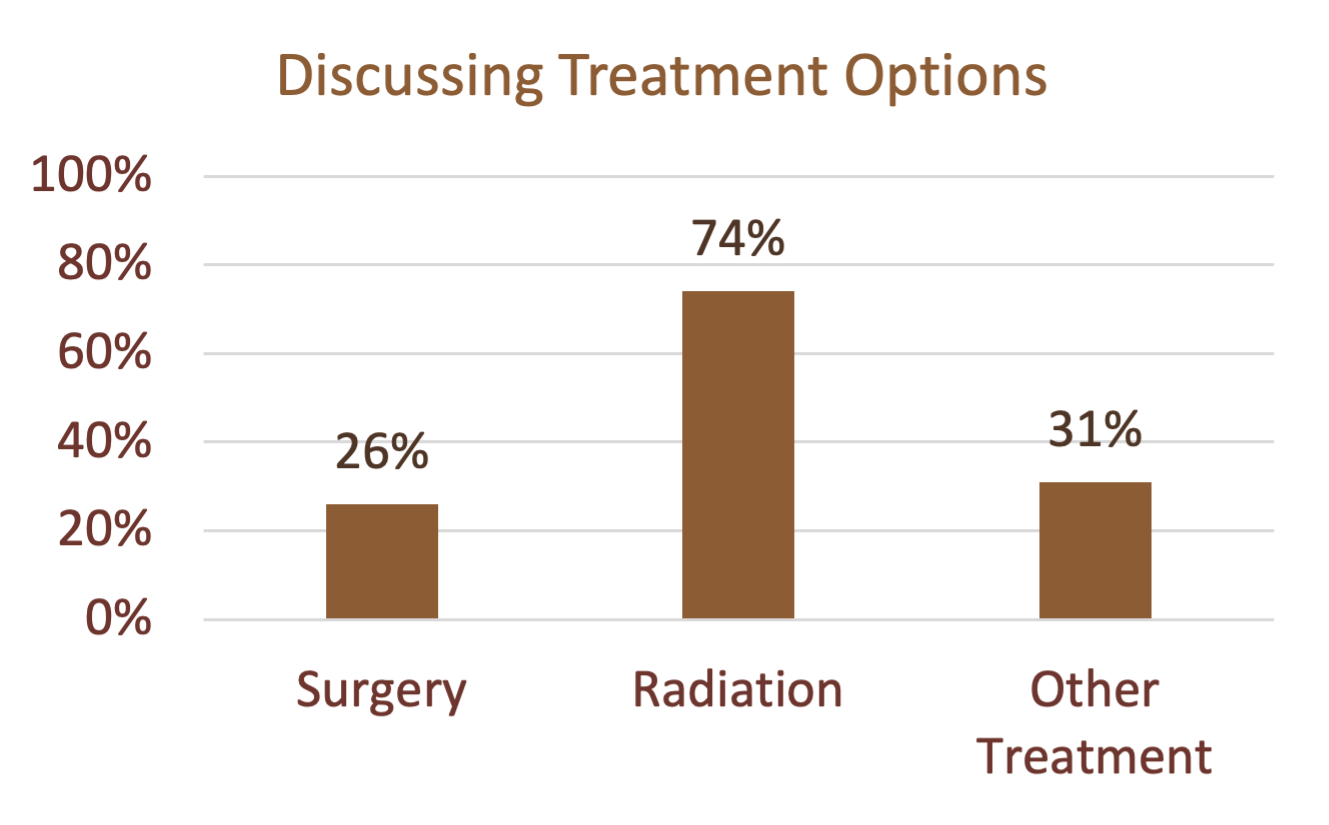
Fully informed consent depends, in part, on whether patients understand the treatment options available to them. This survey asked respondents whether other treatment options were discussed before they received care.
The results help show how often respondents reported that treatment choice was part of the pre-treatment conversation.
What This Chart Shows
The survey asked respondents whether other treatment options were discussed before treatment. This question helps evaluate whether respondents felt they had a clear understanding of available treatment options before receiving care.
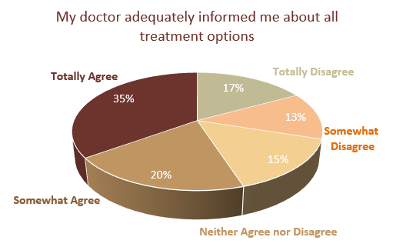
Were Possible Side Effects Discussed Before Treatment?
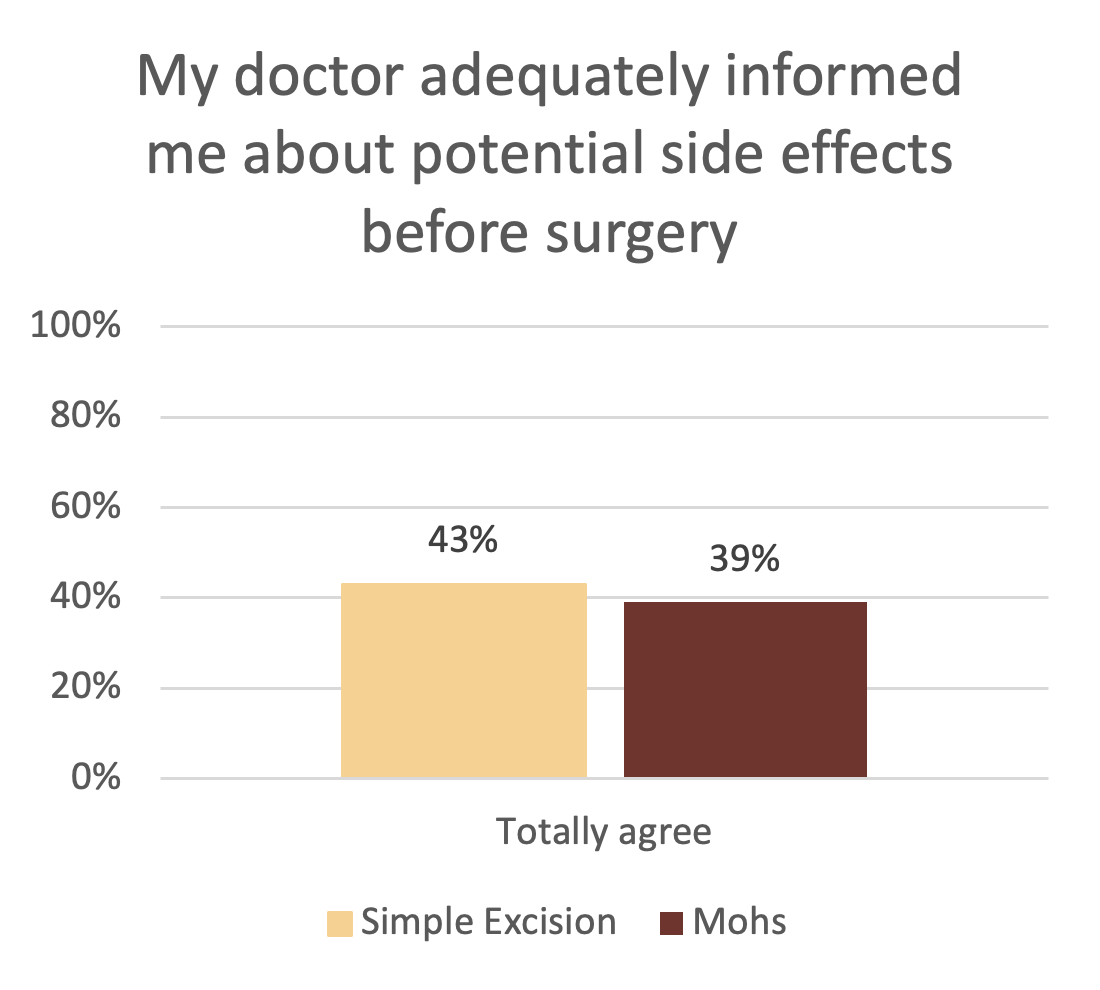
The survey also asked whether respondents remembered discussing possible side effects before treatment. This is important because patients may experience side effects that affect comfort, appearance, recovery, or daily life.
What This Chart Shows
The survey asked respondents whether possible side effects were discussed before treatment. This helps show whether respondents felt prepared for the side effects they later experienced.
Reported Fully Informed Consent Varied by Treatment Type
For this survey, fully informed consent was defined as a patient reporting that both applicable treatment options and possible side effects were discussed before treatment.
The survey found differences in reported fully informed consent across treatment types. Respondents treated with IGSRT reported higher rates of fully informed consent than respondents treated with Mohs surgery.
What This Chart Shows
In this survey, fully informed consent meant that respondents reported discussing both available treatment options and possible side effects before treatment. Respondents treated with IGSRT reported higher rates of fully informed consent than respondents treated with Mohs surgery.
Patient Satisfaction Was Measured by Treatment Decision and Recommendation
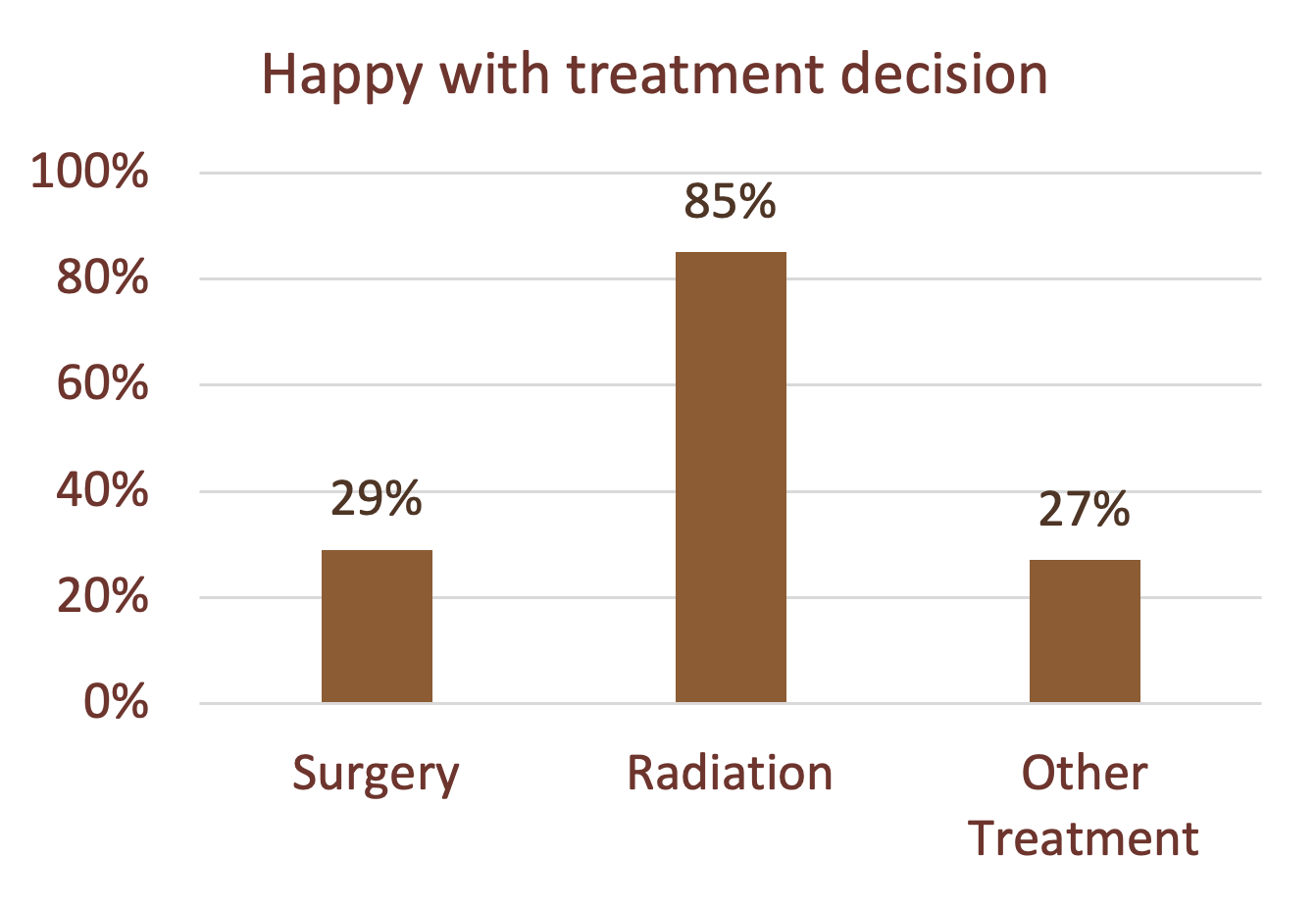
The survey asked respondents whether they were happy with their treatment decision and whether they would recommend the treatment they received to others. These two questions were used to evaluate patient satisfaction.
Survey results showed differences in satisfaction across treatment types, based on how respondents answered these questions.
What This Chart Shows
The Fully Informed Consent Survey measured patient satisfaction by asking whether respondents were happy with their treatment decision and whether they would recommend the treatment to others. Satisfaction varied across treatment types.
Respondents Were Asked Whether They Were Happy With Their Treatment Results
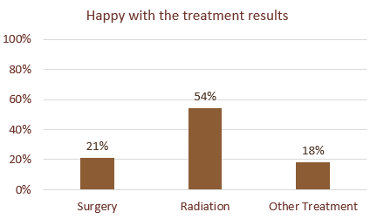
In addition to treatment decision and recommendation, the survey asked respondents whether they were happy with the results of their treatment. This adds another layer of insight into how respondents evaluated their treatment experience after care.
What This Chart Shows
The survey asked respondents whether they were happy with their treatment results. Reported satisfaction with treatment results differed across treatment types.
Survey Methodology and Limitations
The Fully Informed Consent Survey was developed and administered through SurveyMonkey. The survey was promoted through email lists, social media, and links on GentleCure.com.
Because GentleCure.com attracts people who may be actively researching alternatives to Mohs surgery, the survey population may not fully represent all people diagnosed with nonmelanoma skin cancer. The findings should be interpreted as survey-based insights from respondents who chose to participate.
Download the Fully Informed Consent Survey Results
Download the full Fully Informed Consent Survey Results to review the complete findings, charts, methodology, limitations, and supporting survey context.
Explore More GentleCure Survey Results
Everyone Deserves a Surgery-Free Treatment Option
Participate in change. Do not let radiation oncologists limit your treatment options to protect their income. Sign a FREE petition to tell Medicare and health insurers that you expect them to CONTINUE COVERING an FDA-cleared, less invasive treatment option.
Learn More About Your Treatment Options
If you have been diagnosed with basal cell carcinoma or squamous cell carcinoma, it is important to talk with your dermatologist about your treatment options, possible side effects, and what matters most to you.
GentleCure IGSRT is a surgery-free treatment option for common nonmelanoma skin cancers.