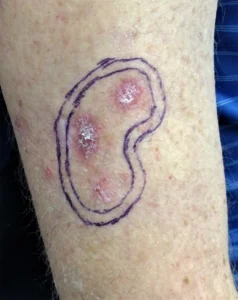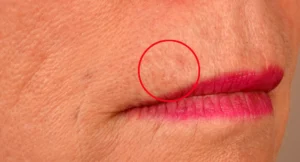

Some medications can make your skin more sensitive to sunlight. This is called photosensitivity, and it can lead to faster sunburns, stronger reactions, and more cumulative UV damage over time.
This does not mean you need to stop any medication or panic about being outside. It means you should know what to look for, how to reduce exposure in realistic ways, and when it makes sense to talk to your doctor or dermatologist.
What photosensitivity means
Photosensitivity is an increased skin reaction to ultraviolet (UV) light. Depending on the person and the medication, it can show up as:
- Sunburn that happens faster than usual
- Redness, rash, or itching after short sun exposure
- Stinging or irritation in sun exposed areas
- Darkening or uneven pigment after sun exposure
Some people notice this most on the face, neck, chest, forearms, and hands because these areas are often exposed during daily routines.
Do photosensitizing medications increase skin cancer risk?
UV exposure is a key risk factor for skin cancer. Medications that increase sun sensitivity can indirectly raise concern because they can lead to more UV damage if your routine stays the same.
A practical way to frame it is this:
- If you burn more easily or react more strongly, you may need a stronger daily protection habit to reduce long-term sun damage.
Common medication categories that can increase sun sensitivity
This is not a complete list, and medication effects vary by dose and individual. The right move is always to check your medication label or ask your pharmacist or prescribing clinician.
That said, categories that are commonly associated with photosensitivity include:
- Certain antibiotics, especially some used for acne or infections
- Some diuretics and blood pressure medications
- Certain anti inflammatory medications
- Some acne and skin treatments, including topical or oral prescriptions that increase skin turnover
- Some antidepressants and other psychiatric medications
- Certain heart rhythm medications
If you are unsure, a pharmacist can usually tell you quickly whether your prescription includes a sun sensitivity warning.
What to do if you think your medication is making you sun sensitive
Step 1: Confirm the risk
Check:
- The pharmacy label and medication guide
- The official “sun sensitivity” warning language
- Guidance from your pharmacist
Step 2: Adjust exposure, not your medication
Do not stop a medication without medical guidance. Instead, focus on practical exposure reduction and protection habits.
Step 3: Pay attention to your skin’s signals
If your skin reaction is stronger than expected or you are developing persistent changes, it is worth discussing with a clinician.
Practical sun protection that fits real life
If you are photosensitive, the goal is not perfection. The goal is consistency in the situations where you actually get exposure.
1) Use sunscreen daily on exposed areas
A broad spectrum sunscreen on face, neck, ears, hands, and forearms is often the simplest baseline. If you are deciding between options, see types of sunscreen.
2) Pair sunscreen with physical protection
Sunscreen helps, but clothing and shade do a lot of heavy lifting for photosensitive skin:
- Long sleeves and lightweight layers
- Hats and sunglasses
- Shade planning for outdoor errands
3) Use the UV Index to plan your day
Photosensitivity is often hardest when UV is high and you are out during peak hours. A quick check in the current UV index can help you choose better timing for walks, errands, and outdoor workouts.
4) Keep routines seasonal, not extreme
In warmer months, sun exposure often increases because of outdoor time and travel. A routine mindset is essential to prevent skin cancer.
In winter, UV can still matter, especially at altitude or on bright days.
When to see a dermatologist
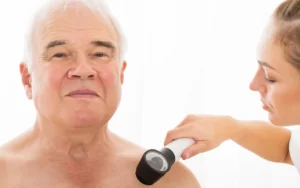
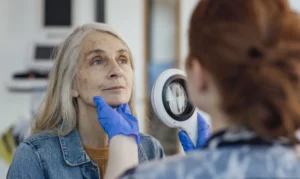
If your medication has increased your sun sensitivity, it can be smart to be more proactive about skin checks, especially if you also have other risk factors (past skin cancer, extensive sun exposure, tanning bed history, or a weakened immune system).
If you notice a new or changing spot
Photosensitivity can make skin more reactive, but not every change is dangerous. The action signal is still the same: persistence and change over time.
Frequently asked questions
No. Do not stop a medication without guidance from your prescribing clinician. Instead, confirm the warning and adjust your sun protection plan.
Sunscreen helps, but photosensitive skin usually does best with a combination of sunscreen, clothing, and avoiding exposure when UV levels are highest.
If the timing lines up with starting a medication and the reaction happens mainly after sun exposure, photosensitivity is possible. A pharmacist or clinician can help confirm.
Not automatically, but it can be a good reason to be more proactive if you have other risk factors or notice any persistent changes.
Key takeaways
Some medications can make your skin more sensitive to UV exposure. The best response is not fear or stopping medication. It is building a simple, consistent protection routine, using UV context to plan exposure, and getting a skin exam when something changes or does not heal.