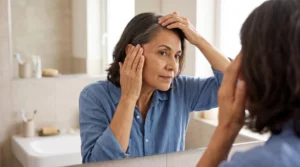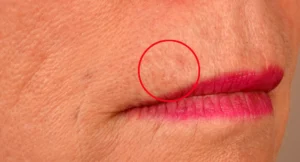
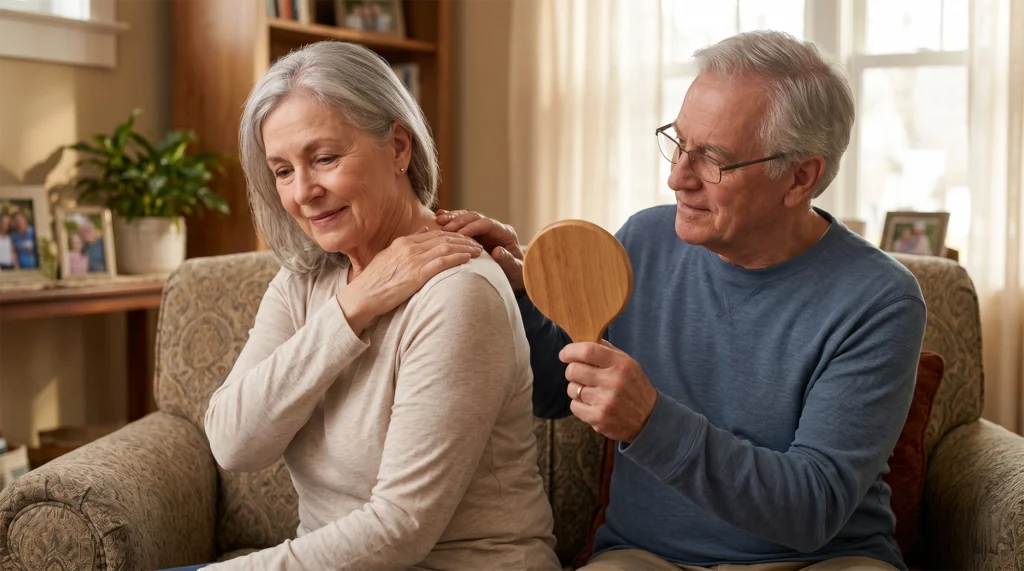
It is often not the patient who first notices a concerning skin change, but someone close to them. A partner, family member, or friend may be the one who spots a new lesion or recognizes that something looks different.
Encouraging a loved one to get a skin check can feel delicate. You want to help them take action without creating unnecessary worry. When approached thoughtfully, your support can play an important role in early detection, which is one of the most important factors in successful treatment.
Why People Delay Getting a Skin Check
It is common for people to postpone or avoid having a suspicious spot evaluated. This hesitation is usually not about ignoring the issue, but about uncertainty, fear, or misunderstanding.
Several factors often contribute to this delay:
- Assuming the spot is harmless or temporary
- Feeling anxious about a possible diagnosis
- Not noticing gradual changes over time
- Believing it is not urgent because it does not hurt
- Not knowing what to expect from a dermatology visit
Understanding these concerns helps you approach the conversation with empathy rather than urgency.
How to Start the Conversation
Bringing up a skin concern can feel uncomfortable, especially if you are unsure how the other person will respond. A calm, supportive tone is usually more effective than urgency or pressure.
Instead of focusing on worst-case scenarios, it helps to frame the conversation around care and prevention. For example, pointing out that something looks different and suggesting a quick check can make the conversation feel more manageable.
You might say something like:
“I noticed that spot looks a little different. It might be worth having it checked, just to be safe.”
This approach keeps the focus on awareness and next steps, rather than fear.
What Signs You Should Pay Attention To
If you are encouraging someone to get checked, it is helpful to understand which changes may be more concerning.
Common warning signs include:
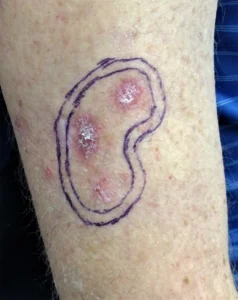
- A spot that changes in size, shape, or color
- A lesion that does not heal
- Bleeding, scabbing, or recurring irritation
- A spot that looks noticeably different from others
Being familiar with the early signs of skin cancer can help you recognize when it is appropriate to suggest a medical evaluation.
How to Support Without Creating Anxiety
Supporting someone through this process involves finding the right balance. While it is important to encourage action, it is equally important to avoid creating unnecessary stress.
A helpful approach includes:
- Staying calm and focused on practical next steps
- Avoiding alarming or overly urgent language
- Emphasizing that many skin concerns are manageable
- Encouraging a simple check rather than assuming a diagnosis
In practice, reassurance and clarity are often more effective than pressure.

Helping Them Take the Next Step
Even when someone agrees that a spot should be checked, taking the next step can still feel like a barrier. Offering practical support can make a meaningful difference.
You can help by:
- Assisting with scheduling an appointment
- Offering to attend the visit for support
- Helping track changes with photos
- Suggesting they write down questions in advance
These small actions can reduce friction and make the process feel more manageable. Reviewing a pre-appointment checklist or a Doctor Discussion Guide may also help them prepare questions before the visit.
What to Expect at a Skin Check Appointment
Uncertainty about the appointment itself can be a reason for hesitation. Knowing what typically happens can make the experience feel more approachable.
A dermatology visit usually includes:
- A visual examination of the skin
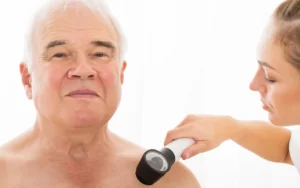
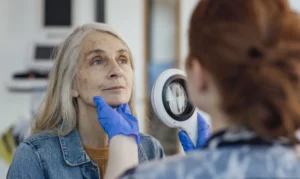
- Use of a dermatoscope or similar tool for closer inspection
- Discussion of any changes or symptoms
- A biopsy if the provider determines it is necessary
Understanding how skin cancer is detected helps set realistic expectations and reduce uncertainty. Learning more about what to expect during a full-body skin cancer screening can also make the appointment feel more manageable.
Why Early Detection Matters for Your Loved One
Encouraging someone to seek evaluation early can have a meaningful impact. When skin cancer is identified at an early stage, it is generally easier to treat and less likely to require more complex procedures.
Early detection is associated with:
- More treatment options
- Less invasive care
- Better overall outcomes
This is why taking action sooner rather than later is so important.
Understanding Treatment Options
If a diagnosis is confirmed, treatment will depend on the type, size, and location of the cancer. Not all cases are treated in the same way.
Some involve surgical procedures, while others may be appropriate for non-surgical approaches. In certain situations, dermatologists may recommend Image-Guided Superficial Radiation Therapy (IGSRT), a surgery-free option that targets cancer cells while preserving healthy tissue.
GentleCure utilizes IGSRT as part of this treatment approach. Exploring skin cancer treatment methods can help you better understand how care is tailored to each individual.
How to Stay Supportive After the Appointment
Support does not end after the initial visit. Continuing to be involved can help your loved one feel more confident and supported throughout the process.
You can continue to help by:
- Attending follow-up appointments if appropriate
- Helping track skin changes over time
- Encouraging regular skin checks
- Supporting treatment decisions if needed
Ongoing support can make a meaningful difference in both the emotional and practical aspects of care. Reading more about patient perspectives may also help you better understand the experience from the patient’s point of view.
Frequently Asked Questions About Helping Someone Get Checked
Focus on care and prevention. Keep the conversation calm, supportive, and practical.
Give them time, avoid pressure, and revisit the conversation if needed.
Yes, especially when done respectfully and without alarm.
Encourage evaluation while keeping the tone supportive and non-urgent. Reviewing what skin cancer looks like can help provide additional context.
Yes, early detection is one of the most important factors in effective treatment.
If your loved one is ready to take the next step, you can help them find a location where GentleCure is available or contact GentleCure to speak with a Skin Cancer Information Specialist. You can also call (855) 936-4411 for more information about skin cancer treatment options.