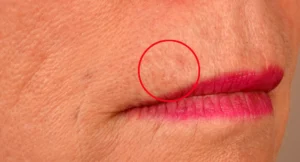

Skin cancer is the most common form of cancer, yet it is frequently misunderstood or underestimated. Many people associate cancer with severe or immediately noticeable symptoms, which can make early-stage skin cancer seem less urgent or concerning.
In reality, its high prevalence is closely tied to everyday exposure to ultraviolet radiation and the way skin damage develops over time. Because this damage builds gradually and often without obvious warning signs, it is easy to overlook until visible changes appear.
Understanding why skin cancer is so common, and why it is often dismissed in its early stages, can help shift how you approach prevention and early detection.
Why Skin Cancer Is So Common
One of the primary reasons skin cancer is so widespread is the amount of ultraviolet (UV) radiation people are exposed to throughout their lives. Unlike other risk factors, UV exposure is not limited to specific environments or behaviors. It is part of daily life.
Activities such as walking outdoors, driving during daylight hours, or sitting near windows all contribute to repeated exposure. While these moments may seem insignificant on their own, they accumulate over time and can lead to measurable skin damage.
This is important because UV radiation can damage the DNA within skin cells. As this damage builds, it increases the likelihood of abnormal cell growth. Exploring how UV radiation affects the skin helps clarify why even routine exposure plays a meaningful role.
The Role of Cumulative Damage
A key reason skin cancer is so common is that the underlying damage develops gradually. Unlike an injury that produces immediate symptoms, UV-related damage often goes unnoticed for years.
Over time, this means:
- Exposure during childhood and early adulthood can influence risk later in life
- Daily habits contribute more than occasional intense exposure
- Damage may exist long before visible changes appear
This delayed visibility is one of the main reasons people underestimate their risk. By the time a spot becomes noticeable, the damage may have been developing for a long period.
Skin Cancer Affects More People Than Expected
Skin cancer does not affect only a narrow group of individuals. While certain factors can increase risk, it can develop across a wide range of people.
It is seen in individuals with different:
- Skin tones
- Lifestyles and occupations
- Levels of sun exposure
- Age groups
This broad impact contributes to its status as the most common cancer. To better understand why, it helps to look at how skin cancer develops over time and how multiple factors contribute to its formation.
Why Skin Cancer Is Often Underestimated
Despite its prevalence, skin cancer is often perceived as less serious than other forms of cancer. One reason is that early-stage skin cancer is typically painless and may resemble minor skin issues.
A small spot or subtle change may not seem urgent, especially if it does not interfere with daily life. As a result, people may delay seeking evaluation.
There is also a common assumption that limited sun exposure or certain skin types eliminate risk. In practice, risk varies, but no group is completely unaffected.
Common Misconceptions That Delay Action
Misconceptions about skin cancer can lead to delayed detection. Many people expect cancer to present with clear or severe symptoms, which is not always the case.
Some of the most common misunderstandings include:
- “It’s just a small spot, so it’s probably nothing”
- “I don’t spend enough time in the sun for this to be a concern”
- “If it doesn’t hurt, it’s not serious”
- “It will go away on its own”
In reality, early-stage skin cancer often presents subtly. Being familiar with the early signs of skin cancer can help people recognize when something should be evaluated.
Why Early Detection Matters
Early detection is one of the most important factors in successful skin cancer treatment. When identified early, skin cancer is more likely to be localized and easier to manage.
This typically leads to:
- More treatment options, including less invasive approaches
- Lower likelihood of progression
- Better overall outcomes
Dermatology guidelines consistently emphasize the importance of identifying skin cancer at an early stage, before it has the opportunity to grow or spread.
Prevention Habits That Make a Difference
Although not all cases of skin cancer can be prevented, consistent protective habits can significantly reduce risk over time.
Effective strategies include:
- Applying sunscreen regularly, even during routine activities
- Wearing protective clothing and hats
- Seeking shade during peak sunlight hours (10 a.m. to 4 p.m.)
- Limiting prolonged UV exposure
- Monitoring your skin for changes
These habits are most effective when practiced consistently. Over time, they help reduce cumulative exposure and support long-term skin health. Learning more about skin cancer prevention can help reinforce why consistent protection matters.
When to Get a Suspicious Spot Checked
Changes in the skin should not be ignored, even if they seem minor. A spot that behaves differently than expected may need evaluation.
You should consider seeing a dermatologist if:
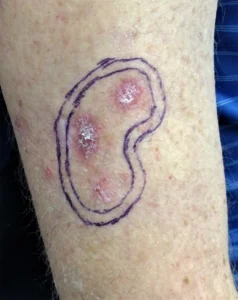
- A spot changes in size, shape, or color
- A lesion does not heal
- There is bleeding, scabbing, or recurring irritation
- A spot looks different from others
Prompt evaluation helps ensure that any concerns are addressed early. Reviewing what skin cancer looks like can also help people better recognize changes that may need attention.
How Skin Cancer Is Treated When Found Early
When skin cancer is detected early, it is often highly treatable. Treatment depends on the type, size, and location of the cancer.
Some cases are treated with surgical removal, while others may be appropriate for non-surgical approaches. In certain situations, dermatologists may recommend Image-Guided Superficial Radiation Therapy (IGSRT), a surgery-free treatment designed to target cancer cells while preserving surrounding healthy tissue.
GentleCure utilizes IGSRT as part of this treatment approach. Reviewing different skin cancer treatment methods can help provide a clearer understanding of available options.
Frequently Asked Questions About Skin Cancer
It is largely due to cumulative UV exposure over time, which damages skin cells and increases risk.
Many cases are highly treatable when detected early, but it can become more serious if it progresses.
While not all cases can be prevented, reducing UV exposure and monitoring your skin can lower risk.
Anyone can develop skin cancer, although risk levels vary based on exposure, skin type, and other factors. Understanding the risk factors for skin cancer can help provide additional context.
Because early symptoms are often subtle and painless, they are easy to overlook.
If you are concerned about a new or changing skin spot, GentleCure can help you understand your next steps. You can find a location where GentleCure is available, contact GentleCure to speak with a Skin Cancer Information Specialist, or call (855) 936-4411 for more information about skin cancer treatment options.