If a dermatologist identifies a suspicious spot on your skin, a biopsy may be recommended to determine whether it is skin cancer. While the idea of a biopsy can feel uncertain, it is a routine and essential step in reaching an accurate diagnosis.
A skin biopsy provides the clarity needed to confirm whether cancer is present and, if so, what type. Understanding how the process works, what to expect, and how results are handled can make the experience feel more straightforward and less intimidating.
What is a Skin Biopsy?
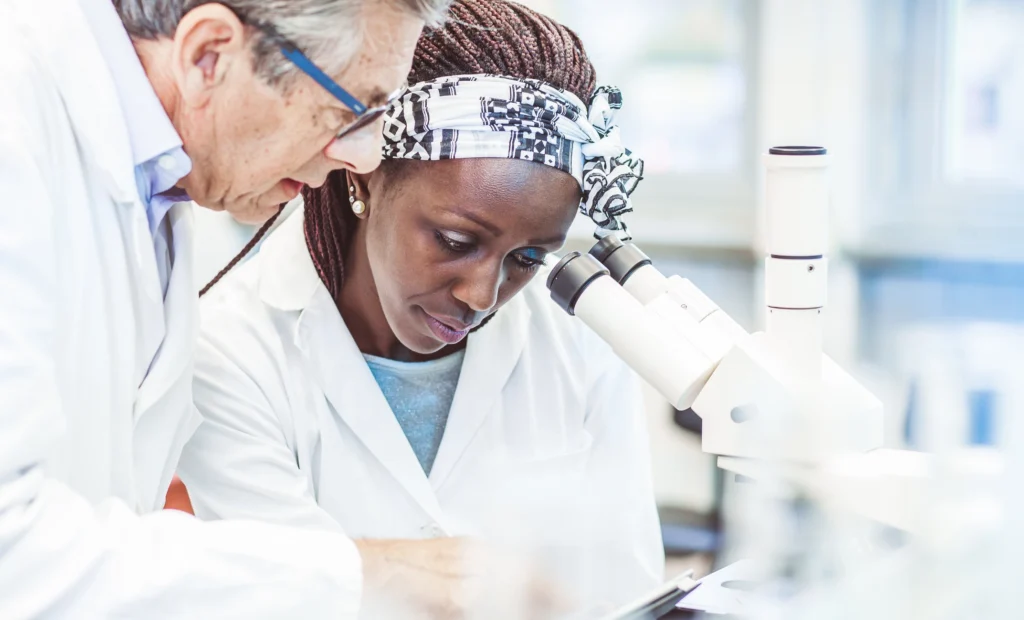
A skin biopsy is a procedure in which a small sample of skin is removed and examined under a microscope. This allows specialists to identify abnormal or cancerous cells with a high level of accuracy.
While visual examinations can identify suspicious features, a biopsy is considered the most reliable way to confirm a diagnosis. It provides detailed information that helps guide next steps in care.
When is a Skin Biopsy Needed?
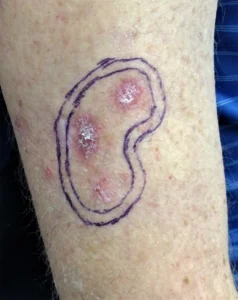
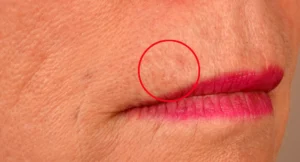
A dermatologist may recommend a biopsy when a spot shows characteristics that are not typical or when it changes over time.
Common reasons include:
- A spot that changes in size, shape, or color
- A lesion that does not heal
- Bleeding, scabbing, or recurring irritation
- A spot that looks different from others
Recognizing the early signs of skin cancer can help explain why a biopsy is sometimes necessary and why it is important not to delay evaluation.
Types of Skin Biopsies
There are several types of biopsies, and the method used depends on the size, depth, and location of the lesion.
Common biopsy types
| Type | Description |
|---|---|
| Shave biopsy | Removes the top layers of skin for superficial analysis |
| Punch biopsy | Removes a deeper, circular section including multiple layers |
| Excisional biopsy | Removes the entire lesion for complete evaluation |
Your dermatologist will choose the most appropriate approach based on what needs to be examined.
What Happens During the Procedure
A skin biopsy is typically performed in a dermatologist’s office and usually takes only a short amount of time. The process is straightforward and designed to be as comfortable as possible.
In most cases, the procedure follows these steps:
- The area is cleaned and prepared
- A local anesthetic is applied to numb the skin
- The sample is removed using the selected technique
- The area may be closed with stitches, depending on the depth
- A bandage is applied and aftercare instructions are provided
Although the idea of a biopsy may feel concerning, it is a commonly performed procedure. If you are preparing for an evaluation, reviewing how to prepare for a dermatology appointment can help you feel more confident before the visit.
Does a Skin Biopsy Hurt?
Because a local anesthetic is used, you should not feel pain during the biopsy itself. You may notice slight pressure or movement, but not sharp discomfort.
After the procedure, it is normal to experience mild soreness or tenderness at the site. This typically improves within a few days and can be managed with basic aftercare.
How Long Does It Take to Get Results?
Biopsy results are usually available within several days to two weeks, depending on the laboratory and the complexity of the analysis.
The timeline generally includes:
- Processing the tissue sample in a laboratory
- Microscopic evaluation by a specialist
- Communication of results by your dermatologist
Once results are available, your provider will review them with you and explain any next steps.
What Happens After a Skin Biopsy?
After the biopsy, proper care of the site is important to support healing and reduce the risk of complications.
Typical aftercare involves:
- Keeping the area clean and covered
- Avoiding unnecessary irritation
- Monitoring for signs of infection
- Returning for stitch removal if needed
Healing time will vary depending on the type of biopsy and the size of the area treated.
What If the Biopsy Confirms Skin Cancer?
If a biopsy confirms skin cancer, the next step is to determine the most appropriate treatment plan. This will depend on several factors, including the type of cancer and its location.
Key considerations include:
- The type of skin cancer
- The size and depth of the lesion
- Whether the cancer has spread
Reviewing available skin cancer treatment methods can help you better understand how these factors influence treatment decisions.
Treatment Options After Diagnosis
Treatment approaches vary depending on the specific case. Some involve surgical removal, while others may use non-surgical methods.
In certain situations, dermatologists may recommend Image-Guided Superficial Radiation Therapy (IGSRT), a surgery-free treatment designed to target cancer cells while preserving surrounding healthy tissue.
GentleCure utilizes IGSRT as part of this treatment approach. This option may be considered depending on the diagnosis and patient needs.
Why a Biopsy Is an Important Step
Although it may feel like a significant step, a biopsy plays a critical role in the diagnostic process. It provides the information needed to move forward with confidence.
A biopsy helps:
- Confirm whether cancer is present
- Identify the specific type of skin cancer
- Guide the most appropriate treatment plan
- Support early and accurate intervention
Accurate diagnosis is essential for effective care.
When Should You Follow Up?
After a biopsy, it is important to stay engaged with your care and follow your provider’s recommendations.
Follow-up may include:
- Reviewing results with your dermatologist
- Scheduling treatment if needed
- Monitoring your skin for future changes
- Continuing regular skin checks
Understanding how skin cancer is detected can help reinforce the importance of ongoing awareness.
Frequently Asked Questions About Skin Biopsies
Most biopsies take only a few minutes and are performed in a dermatologist’s office.
Yes, it is a common and low-risk procedure when performed by a qualified professional.
Some biopsies may leave a small scar, depending on the type and size of the procedure.
According to the American Academy of Dermatology (AAD), for conditions like skin cancer, a biopsy is often the only way to get an accurate diagnosis and is considered the best way to confirm whether a suspicious spot is cancerous. This is because the tissue can be examined directly under a microscope.
Follow aftercare instructions and stay in contact with your provider if you have concerns.
If you are waiting on biopsy results or preparing for the next step after a skin cancer diagnosis, GentleCure can help you understand your treatment options. You can find a location where GentleCure is available, contact GentleCure to speak with a Skin Cancer Information Specialist, or call (855) 936-4411 for more information.