GentleCure Blog

Welcome to the GentleCure Skin Cancer Blog

Thank you for visiting our blog. If you’re looking for information on skin cancer types, skin cancer statistics, general skin cancer facts, sun safety tips, and more information you can trust, you’ve come to the right place. At GentleCure, we are on a mission to empower those with nonmelanoma skin cancer to be educated, active participants in their treatment decisions. Providing you with a breadth of knowledge about skin cancer and its treatment is just one way we can achieve that goal. Learn more below about the types of posts you can expect to find on our blog, then find out how to get in touch with us if you would like to talk with a Skin Cancer Information Specialist.

What topics are covered in our blog?

GentleCure® blog posts will cover everything from basic skin cancer facts and skin cancer statistics to more specific information regarding nonmelanoma skin cancers like basal cell skin cancer and squamous cell skin cancer. You will find answers you can trust to questions like:

  • What is nonmelanoma skin cancer?
  • What are the symptoms of basal cell skin cancer and squamous cell skin cancer?
  • What causes basal and squamous cell skin cancers?
  • Are basal and squamous cell skin cancers deadly? What are their survival rates?
  • How are basal and squamous cell skin cancers treated?

In addition to skin cancer facts and statistics, anyone considering Image-Guided Superficial Radiotherapy (IGSRT) as a surgery-free option for treating their nonmelanoma skin cancer can find helpful information about:

  • How IGSRT works
  • What to expect during treatment with IGSRT
  • How IGSRT compares to Mohs surgery
  • Much more

While past experiences with skin cancer treatment may have left you feeling in the dark and unsure of your options, GentleCure is proud to offer a refreshing approach to nonmelanoma skin cancer treatment by providing in-depth answers to all your questions.

Latest Posts

  • Inside of tanning bed

    10 FAQs About Tanning Beds 

    When it comes to tanning beds, there’s a lot of misinformation being spread. A lot of this misinformation comes from tanning salons and avid tanners who believe (or want you to believe) that tanning has health benefits. How do you differentiate tanning bed myths from facts? The truth about tanning beds comes down to this:…Read More

  • A woman doctor talking to a patient

    Questions to Consider After Your Skin Cancer Treatments

    It’s not uncommon to feel a sense of uncertainty, even after you’ve completed skin cancer treatment. Throughout your treatment journey, be sure to communicate openly with your dermatologist or derma-oncologist. After treatment, you may have some questions about recurrence, precautions you should take, and more. Coming up with questions off the top of your head…Read More

  • How to Tell the Difference Between a Mole and Skin Cancer

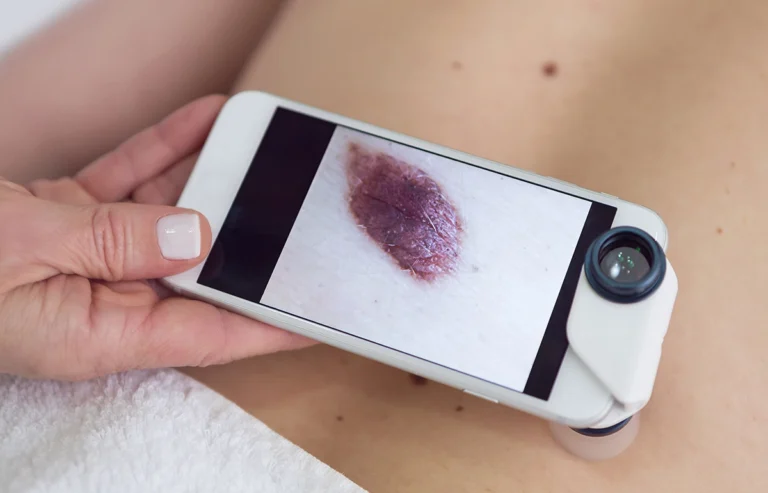
    Having a large number of moles is a risk factor for developing skin cancer. Unfortunately, it’s not always easy discerning a common mole from skin cancer. Noticing a bump on your face that isn’t acne or an oddly shaped mark on your skin that seemed to appear out of nowhere might leave you feeling concerned….Read More

  • Umbrellas protecting from the sun

    Summer Sun Safety Tips

    Being summer sun smart doesn’t necessarily mean you have to stay indoors while everyone else is having fun; it means following important safety tips to protect your skin and overall health, while also enjoying your favorite summer activities. GentleCure has a few must-know sun safety tips that’ll help reduce your risk of developing skin cancer…Read More

  • What is the Most Common Cause of Basal Cell Skin Cancer?

    First, let’s answer the question, “What is basal cell skin cancer?” Basal cell skin cancer is the most common form of skin cancer. It also occurs more frequently than any other type of cancer. In fact, around 3.6 million cases are diagnosed each year in the United States alone. Basal cell skin cancer is caused…Read More

  • Skin cancer marked on patient's forehead.

    What Are the Beginning Signs of Skin Cancer?

    Skin cancer often develops on areas of the skin where it is easily detectable, making it easier to diagnose early on than other types of cancer. The earlier a cancerous skin spot is detected, the sooner you can treat it and the higher your chances are of curing it. What are the warning signs of…Read More

  • Dr consulting with a male and female patient.

    What to Expect from a Dermatology Visit & Questions to Ask About IG-SRT for Skin Cancer

    If you’ve never been to a dermatologist, or it’s been a long time since you’ve had a skin cancer exam, you may not know what to expect. What happens during a first-time dermatology appointment? What happens if a suspicious area is confirmed to be skin cancer? And, what questions should you ask about skin cancer…Read More

  • Home station with laptop and other electronics.

    How to Evaluate Skin Cancer Information Online

    After receiving a skin cancer diagnosis, many people with skin cancer turn to the web to learn more about their condition, skin cancer statistics, and the different treatments available to them. The internet is also a great place to learn more about other people’s experiences on various social media platforms. Whether you’re researching or connecting…Read More

  • What You Should Look for in a Derma-Oncologist

    Receiving a skin cancer diagnosis can be an emotionally harrowing experience. As a patient, you deserve a healthcare professional you can look to for answers, guidance, and treatment. Your derma-oncologist should be professional, experienced, and informative — but not forceful — when it comes to your treatment options. Their compassion, courtesy, and knowledge should help…Read More

  • Visual Side Effects of Image-Guided SRT

    Radiotherapy won’t make you glow (contrary to some misleading information), but there are some physical and visual side effects people with skin cancer should be aware of before pursuing it as a treatment option. Usually, the side effects are limited to the area where treatment was given. What are the visual side effects of superficial…Read More

  • Cosmetic close up view

    Can Cosmetics Cause Skin Cancer?

    First, let’s answer the question: What are cosmetics? According to the US Food and Drug Administration (FDA), cosmetics are legally defined as, “articles intended to be rubbed, poured, sprinkled, or sprayed on, introduced into, or otherwise applied to the human body… for cleansing, beautifying, promoting attractiveness, or altering the appearance.” This is a broad spectrum…Read More

  • What Does Skin Cancer Do?

    Even if you’re familiar with the risks and outcomes associated with skin cancer, you might still wonder, what does skin cancer do? Skin cancer is an abnormal growth of cells in the epidermis—the skin’s outer layer. It will eventually form malignant tumors, and may spread to other parts of the body if left untreated.  How…Read More

For more information on skin cancer treatment options, speak with a Skin Cancer Information Specialist today.