
When people think about sun exposure, they often focus on visible events like sunburn. However, one of the most important factors in skin health is something less noticeable: cumulative UV exposure.
Cumulative exposure refers to the total amount of ultraviolet (UV) radiation your skin absorbs over time. Unlike short-term exposure that may cause immediate redness or discomfort, this type of exposure builds gradually, often without obvious signs. Over months and years, it can lead to long-term skin damage and increase the risk of skin cancer.
Understanding how cumulative UV exposure works helps explain why daily habits matter just as much as occasional high exposure.
What Is Cumulative UV Exposure?
Cumulative UV exposure is the sum of all UV radiation your skin is exposed to throughout your life. It includes not only time spent outdoors intentionally, but also routine, everyday exposure.
This may include:
- Walking outside during daily activities
- Driving or sitting near windows
- Running errands during daylight hours
- Spending time outdoors for work or recreation
Each of these moments may seem minor, but together they create a steady pattern of exposure that adds up over time.
To understand why this matters, it is helpful to look at how UV radiation affects the skin and contributes to long-term damage.
How UV Radiation Damages the Skin
UV radiation affects the skin at a cellular level by damaging DNA. When skin cells are repeatedly exposed to UV rays, this damage can accumulate and interfere with normal cell function.
There are two primary types of UV radiation involved:
| Type | Impact on Skin |
|---|---|
| UVA | Penetrates deeper layers and contributes to long-term damage and premature aging |
| UVB | Affects the outer layers and is the primary cause of sunburn |
Both UVA and UVB rays contribute to skin cancer risk. While UVB is more commonly associated with immediate effects like sunburn, UVA plays a significant role in long-term cumulative damage.
Why Cumulative Exposure Is a Major Risk Factor
One of the key reasons cumulative UV exposure is so important is that its effects are not always immediately visible. Instead, damage builds slowly over time and may only become apparent years later.
This means:
- Daily exposure contributes more than many people realize
- Damage may occur even without sunburn
- Long-term exposure increases the likelihood of abnormal cell growth
Over time, this repeated damage can lead to changes in the skin that increase the risk of developing skin cancer. Reviewing how skin cancer develops over time helps connect this long-term exposure to potential outcomes.
Everyday Sources of UV Exposure
Many people associate UV exposure with outdoor activities like going to the beach or spending time in direct sunlight. However, a significant portion of exposure comes from routine activities.
Common sources include:
- Sunlight during everyday outdoor movement
- UV exposure through windows at home or in vehicles
- Outdoor work environments
- Recreational activities such as walking or gardening
Because these exposures are consistent and often unnoticed, they play a major role in cumulative damage.
Signs of Long-Term UV Damage
Cumulative UV exposure may not be obvious at first, but over time it can lead to visible changes in the skin. Some of these changes are cosmetic, while others may signal underlying damage.
Common signs include:
- Fine lines and wrinkles
- Uneven skin tone or dark spots
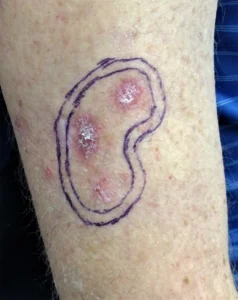
- Rough or scaly patches
- Persistent redness
- Changes in moles or skin texture
While not all of these signs indicate skin cancer, some may be early indicators of damage that should be evaluated. Being familiar with the early signs of skin cancer can help you identify when a change requires attention.
How Cumulative UV Exposure Leads to Skin Cancer
Repeated UV exposure can damage the DNA in skin cells. When this damage is not repaired, it can lead to mutations that cause cells to grow uncontrollably.
Over time, this process may result in different types of skin cancer, including:
- Basal cell skin cancer
- Squamous cell skin cancer
- Melanoma
Although not all skin cancers are caused by UV exposure, it remains one of the most significant and well-established risk factors.
How to Reduce Cumulative UV Exposure
Reducing cumulative UV exposure is one of the most effective ways to lower your risk. The key is consistency rather than occasional protection.
Effective strategies include:
- Applying sunscreen daily, even when not spending extended time outdoors
- Reapplying sunscreen during prolonged exposure
- Wearing protective clothing and accessories
- Seeking shade during peak sunlight hours
- Being mindful of sun exposure during routine activities
A broader look at skin cancer prevention strategies can help you build a more complete approach to protection.
Why Daily Habits Matter More Than Occasional Exposure
Many people focus on avoiding sunburn during vacations or outdoor events, but everyday exposure often has a greater impact over time.
Small, repeated exposures can:
- Accumulate gradually without noticeable effects
- Occur during routine activities
- Contribute significantly to long-term skin changes
In practice, consistent daily protection is one of the most effective ways to reduce overall risk.
When to Be More Cautious About UV Exposure
Certain conditions can increase UV exposure and may require additional protective measures.
Higher-risk situations include:
- Living in sunny or high-altitude regions
- Spending extended time outdoors
- Having fair or sun-sensitive skin
- A history of sunburns or prior skin damage
Being aware of these factors allows you to adjust your protection habits accordingly.
Frequently Asked Questions About UV Exposure
It refers to the total amount of UV radiation your skin is exposed to over time, including daily exposure.
Repeated daily exposure can contribute to long-term skin damage and increase risk over time.
Yes, UV rays can pass through clouds, so protection is still important.
Some visible signs of sun damage, such as uneven tone or texture, can be improved with proper skin care or dermatological treatments. However, the underlying cellular damage caused by UV exposure is not fully reversible, which is why prevention and early detection remain so important.
Consistent sun protection, including sunscreen and protective clothing, is key.
If you are concerned about long-term UV exposure or a new skin change, GentleCure can help you understand your next steps. You can find a location where GentleCure is available, contact GentleCure to speak with a Skin Cancer Information Specialist, or call (855) 936-4411 for more information about skin cancer treatment options.