GentleCure Blog

Welcome to the GentleCure Skin Cancer Blog

Thank you for visiting our blog. If you’re looking for information on skin cancer types, skin cancer statistics, general skin cancer facts, sun safety tips, and more information you can trust, you’ve come to the right place. At GentleCure, we are on a mission to empower those with nonmelanoma skin cancer to be educated, active participants in their treatment decisions. Providing you with a breadth of knowledge about skin cancer and its treatment is just one way we can achieve that goal. Learn more below about the types of posts you can expect to find on our blog, then find out how to get in touch with us if you would like to talk with a Skin Cancer Information Specialist.

What topics are covered in our blog?

GentleCure® blog posts will cover everything from basic skin cancer facts and skin cancer statistics to more specific information regarding nonmelanoma skin cancers like basal cell skin cancer and squamous cell skin cancer. You will find answers you can trust to questions like:

  • What is nonmelanoma skin cancer?
  • What are the symptoms of basal cell skin cancer and squamous cell skin cancer?
  • What causes basal and squamous cell skin cancers?
  • Are basal and squamous cell skin cancers deadly? What are their survival rates?
  • How are basal and squamous cell skin cancers treated?

In addition to skin cancer facts and statistics, anyone considering Image-Guided Superficial Radiotherapy (IGSRT) as a surgery-free option for treating their nonmelanoma skin cancer can find helpful information about:

  • How IGSRT works
  • What to expect during treatment with IGSRT
  • How IGSRT compares to Mohs surgery
  • Much more

While past experiences with skin cancer treatment may have left you feeling in the dark and unsure of your options, GentleCure is proud to offer a refreshing approach to nonmelanoma skin cancer treatment by providing in-depth answers to all your questions.

Latest Posts

  • GentleCure logo

    How Often Should You Get a Skin Cancer Screening?

    Regular skin exams can help find basal cell and squamous cell skin cancers early. Your skin cancer screening frequency depends on your risk level, personal and family history, and how much sun you get in daily life. Use this guide to plan screenings and know when to see a dermatologist sooner. Why skin cancer screening…Read More
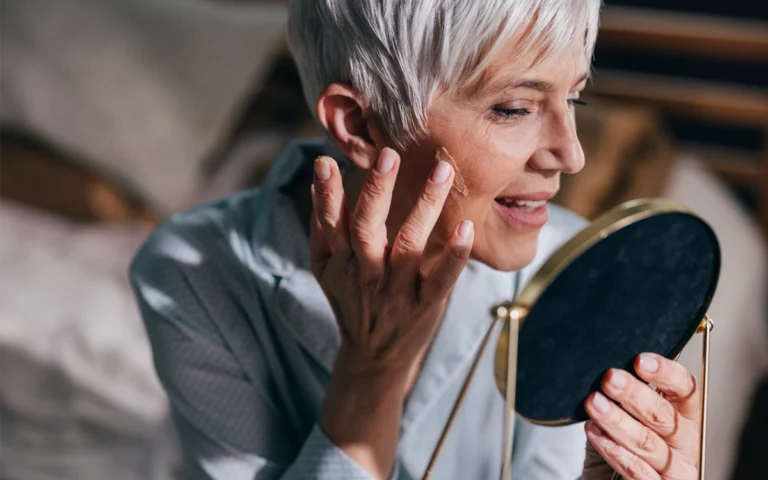
  • Older woman with short gray hair examining a small spot on her cheek while looking into a handheld mirror in a softly lit indoor setting.

    How to Choose Safe Makeup for Sun Protection

    Makeup can be part of your sun protection routine when you choose products formulated with SPF. Still, not every foundation or tinted moisturizer labeled “SPF” provides full coverage against harmful UV rays. This guide explains how to select safe makeup for sun protection, what to look for in ingredients, and how to combine SPF products…Read More

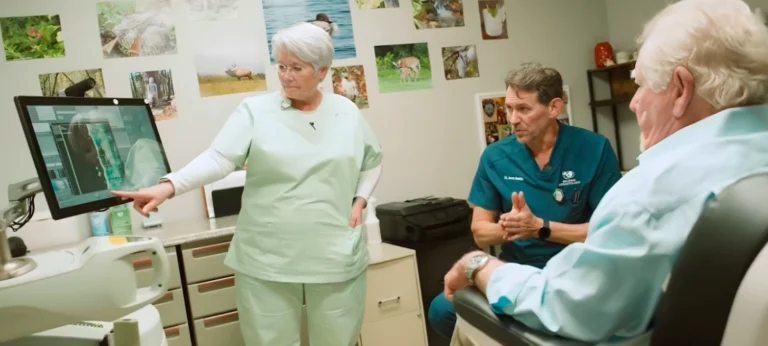
  • Medical consultation scene where a clinician points to imaging displayed on a monitor while discussing results with two colleagues and an older patient seated in an exam chair inside a clinical treatment room.

    IGSRT vs Other Skin Cancer Treatments

    If you have been diagnosed with basal cell or squamous cell skin cancer, you have options. Surgery is common, yet IGSRT gives many people a surgery-free way to treat cancer at the skin’s surface while protecting healthy tissue. You can learn more about how IGSRT works on our radiation treatment page. Below, compare IGSRT vs…Read More

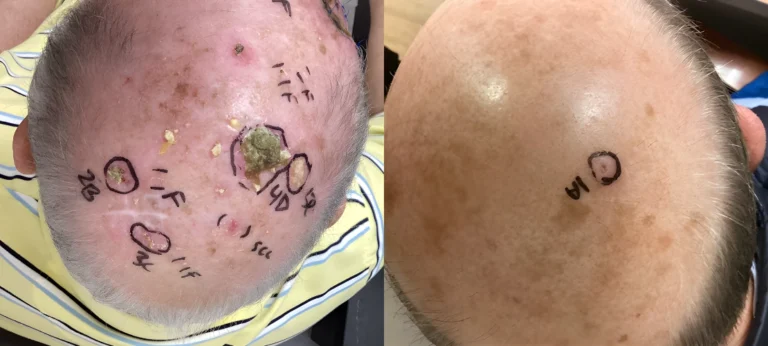
  • Before and after clinical photos of the top of a patient’s scalp showing multiple marked skin lesions prior to treatment on the left, including a larger central lesion, and a healed scalp on the right with clear skin and minimal visible markings after treatment.

    Early Signs of Skin Cancer on the Scalp

    The scalp is easy to overlook during skin checks, yet it receives strong sun exposure year-round. Catching changes early helps your care team confirm what a spot is and plan the right treatment. Below, see what the early signs of skin cancer on the scalp can look like, when to book an appointment, and gentle…Read More

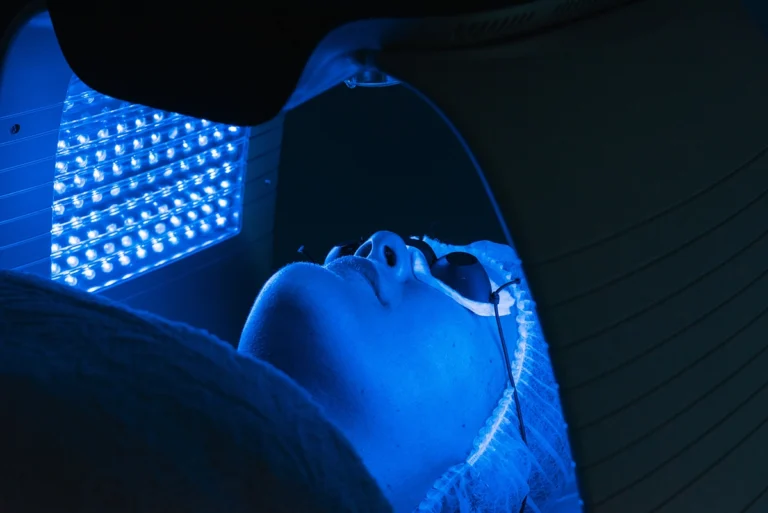
  • Patient undergoing blue light therapy (photodynamic therapy) for skin treatment, lying under a specialized lamp with protective eyewear.

    Blue Light Therapy for Skin Cancer

    What Is Blue Light Therapy? Blue light therapy, also called photodynamic therapy (PDT), is a non-surgical treatment used for certain skin conditions, including pre-cancerous lesions and early-stage skin cancers. It works by applying a light-sensitive medication to the skin, which is then activated by a specialized blue light. This process destroys abnormal or cancerous cells…Read More

  • Middle-aged woman looking out window with concern, gently touching her chest, representing awareness of possible skin changes.

    Can Skin Cancer Spread Without You Knowing?

    Hearing the words skin cancer often brings up an unsettling question: What if it spreads without me knowing? This is a very common fear among patients. The good news is that most types of skin cancer grow slowly and remain local for a long time before causing problems. Still, understanding how skin cancer behaves—and knowing…Read More

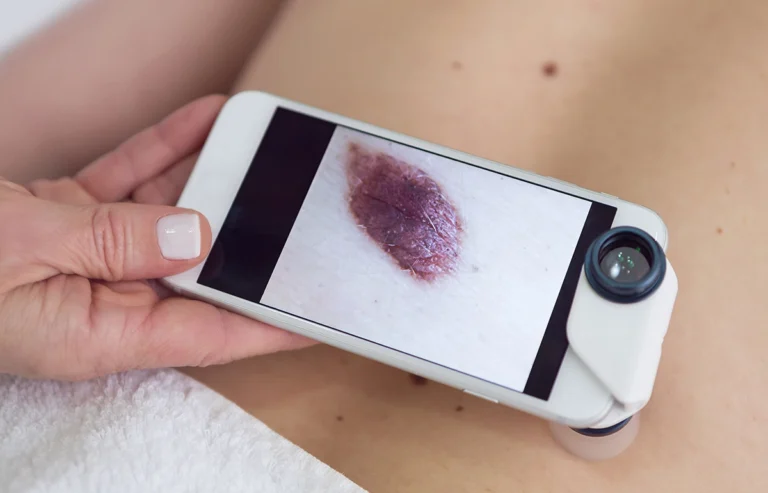
  • Person using smartphone to photograph and analyze a dark mole on skin for possible signs of skin cancer.

    Does Skin Cancer Always Start as a Mole?

    When people think of skin cancer, they often picture a suspicious mole. It’s true that melanoma, the deadliest form of skin cancer, can begin as a mole—or develop from an existing one. But the reality is that most skin cancers do not start as moles at all. The majority of cases are basal cell skin…Read More

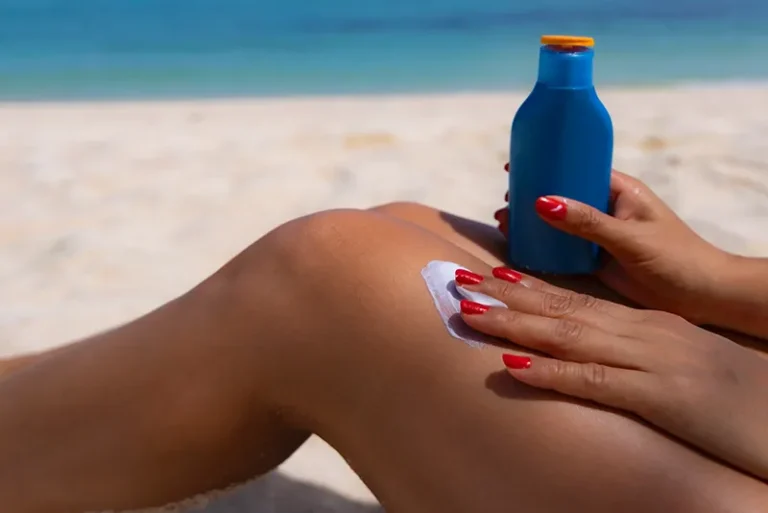
  • Close-up of a woman’s hands applying sunscreen to her knee with the ocean and sand in the background.

    7 Key Strategies to Prevent Skin Cancer on Your Legs

    Legs, especially during warm months, are frequently exposed to sunlight, making them a high-risk area for UV-induced skin damage and potential skin cancer. Simple proactive habits can dramatically lower this risk. Apply Sunscreen Generously to Legs Cover all parts of your legs with broad-spectrum SPF 30+ sunscreen, including thighs, calves, and behind the knees. Don’t…Read More

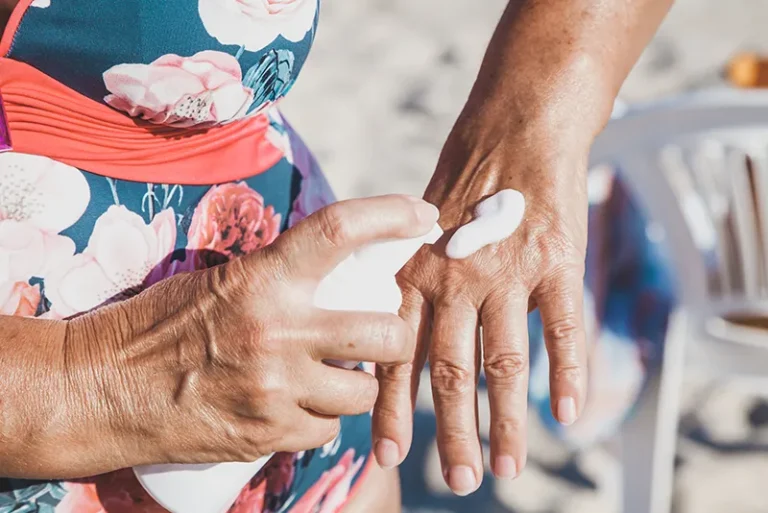
  • Close-up of a person applying sunscreen to the back of their hand while wearing a floral swimsuit at the beach.

    7 Practical Ways to Shield Your Hands from Skin Cancer

    Your hands are one of the most frequently exposed parts of your body—and often the most neglected when it comes to sun protection. Prolonged ultraviolet (UV) exposure can increase the risk of developing non-melanoma skin cancers on the hands, especially the backs and fingers. Implementing simple, consistent practices can help keep your hands safe and…Read More

  • Two older women wearing sun hats and sunglasses smiling and laughing beside a classic car at the beach.

    7 Essential Tips to Prevent Skin Cancer on Your Face

    The face is constantly exposed to environmental elements, making it susceptible to UV damage and skin cancer. Implementing comprehensive protective measures is essential for facial skin health. Use Daily Facial Sunscreen Incorporate a broad-spectrum sunscreen with SPF 30 or higher into your daily skincare routine, applying it to all facial areas, including the forehead, cheeks,…Read More

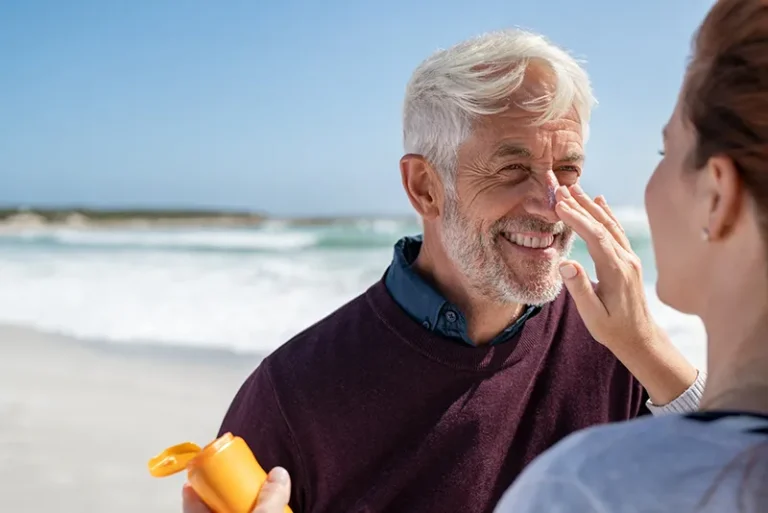
  • Smiling older man having sunscreen applied to his face by a woman at the beach, with the ocean in the background.

    7 Proven Methods to Safeguard Your Nose from Skin Cancer

    The nose, being a prominent facial feature, is highly exposed to sunlight and vulnerable to UV damage. Implementing specific protective measures can help prevent skin cancer in this area. Apply High-SPF Sunscreen to Your Nose Use a broad-spectrum sunscreen with SPF 30 or higher on your nose, ensuring even coverage, including the bridge and nostrils….Read More

  • Three older women in sun hats and beachwear laughing and enjoying a sunny day at the beach.

    7 Effective Strategies to Prevent Skin Cancer on Your Ears

    The ears are often overlooked when it comes to sun protection, yet they are highly susceptible to UV damage due to their exposure. Implementing targeted preventive measures can significantly reduce the risk of skin cancer in this area. Prioritize Ear-Specific Sunscreen Application Apply a broad-spectrum sunscreen with at least SPF 30 directly to all parts…Read More

For more information on skin cancer treatment options, speak with a Skin Cancer Information Specialist today.