
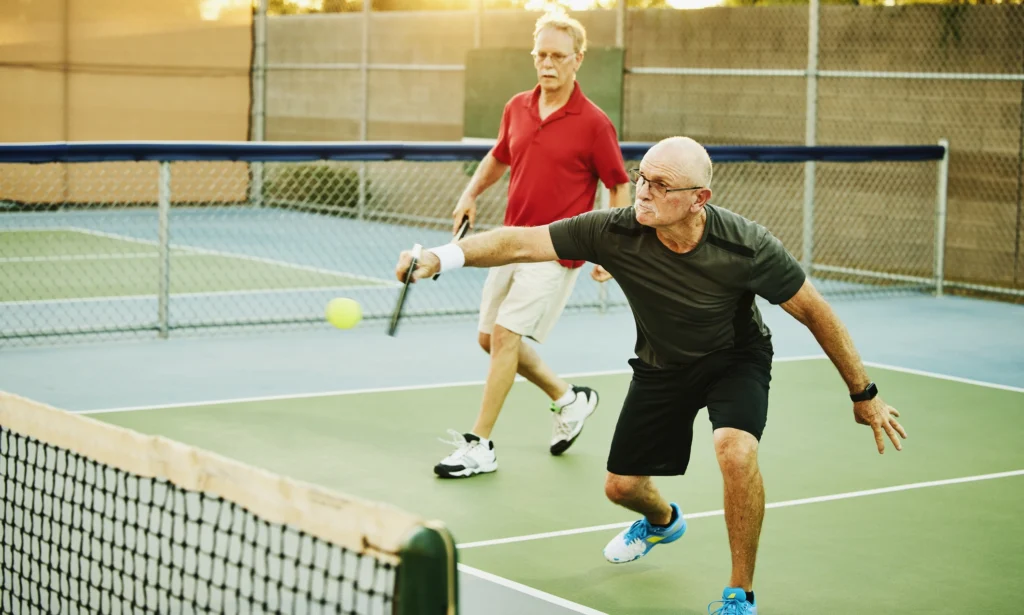
Outdoor sports and activities are a central part of summer for many people. Whether it is running, cycling, swimming, or playing team sports, spending time outside offers clear physical and mental benefits. At the same time, it also increases exposure to ultraviolet (UV) radiation, which is a major contributor to skin damage and skin cancer.
Because these activities often involve extended time in direct sunlight, exposure can build quickly. In practice, even well-intentioned habits may fall short if protection is inconsistent. Understanding how to stay protected while remaining active outdoors is key to reducing long-term risk.
Why Outdoor Sports Increase UV Exposure
Outdoor sports naturally involve conditions that increase UV exposure. Unlike short periods outside, these activities often keep you in direct sunlight for extended durations.
Several factors contribute to this increased exposure:
- Long periods of activity, often during peak sunlight hours
- Limited access to shade on fields, courts, or open environments
- Reflection from surfaces such as water, sand, or pavement
- Repeated exposure over days, weeks, or entire seasons
Over time, this pattern leads to cumulative exposure. Looking at how UV radiation affects the skin helps clarify why repeated exposure is a key factor in long-term skin damage.
Common Skin Cancer Risks for Athletes
Athletes and active individuals face specific challenges when it comes to sun protection. Even when awareness is high, maintaining consistent protection during physical activity can be difficult.
Common challenges include:
- Sweating, which can reduce sunscreen effectiveness
- Inconsistent reapplication during long sessions
- Exposure during peak UV hours
- Overlooking protection during routine training
These factors can result in repeated, unprotected exposure, increasing overall risk over time.
How to Protect Your Skin During Outdoor Activities
Effective protection during sports requires a combination of strategies rather than relying on a single solution. The goal is to reduce exposure while maintaining comfort and performance.
Key protective habits include:
- Applying sunscreen before going outdoors
- Reapplying sunscreen during extended activity, especially after sweating
- Wearing protective clothing designed for sun exposure
- Using hats or visors when appropriate
- Taking breaks in shaded areas whenever possible
This layered approach provides more reliable protection than any single method alone.
Best Times of Day for Outdoor Sports
Timing plays an important role in UV exposure. UV radiation is typically strongest during midday (10 a.m. to 4 p.m.), when the sun is at its highest point.
When possible, scheduling activities during lower-exposure periods can help reduce risk:
- Early morning
- Late afternoon or early evening
Checking tools such as the current UV index can also help guide decisions about when to train or compete outdoors.
Choosing the Right Sun Protection for Sports
Not all sun protection methods perform equally well during physical activity. Choosing options that are practical and durable can improve consistency.
When selecting protection, consider:
- Sweat-resistant sunscreen formulas
- Lightweight, breathable protective clothing
- Accessories that remain secure during movement
- Products that are easy to reapply quickly
The more practical the protection, the more likely it is to be used consistently. A broader look at types of sunscreen can help clarify which options may be better suited for outdoor activity.
Areas Athletes Often Forget to Protect
Even when sunscreen is applied, certain areas are frequently missed. These areas can receive significant exposure during outdoor activities.
Commonly overlooked areas include:
- Ears
- Back of the neck
- Tops of the feet
- Hands
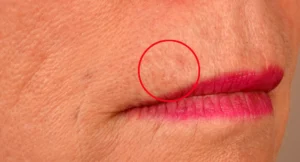
- Lips
Including these areas in your routine can improve overall protection. Reviewing what skin cancer looks like can also help increase awareness of how changes may appear in different areas.
How Cumulative Exposure Affects Active Lifestyles
For people who spend significant time outdoors, exposure is not limited to individual events. It accumulates over time through repeated activity.
Even when each session seems manageable, the total exposure across months and years can contribute to long-term skin damage. This cumulative effect is one of the main reasons consistent protection is essential.
Understanding how skin cancer develops over time reinforces why daily habits play such a critical role.
When to Be More Cautious
Certain conditions can increase UV exposure and require additional attention to protection.
Higher-risk situations include:
- Training or competing during midday
- Activities near reflective surfaces such as water or sand
- High-altitude environments where UV intensity is greater
- Extended outdoor events or tournaments
Recognizing these conditions allows you to adjust your approach and reduce unnecessary exposure.
When to Check Your Skin
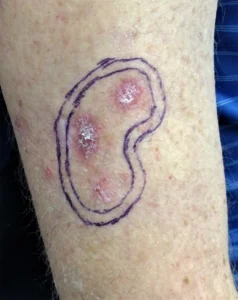
Regular skin checks are especially important for individuals with frequent sun exposure. Being familiar with your skin can help you notice changes earlier.
You should consider evaluation if you notice:
- A spot that changes in appearance
- A lesion that does not heal
- Persistent irritation or bleeding
- A spot that looks different from others
Recognizing the early signs of skin cancer supports earlier detection and more timely care.
How Skin Cancer Is Treated
If skin cancer is detected, treatment depends on the type and stage of the condition. When identified early, many cases are highly treatable.
Treatment options may include surgical procedures or non-surgical approaches. In certain situations, dermatologists may recommend Image-Guided Superficial Radiation Therapy (IGSRT), a surgery-free option that targets cancer cells while preserving surrounding healthy tissue.
GentleCure utilizes IGSRT as part of this treatment approach, depending on the patient’s diagnosis and needs. Reviewing skin cancer treatment methods can help clarify available options.
Frequently Asked Questions About Sun Safety in Sports
They may have increased exposure due to time spent outdoors, which can raise risk over time.
It should be reapplied regularly, especially during prolonged activity or sweating.
Yes, especially when designed for breathability and UV protection.
Yes, UV rays can still reach your skin even when it is cloudy.
Using a combination of sunscreen, protective clothing, and timing strategies is most effective.
If you are concerned about a new or changing skin spot after frequent outdoor activity, GentleCure can help you understand your next steps. You can find a location where GentleCure is available, contact GentleCure to speak with a Skin Cancer Information Specialist, or call (855) 936-4411 for more information about skin cancer treatment options.