Can immunosuppression increase skin cancer risk? Yes, people with a weakened immune system may have a higher risk of developing skin cancer, especially squamous cell skin cancer. This can happen after an organ transplant, with certain immune-suppressing medications, or with medical conditions that affect immune function.
The immune system helps the body recognize and respond to abnormal cells. When immune function is reduced, the body may have a harder time controlling some skin changes caused by ultraviolet (UV) damage, viruses, medications, or other risk factors.
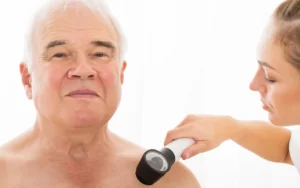
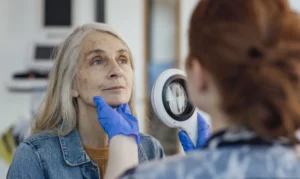
If you are immunosuppressed, regular skin checks and early evaluation of new or changing spots are especially important.
What Is Immunosuppression?
Immunosuppression means the immune system is weakened or less active than usual. This may happen because of a medical condition, medication, or treatment that intentionally lowers immune activity.
A person may be immunosuppressed because of:
- An organ transplant
- Medications used to prevent organ rejection
- Certain autoimmune disease treatments
- Long-term or high-dose corticosteroid use
- Some cancer treatments
- Certain blood cancers or immune system disorders
- HIV or other conditions that affect immune function
- Other medications or diseases that reduce immune response
Some people are temporarily immunosuppressed, while others live with long-term immune suppression. Your healthcare provider can explain how your specific condition or medication affects your risk.
Why Does Immunosuppression Increase Skin Cancer Risk?
The immune system plays an important role in identifying abnormal cells and helping the body respond to them. When the immune system is weakened, it may be less able to detect or control abnormal skin cells before they grow.
Immunosuppression can increase skin cancer risk because it may:
- Reduce the body’s ability to repair or control UV-related skin damage
- Make it harder for the immune system to recognize abnormal cells
- Increase the chance that precancerous spots progress
- Allow certain skin cancers to grow faster or behave more aggressively
- Increase the risk of multiple skin cancers over time
This does not mean every immunosuppressed person will develop skin cancer. It means the risk may be higher, and proactive skin monitoring becomes more important.
Who Is at Higher Risk?
Skin cancer risk can vary depending on the reason for immunosuppression, the medications used, how long the immune system has been suppressed, sun exposure history, skin type, and personal medical history.
You may have a higher risk if you:
- Have had an organ transplant
- Take medications that suppress the immune system
- Have a history of skin cancer
- Have many actinic keratoses or precancerous skin changes
- Have fair or freckled skin
- Burn easily or have a history of sunburns
- Spend a lot of time outdoors
- Have used tanning beds, tanning booths, or sunlamps
- Have a family history of skin cancer
- Have a weakened immune system from a medical condition
People who have had organ transplants are often monitored closely because long-term immune-suppressing medication can increase the risk of skin cancer, especially squamous cell skin cancer.
What Types of Skin Cancer Are Linked to Immunosuppression?
Immunosuppression can increase the risk of several types of skin cancer. The most important risks to discuss with a dermatologist include squamous cell skin cancer, basal cell skin cancer, and melanoma.
Squamous cell skin cancer is a major concern for people with weakened immune systems. In immunosuppressed patients, it may be more common, grow more quickly, or have a higher chance of becoming serious.
Basal cell skin cancer can also occur more often in people with immune suppression. It often grows slowly, but it can still become larger or more difficult to treat if ignored.
Melanoma can also occur in immunosuppressed patients. Melanoma may be more aggressive than common nonmelanoma skin cancers and should be evaluated promptly if suspected.
Because risk varies from person to person, a dermatologist can help determine how often you should be screened.
Why Squamous Cell Skin Cancer Needs Special Attention
Squamous cell skin cancer is especially important for immunosuppressed patients because it can behave more aggressively in some cases. It may grow faster, recur after treatment, or have a higher risk of spreading compared with squamous cell skin cancer in people without immune suppression.
Warning signs may include:
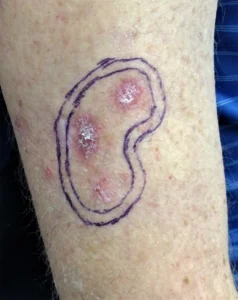
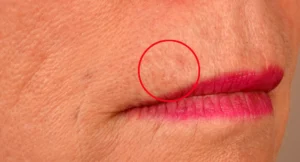
- A rough, scaly, or crusted patch
- A firm red or pink bump
- A sore that does not heal
- A wart-like growth
- A spot that bleeds, crusts, or oozes
- A tender, painful, or rapidly growing lesion
- A thickened area on sun-damaged skin
- A new lesion near a previous skin cancer site
If you are immunosuppressed and notice any of these signs, schedule a dermatology exam. Early diagnosis can help reduce the risk of more complex treatment.
Warning Signs Immunosuppressed Patients Should Watch For
People with weakened immune systems should pay close attention to new or changing skin spots. Skin cancer can appear in many ways, and not every suspicious spot looks dramatic at first.
Possible early signs of skin cancer include:
- A sore that does not heal
- A scab that keeps coming back
- A rough, scaly, or crusted patch
- A shiny, pearly, pink, or flesh-colored bump
- A firm red bump
- A wart-like growth
- A mole that changes in size, shape, color, or texture
- A dark, uneven, or multi-colored spot
- A spot that bleeds, hurts, itches, or grows
- A lesion that looks different from other marks on your skin
A spot does not have to be painful to be skin cancer. Many early skin cancers are painless, which is why regular skin checks matter.
Where Can Skin Cancer Appear?
Skin cancer can appear anywhere on the body, but it is especially common on areas that receive frequent sun exposure.
Common areas include:
- Face
- Nose
- Ears
- Scalp
- Forehead
- Lips
- Neck
- Shoulders
- Arms
- Hands
- Legs
Skin cancer can also appear in less sun-exposed areas, including the chest, back, feet, toes, under the nails, or in skin folds. Immunosuppressed patients should check both sun-exposed and less visible areas.
How Often Should Immunosuppressed Patients Get Skin Checks?
The right screening schedule depends on your personal risk factors. Some immunosuppressed patients may need skin exams more often than people without immune suppression, especially if they have had an organ transplant or previous skin cancer.
Your dermatologist may consider:
- Your reason for immunosuppression
- The medications you take
- How long you have been immunosuppressed
- Your history of sun exposure
- Your history of skin cancer or precancerous spots
- Your skin type
- Your number of moles
- Any new or changing lesions
If you are unsure how often you should be checked, ask your dermatologist or transplant care team for a recommended skin cancer screening schedule.
How to Check Your Skin at Home
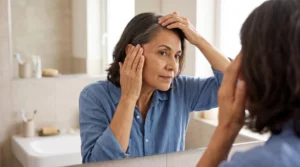
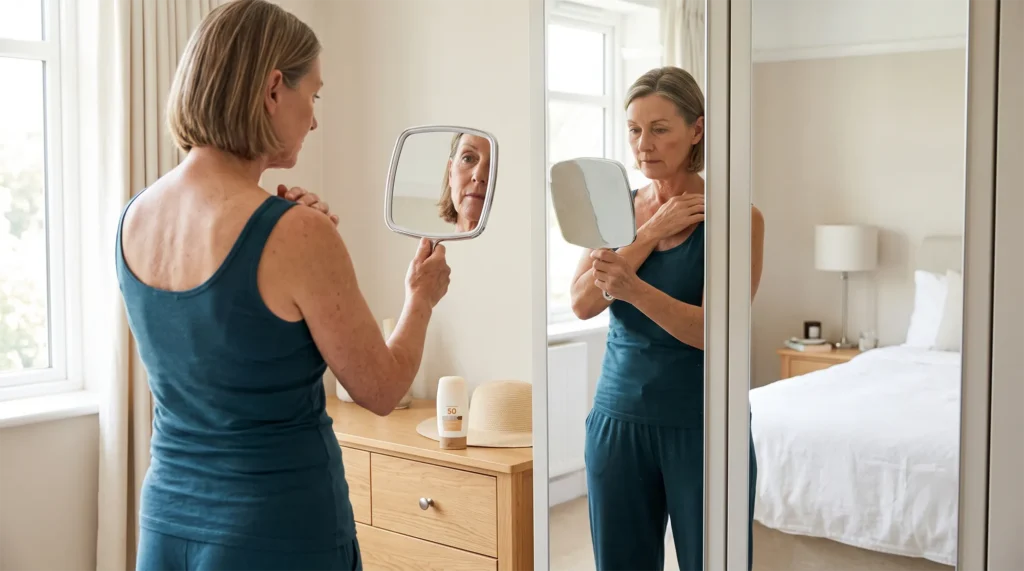
At-home skin checks can help you notice changes between dermatology appointments. Choose a well-lit room and use a full-length mirror and hand mirror if possible.
Check:
- Face, ears, lips, and scalp
- Neck, chest, and back
- Arms, elbows, and hands
- Palms and between fingers
- Legs, feet, toes, and soles
- Between the toes
- Under fingernails and toenails
- Skin folds and areas that are harder to see
For moles and dark spots, use the ABCDEs:
- Asymmetry: One half of the spot does not match the other.
- Border: The edges are uneven, jagged, blurred, or poorly defined.
- Color: The spot has more than one color, such as brown, black, red, white, blue, or pink.
- Diameter: The spot is larger than a pencil eraser or continues to grow.
- Evolving: The spot changes in size, shape, color, texture, or symptoms.
The “E” for evolving is especially important. Any spot that changes, grows, bleeds, crusts, or does not heal should be checked.
How to Help Lower Skin Cancer Risk if You Are Immunosuppressed
You cannot control every risk factor, but you can take steps to reduce UV exposure and support earlier detection.
To help protect your skin:
- Use broad-spectrum sunscreen with SPF 30 or higher
- Reapply sunscreen every two hours when outdoors
- Reapply after swimming, sweating, or toweling off
- Wear a wide-brimmed hat
- Wear sunglasses with UV protection
- Use sun-protective clothing when possible
- Seek shade when UV exposure is strongest
- Avoid tanning beds, tanning booths, and sunlamps
- Check your skin regularly for new or changing spots
- Keep regular dermatology appointments
- Tell your dermatologist about your medications and immune history
If you take immune-suppressing medication, do not stop or change it without guidance from your healthcare provider. Instead, talk with your care team about your skin cancer risk and screening plan.
What to Tell Your Dermatologist
Your dermatologist can give better guidance when they understand your immune status and medical history.
Be sure to share:
- Whether you have had an organ transplant
- Which immune-suppressing medications you take
- How long you have been taking them
- Whether you have had previous skin cancer
- Whether you have had actinic keratoses or precancerous spots
- Any new, changing, bleeding, or non-healing lesions
- Any family history of skin cancer
- Any history of tanning bed use or frequent sunburns
This information helps your dermatologist assess your risk and recommend the right screening schedule.
How Is Skin Cancer Treated in Immunosuppressed Patients?
Treatment depends on the type of skin cancer, size, depth, location, biopsy results, recurrence history, immune status, and provider recommendation.
Common treatment options may include:
- Mohs surgery: A surgical technique that removes thin layers of skin and checks them for cancer cells until no cancer remains.
- Surgical removal: A procedure that removes the skin cancer along with a margin of surrounding tissue.
- Image-Guided SRT: A non-surgical treatment option for certain nonmelanoma skin cancers, including basal cell skin cancer and squamous cell skin cancer.
- Other treatments: Depending on the diagnosis, options may include topical medication, cryotherapy, photodynamic therapy, immunotherapy, radiation therapy, or other approaches recommended by your provider.
For immunosuppressed patients, treatment planning may also involve closer follow-up because of the increased risk of additional skin cancers or recurrence.
Is IGSRT an Option for Immunosuppressed Patients?
IGSRT, also known as Image-Guided SRT, may be an option for eligible patients with certain nonmelanoma skin cancers, including basal cell skin cancer and squamous cell skin cancer.
For immunosuppressed patients, treatment decisions should be individualized. Your dermatologist may consider the cancer type, size, depth, location, recurrence risk, medical history, and immune status before recommending a treatment option.
IGSRT is not appropriate for every skin cancer or every patient. A dermatologist can help determine whether IGSRT or another treatment approach is the right fit.
Questions to Ask Your Dermatologist
If you are immunosuppressed, it can help to ask direct questions about skin cancer prevention, screening, and treatment.
Helpful questions include:
- Does my condition or medication increase my skin cancer risk?
- How often should I have a full-body skin exam?
- What signs should I watch for between appointments?
- Am I at higher risk for squamous cell skin cancer?
- Should I check my skin differently because I am immunosuppressed?
- Are any of my medications linked to increased sun sensitivity?
- What should I do if I find a new or changing spot?
- If I am diagnosed with skin cancer, what are my treatment options?
- Is IGSRT an option for my diagnosis?
- Will I need closer follow-up after treatment?
These questions can help you build a proactive plan with your care team.
FAQ: Immunosuppression and Skin Cancer Risk
Does immunosuppression increase skin cancer risk?
Yes, immunosuppression can increase skin cancer risk. People with weakened immune systems may have a higher chance of developing skin cancer, especially squamous cell skin cancer.
Why does a weakened immune system increase skin cancer risk?
The immune system helps identify and respond to abnormal cells. When immune function is reduced, the body may have a harder time controlling abnormal skin cells caused by UV damage or other risk factors.
Who is considered immunosuppressed?
A person may be immunosuppressed because of an organ transplant, immune-suppressing medication, certain autoimmune disease treatments, long-term corticosteroid use, cancer treatments, HIV, blood cancers, or other conditions that affect immune function.
Are organ transplant patients at higher risk for skin cancer?
Yes, organ transplant patients can have a higher risk of skin cancer because they often take long-term medications that suppress the immune system. Squamous cell skin cancer is a major concern in this group.
What type of skin cancer is most common in immunosuppressed patients?
Squamous cell skin cancer is especially important in immunosuppressed patients because it may be more common and can behave more aggressively in some cases. Basal cell skin cancer and melanoma can also occur.
Can immunosuppression make skin cancer more aggressive?
Yes, in some cases. Skin cancer, especially squamous cell skin cancer, may grow faster, return, or have a higher risk of spreading in immunosuppressed patients.
How often should immunosuppressed patients see a dermatologist?
The right schedule depends on individual risk factors, medical history, medications, and previous skin cancers. Some immunosuppressed patients may need more frequent skin exams. A dermatologist can recommend an appropriate schedule.
What skin cancer signs should immunosuppressed patients watch for?
Watch for sores that do not heal, recurring scabs, rough or scaly patches, shiny bumps, firm red bumps, wart-like growths, changing moles, bleeding spots, or lesions that grow or look different from the rest of your skin.
Can immunosuppressed patients prevent skin cancer?
Not every case can be prevented, but risk can be reduced with consistent sun protection, avoiding tanning beds, regular skin checks, and dermatology screenings. Early detection is especially important.
Should I stop immune-suppressing medication to lower skin cancer risk?
Do not stop or change immune-suppressing medication without guidance from your healthcare provider. Instead, talk with your care team about your skin cancer risk and screening plan.
Is IGSRT an option for immunosuppressed patients with skin cancer?
IGSRT may be an option for eligible patients with certain nonmelanoma skin cancers, including basal cell skin cancer and squamous cell skin cancer. Treatment decisions should be individualized based on diagnosis, location, immune status, and provider recommendation.
When should I call a dermatologist?
Call a dermatologist if you notice a new, changing, bleeding, crusting, painful, itchy, or non-healing spot. Immunosuppressed patients should not wait to have suspicious lesions evaluated.
Learn More About Skin Cancer Treatment With GentleCure®
If you are immunosuppressed, regular skin checks and early evaluation of suspicious spots are important. A dermatologist can help determine your risk level and recommend the right screening schedule.
If you have been diagnosed with certain nonmelanoma skin cancers, including basal cell skin cancer or squamous cell skin cancer, GentleCure may be an option. GentleCure uses IGSRT, also known as Image-Guided SRT, a non-surgical treatment option for certain nonmelanoma skin cancers. For eligible patients, it may help treat basal cell skin cancer or squamous cell skin cancer without cutting, stitches, or surgical scarring.
Treatment recommendations depend on the diagnosis, cancer type, size, depth, location, medical history, immune status, and provider recommendation. You can also complete the Am I a Candidate? treatment quiz to learn more.
To learn more, call 855-936-4411 to speak with a Skin Cancer Information Specialist or find a participating dermatology practice near you.