GentleCure Blog

Welcome to the GentleCure Skin Cancer Blog

Thank you for visiting our blog. If you’re looking for information on skin cancer types, skin cancer statistics, general skin cancer facts, sun safety tips, and more information you can trust, you’ve come to the right place. At GentleCure, we are on a mission to empower those with nonmelanoma skin cancer to be educated, active participants in their treatment decisions. Providing you with a breadth of knowledge about skin cancer and its treatment is just one way we can achieve that goal. Learn more below about the types of posts you can expect to find on our blog, then find out how to get in touch with us if you would like to talk with a Skin Cancer Information Specialist.

What topics are covered in our blog?

GentleCure® blog posts will cover everything from basic skin cancer facts and skin cancer statistics to more specific information regarding nonmelanoma skin cancers like basal cell skin cancer and squamous cell skin cancer. You will find answers you can trust to questions like:

  • What is nonmelanoma skin cancer?
  • What are the symptoms of basal cell skin cancer and squamous cell skin cancer?
  • What causes basal and squamous cell skin cancers?
  • Are basal and squamous cell skin cancers deadly? What are their survival rates?
  • How are basal and squamous cell skin cancers treated?

In addition to skin cancer facts and statistics, anyone considering Image-Guided Superficial Radiotherapy (IGSRT) as a surgery-free option for treating their nonmelanoma skin cancer can find helpful information about:

  • How IGSRT works
  • What to expect during treatment with IGSRT
  • How IGSRT compares to Mohs surgery
  • Much more

While past experiences with skin cancer treatment may have left you feeling in the dark and unsure of your options, GentleCure is proud to offer a refreshing approach to nonmelanoma skin cancer treatment by providing in-depth answers to all your questions.

Latest Posts

  • Basal Cell Skin Cancer Symptoms

    What are the Basal Cell Skin Cancer Symptoms?

    Basal cell skin cancer is the most common type of skin cancer, making up about 80% of diagnoses. Thankfully, it has a very good outlook to be cured when detected and treated early. With that said, it’s important to know the symptoms of basal cell skin cancers to look for. Learn more about the different…Read More

  • doctor and patient talking

    What Causes Common Forms of Skin Cancer?

    Common skin cancers like basal cell skin cancer and squamous cell skin cancer develop when DNA in the skin cells is damaged by ultraviolet (UV) light. The main source of UV light is sunlight, but there are also artificial sources, including sunlamps and tanning beds. Real and artificial UV light rays are the most common…Read More

  • What Are the Side Effects of Mohs Surgery?

    The potential side effects of Mohs surgery include pain, tenderness, swelling, scarring, and more. They can vary on an individual basis: some people who treat their skin cancer with Mohs surgery may experience no side effects, while others might experience several. If you’re at all concerned about these side effects, or if you’d like to…Read More

  • IG-SRT Machine

    Side Effects of Image-Guided SRT

    As with every treatment for people with cancer, there may be side effects that can be different for each person, but it’s important to know that the benefits of the treatment are usually much greater than the side effects. Superficial radiation therapy is a non-surgical outpatient procedure designed to treat basal cell and squamous cell…Read More

  • Full-Body Skin Cancer Screening: What to Expect

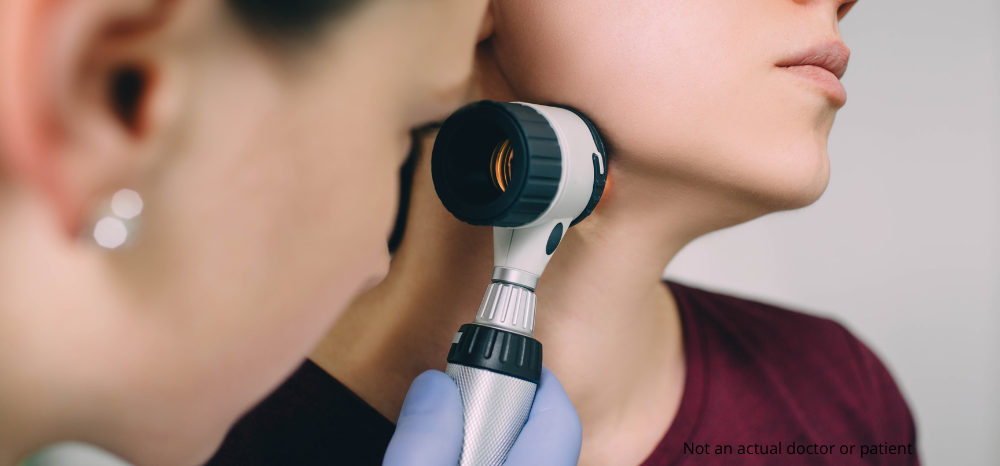
    A skin cancer screening is a visual examination of your skin performed by a medical professional. During a full-body screening, your entire body is checked for suspicious-looking spots that could be cancerous. For both men and women, skin cancer screenings are an essential part of detecting cancer in the early stages, and can even help…Read More

  • doctor and patient talking

    What are the Different Levels of Skin Cancer?

    The different levels of skin cancer are most commonly referred to as “stages.” Healthcare providers use the skin cancer stages to describe the location and severity of the skin cancer in question, indicating if or how it has spread to other parts of the body. If you’ve recently received a skin cancer diagnosis, you might…Read More

  • scalpel

    What is Mohs Surgery?

    Mohs surgery, sometimes called Mohs micrographic surgery, is a surgical technique used to treat common and uncommon forms of skin cancer. Mohs surgery is performed in stages, with the cancer-containing skin being removed in thin layers until no more skin cancer remains, leaving behind as much healthy tissue as possible. We’ll talk more about what…Read More

  • Older woman gardening outdoors in a sunny backyard while wearing sun-protective clothing, gloves, sunglasses, and a wide-brim hat.

    Skin Cancer Prevention

    People with fair skin and light features are known to be at a higher risk of developing skin cancer, but that doesn’t mean everyone else isn’t susceptible, too. Skin cancer can affect anyone, no matter their age, skin color, or gender. Protecting your skin is a year-round effort that goes beyond sunscreen alone. Keep reading…Read More

  • What Are the Early Signs of Skin Cancer on Your Face?

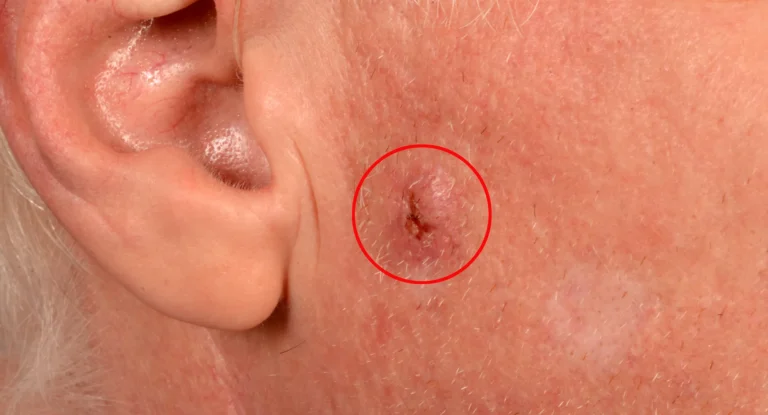
    Approximately 85% of skin cancers are found on a person’s head, face, eyelids, and neck region. Detection in the early stages of skin cancer is key to treatment success, but do you know how to spot the early signs of skin cancer on your face? Common skin cancers can take many forms, and understanding the…Read More

  • A healthcare worker assists a patient with a cell phone in a bright clinic room.

    4 Popular Skin Cancer Apps for Early Detection

    The ability to treat and cure skin cancer relies on early detection of problematic spots on your skin. Doctors recommend carrying out a full skin self-examination at least once a month, but it can be difficult to keep track of new or changing moles. If you can relate to this struggle, you may be interested…Read More

  • Doctor inspecting woman patient skin on her for melanoma

    What Are the Early Signs of Skin Cancer?

    Skin cancer often develops on areas of the skin where it is easily detectable, making it easier to diagnose early on than other types of cancer. The earlier a cancerous skin spot is detected, the sooner you can treat it and the higher your chances are of curing it. What are the early signs of…Read More

  • Summer Skin Care Tips: Expert Advice to Prevent Skin Cancer

    Your skin is your largest organ. Shouldn’t you try to do all you can to protect it? Along with applying a healthy dose of sunscreen this summer, here are some other tips to protect yourself from the harmful rays of the sun. Start Summer with Smart Protection Increased outdoor activity during summer means more UV…Read More

For more information on skin cancer treatment options, speak with a Skin Cancer Information Specialist today.