
Skin cancer is often associated with sun exposure, but it is not limited to areas that receive direct sunlight. While ultraviolet (UV) radiation is a major risk factor, skin cancer can also develop in parts of the body that rarely or never see the sun.
Because this is less widely recognized, these cases are more likely to be overlooked. In many situations, they are identified later, not because they progress faster, but because they are less expected and less frequently checked.
Understanding where skin cancer can appear and how it presents in these areas can help improve awareness and support earlier detection.
Can Skin Cancer Develop Without Sun Exposure?
Yes, skin cancer can develop in areas with little or no sun exposure. Although UV radiation plays a significant role in many cases, it is not the only factor involved.
Other contributing factors may include:
- Genetic mutations that occur independently of UV exposure
- Immune system-related factors
- Chronic irritation or inflammation in certain areas
- Natural cellular changes over time
This broader perspective helps explain why skin cancer is not limited to sun-exposed skin. Looking at how skin cancer develops over time provides additional context for these different pathways.
Where Skin Cancer Can Appear Without Sun Exposure
Skin cancer can develop in areas that are not typically exposed to sunlight. These locations are often overlooked during routine skin checks.
Common areas include:
- Palms of the hands
- Soles of the feet
- Under or around fingernails and toenails
- Genital areas
- Inside the mouth
Because these areas are less visible or less commonly examined, changes may go unnoticed for longer periods.
Why Skin Cancer Appears in These Areas
The causes of skin cancer in non-sun-exposed areas can differ from those related to UV exposure. In some cases, the exact cause may not be fully understood, but several contributing factors have been identified.
These include:
- Genetic or cellular changes unrelated to UV radiation
- Chronic pressure or repeated irritation
- Delayed detection due to lack of visibility
- Differences in how certain types of skin cancer develop
Understanding risk factors for skin cancer helps clarify why skin cancer may appear in different areas of the body.
What Skin Cancer Looks Like in Less Visible Areas
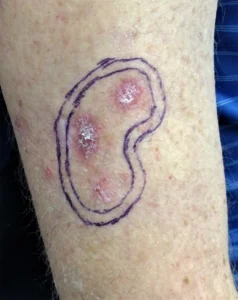
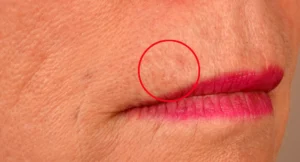
Skin cancer in these areas may not look like the more familiar signs seen in sun-exposed skin. This can make recognition more difficult.
Signs to watch for include:
- Dark or irregularly shaped spots
- Unusual growths or patches
- Persistent sores that do not heal
- Discoloration under nails
- Changes in thickness or texture
Reviewing examples of what skin cancer looks like can help improve recognition, especially in less visible areas.
Why These Cases Are Sometimes Diagnosed Later
Skin cancer in non-sun-exposed areas is often diagnosed at a later stage. This is typically due to reduced awareness and visibility rather than faster progression.
Common reasons include:
- These areas are not routinely checked
- Symptoms may be subtle or easily overlooked
- Lower awareness of risk in these locations
- Misinterpretation as non-cancerous conditions
Recognizing the early signs of skin cancer can help reduce delays and support earlier evaluation.
How to Check Areas That Are Easy to Miss
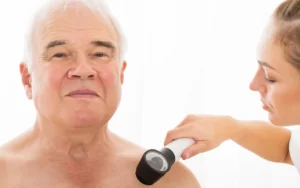
A thorough skin check should include the entire body, not just areas exposed to the sun. Expanding your routine can help improve early detection.
A more complete check includes:
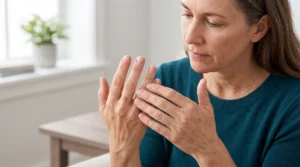
- Examining palms, soles, and between toes
- Checking under and around nails
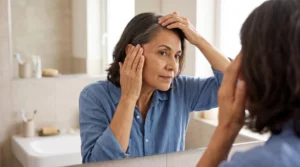
- Using mirrors for hard-to-see areas
- Paying attention to any new or changing spots
Using a structured approach, such as a monthly skin check checklist, can help ensure consistency.
When to Get a Spot Checked
Any change in the skin should be taken seriously, regardless of where it appears. Areas without sun exposure are not immune to risk.
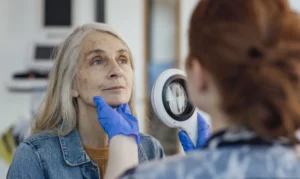
You should consider seeing a dermatologist if:
- A spot changes over time
- A lesion does not heal
- There is persistent irritation or discomfort
- A spot looks unusual compared to others
Prompt evaluation supports earlier detection and more effective treatment. Learning more about how to detect skin cancer can help you understand when a skin change should be checked.
How Skin Cancer is Treated
If skin cancer is diagnosed, treatment depends on the type, location, and stage of the condition. When detected early, many cases are highly treatable.
Treatment options may include surgical procedures or non-surgical approaches. In certain situations, dermatologists may recommend Image-Guided Superficial Radiation Therapy (IGSRT), a surgery-free option designed to treat cancer cells while preserving surrounding healthy tissue.
GentleCure utilizes IGSRT as part of this treatment approach, depending on the patient’s diagnosis and needs. Reviewing skin cancer treatment methods can help clarify available options.
Why Awareness Beyond Sun Exposure Matters
Focusing only on sun-exposed areas can lead to missed opportunities for early detection. Skin cancer can develop anywhere on the body, and awareness should reflect that.
Key takeaways include:
- Skin cancer is not limited to sun-exposed areas
- Less visible areas are more likely to be overlooked
- Early detection improves outcomes
- Regular, full-body skin checks are important
Taking a more complete approach to skin awareness helps reduce the risk of delayed diagnosis. Consistent skin cancer prevention habits can also support long-term skin health.
Frequently Asked Questions About Skin Cancer Without Sun Exposure
Yes, although UV radiation is a major factor, skin cancer can develop in areas with little or no sun exposure.
It is often missed on the palms, soles, under nails, and other less visible areas.
It can be diagnosed later, which may make treatment more complex if not detected early.
Watch for unusual spots, discoloration, or sores that do not heal.
Perform regular full-body skin checks and pay attention to all areas of your skin.
If you are concerned about a new, unusual, or changing skin spot, GentleCure can help you understand your next steps. You can find a location where GentleCure is available, contact GentleCure to speak with a Skin Cancer Information Specialist, or call (855) 936-4411 for more information about skin cancer treatment options.