After completing treatment for skin cancer, it is natural to feel a sense of closure. However, many people are surprised to learn that skin cancer can return. This is known as recurrence, and it is an important part of long-term skin health to understand.
Recurrence does not necessarily mean that the initial treatment was unsuccessful. In some cases, it reflects how skin cancer behaves over time or how risk factors continue to influence the skin. Knowing what to expect and how to monitor changes can help you stay proactive after treatment.
What Does Recurrence Mean?
Recurrence refers to the return of skin cancer after it has been treated. This can happen in the same location or in a different area of the body.
There are a few ways recurrence may present:
- Local recurrence, where cancer returns in the same area
- Nearby recurrence, where it develops close to the original site
- A new occurrence, where a different skin cancer forms elsewhere
These distinctions matter because they help guide how the condition is monitored and managed over time.
How Common is Skin Cancer Recurrence?
The likelihood of recurrence varies based on several factors, including the type of skin cancer and how early it was treated.
Some of the most important factors include:
- The type of skin cancer
- The size and depth of the original lesion
- The location on the body
- The treatment method used
- Individual risk factors
Understanding risk factors for skin cancer helps explain why recurrence risk is different for each person.
Why Skin Cancer Can Come Back
Skin cancer may return for different reasons. In some cases, microscopic cancer cells may remain after treatment and grow over time. In others, a completely new skin cancer may develop.
Contributing factors can include:
- Residual cancer cells that were not fully eliminated
- Continued exposure to UV radiation
- A history of previous skin cancer
- Increased sensitivity to sun damage
These factors highlight why ongoing awareness and preventive care remain important even after treatment.
Signs That Skin Cancer May Have Returned
Recognizing potential signs of recurrence is key to early detection. Changes may appear near a previously treated area or in a new location.
You should watch for:
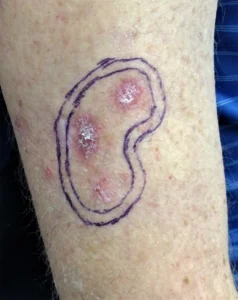
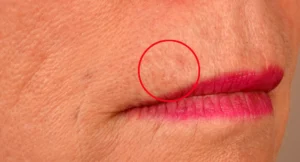
- A new growth near a previous treatment site
- Changes in a scar or treated area
- Persistent redness, irritation, or thickening
- A sore that does not heal
- New or unusual spots elsewhere on the body
Being familiar with the early signs of skin cancer can help you identify changes that should be evaluated.
How to Monitor Your Skin After Treatment
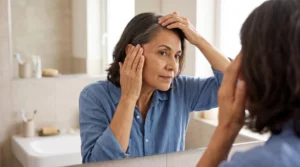
Monitoring your skin regularly is one of the most effective ways to detect recurrence early. This includes both self-checks and professional evaluations.
A consistent routine typically involves:
- Performing monthly skin checks
- Tracking changes with photos when possible
- Paying close attention to previously treated areas
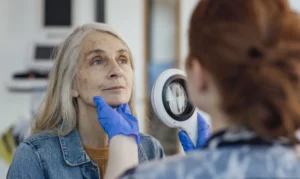
- Scheduling regular dermatology visits
Using a structured tool, such as a monthly skin check checklist, can help ensure that checks are thorough and consistent.
How Often Should You See a Dermatologist?
Follow-up care plays an essential role in managing recurrence risk. The frequency of visits depends on your medical history and the type of skin cancer you had.
In general, follow-up may include:
- More frequent visits shortly after treatment
- Regular long-term checkups
- Additional appointments if new concerns arise
Your dermatologist will provide guidance based on your specific situation. Understanding when to get skin cancer screening can also help reinforce the importance of ongoing follow-up.
How to Reduce the Risk of Recurrence
While recurrence cannot always be prevented, certain habits can help reduce the likelihood of future skin cancer.
Effective strategies include:
- Limiting UV exposure
- Using sunscreen consistently
- Wearing protective clothing
- Avoiding prolonged sun exposure
- Maintaining regular skin checks
A comprehensive approach to skin cancer prevention supports long-term skin health and helps reduce ongoing risk.

What Happens If Skin Cancer Returns?
If recurrence is confirmed, the next step is to determine the most appropriate treatment approach. This decision is based on factors such as the type, size, and location of the cancer, as well as your previous treatment history.
Understanding available skin cancer treatment methods can help you feel more prepared for these discussions.
Treatment Options for Recurrence
Treatment for recurrent skin cancer may differ from the initial approach. In some cases, similar methods are used, while in others, a different strategy may be recommended.
Options may include surgical procedures or non-surgical treatments. In certain situations, dermatologists may recommend Image-Guided Superficial Radiation Therapy (IGSRT), a surgery-free option that targets cancer cells while preserving surrounding healthy tissue.
GentleCure utilizes IGSRT as part of this treatment approach, depending on the patient’s needs and diagnosis.
Why Long-Term Awareness Matters
Even after successful treatment, ongoing awareness remains essential. Skin cancer can return or develop in new areas, and early detection continues to play a critical role.
Key points to keep in mind include:
- Skin cancer can recur or develop elsewhere
- Early detection improves outcomes
- Regular monitoring supports long-term health
- Preventive habits remain important
Understanding how skin cancer develops over time reinforces the importance of staying proactive.
Frequently Asked Questions About Skin Cancer Recurrence
Yes, recurrence is possible, which is why ongoing monitoring is important.
It can return months or even years later, depending on individual factors.
It depends on the type of skin cancer and individual risk factors.
You should have it evaluated by a dermatologist as soon as possible.
While not always preventable, protective habits and regular monitoring can help reduce risk.
If you are concerned about a new or recurring skin cancer spot, GentleCure can help you understand your next steps. You can find a location where GentleCure is available near you, contact GentleCure to speak with a Skin Cancer Information Specialist, or call (855) 936-4411 for more information about skin cancer treatment options.