
Sunscreen is often the first thing people think about when it comes to sun protection, but clothing plays an equally important role. In many situations, it can be one of the most reliable ways to reduce exposure to ultraviolet (UV) radiation.
Sun protective clothing, especially garments labeled with a Ultraviolet Protection Factor (UPF) rating, provides a consistent physical barrier between your skin and the sun. Unlike sunscreen, it does not wear off or require reapplication, making it particularly effective during long periods outdoors.
Understanding how UPF works and how to choose the right clothing can help reduce cumulative UV exposure and support long-term skin health.
What Is UPF and How Does It Work?
UPF stands for Ultraviolet Protection Factor. It measures how much UV radiation a fabric allows to reach your skin. The higher the UPF rating, the more protection the garment provides.
For example, a high UPF rating means that only a small percentage of UV rays can pass through the fabric. This helps limit how much radiation reaches the skin during exposure.
This is different from SPF, which is used to measure sunscreen performance. While both relate to UV protection, UPF applies specifically to fabrics.
To better understand why this matters, it is helpful to consider how UV radiation affects the skin and contributes to long-term damage.
How Sun Protective Clothing Helps Reduce Risk
Clothing works by physically blocking UV radiation before it reaches the skin. This makes it a dependable form of protection, especially in situations where sunscreen alone may not be enough.
Unlike sunscreen, clothing:
- Provides continuous coverage without needing reapplication
- Protects larger areas of the body at once
- Is not affected by sweating or water in the same way
Because of this, it plays an important role in reducing cumulative exposure, which is one of the key contributors to skin cancer risk.
What Types of Clothing Offer the Best Protection?
Not all clothing offers the same level of UV protection. Several factors influence how effective a garment will be.
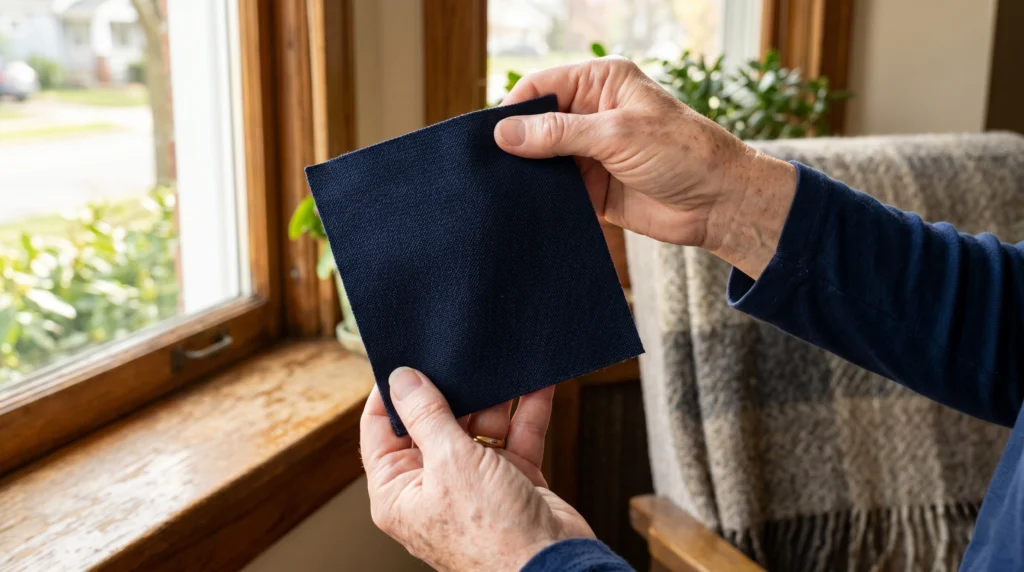
Key factors include:
- Fabric density, with tighter weaves blocking more UV radiation
- Color, as darker or more saturated colors tend to absorb more UV rays
- Fit, since stretched or worn areas may allow more UV to pass through
- UPF rating, which provides a standardized measure of protection
Comparison table
| Feature | Lower Protection | Higher Protection |
|---|---|---|
| Fabric | Thin or loosely woven | Dense and tightly woven |
| Color | Light colors | Dark or bright colors |
| Fit | Stretched or worn areas | Structured and consistent coverage |
| Rating | No UPF label | UPF 30+ (higher protection) |
Choosing garments specifically designed for sun protection helps ensure more consistent coverage.
Understanding UPF Ratings
UPF ratings indicate how much ultraviolet (UV) radiation a fabric blocks from reaching the skin. According to The Skin Cancer Foundation, fabrics with a UPF of 30 to 49 provide very good protection, while UPF 50+ is considered excellent and offers the highest level of protection available in clothing. In general, higher UPF ratings allow less UV radiation to penetrate the fabric, helping reduce overall exposure during time outdoors.
When Should You Use Sun Protective Clothing?
Sun protective clothing is especially useful in situations where UV exposure is prolonged or unavoidable.
Common scenarios include:
- Outdoor sports and recreational activities
- Time spent at the beach or pool
- Hiking or extended time outdoors
- Daily routines in sunny environments
In these cases, clothing can serve as a primary layer of protection, supported by other measures such as sunscreen.

How to Combine Clothing With Other Protection Methods
While protective clothing is effective on its own, it works best as part of a broader approach to sun safety.
A comprehensive strategy includes:
- Applying sunscreen to exposed areas
- Wearing hats and sunglasses for additional coverage
- Seeking shade during peak sunlight hours (10 a.m. to 4 p.m.)
- Limiting prolonged exposure when possible
Combining these methods helps reduce overall UV exposure more effectively than relying on a single approach. Reviewing skin cancer prevention strategies can help reinforce this multi-layered approach.
Does Regular Clothing Provide Enough Protection?
Some everyday clothing offers a basic level of protection, but it is not always reliable. Factors such as thin fabrics, loose weaves, and moisture can reduce effectiveness.
For example, a lightweight shirt may allow more UV radiation to pass through than expected, especially when stretched or worn over time.
Clothing with a UPF rating provides a more consistent and predictable level of protection, making it a better choice for extended exposure.
How Cumulative UV Exposure Relates to Clothing Use
Cumulative UV exposure builds over time through repeated, everyday exposure. Even small amounts of exposure can add up over months and years.
Protective clothing helps reduce this accumulation by limiting how much UV radiation reaches the skin during each exposure.
Understanding how skin cancer develops over time highlights why consistent protection, including clothing, is an important part of long-term prevention.
How to Choose the Right Sun Protective Clothing
Choosing effective sun protective clothing involves balancing protection with comfort and practicality. Clothing that is uncomfortable is less likely to be worn consistently.
When selecting clothing, consider:
- UPF ratings of 30 or higher
- Fabrics designed specifically for sun protection
- Coverage of high-exposure areas such as arms and shoulders
- Breathability and comfort for regular use
Comfort plays a key role in ensuring that protective habits are maintained over time.
When to Be Extra Careful About UV Exposure
Certain environmental conditions can increase UV exposure and require additional protection.
Higher-risk situations include:
- Midday hours when UV radiation is strongest (10 a.m. to 4 p.m.)
- High-altitude environments
- Areas with reflective surfaces such as water, sand, or pavement
- Extended outdoor activities
Being aware of these conditions helps you adjust your protection strategy accordingly. Checking the current UV index can also help guide sun protection decisions before spending time outdoors.
Frequently Asked Questions About UPF and Sun Protection
UPF (Ultraviolet Protection Factor) measures how much UV radiation a fabric blocks from reaching your skin.
They serve different purposes. Clothing provides consistent coverage, while sunscreen protects exposed areas.
Yes, sunscreen should be applied to any exposed skin.
Some do, but protection varies. UPF-rated clothing provides more consistent coverage.
It blocks the majority of UV radiation, offering a high level of protection.
If you are concerned about long-term UV exposure or a new skin change, GentleCure can help you understand your next steps. You can find a location where GentleCure is available, contact GentleCure to speak with a Skin Cancer Information Specialist, or call (855) 936-4411 for more information about skin cancer treatment options.