When you’re exploring treatment options for nonmelanoma skin cancer, knowing what to expect post-treatment can help you feel more confident about your decision. Image-Guided Superficial Radiation Therapy (IGSRT) is a surgery-free treatment, which means your post-treatment experience compared to traditional surgical options like Mohs.
Here’s what you can expect following treatment with IGSRT. ,
What Happens During IGSRT Treatment
IGSRT delivers low-energy X-rays that target cancer cells directly at the skin’s surface. Ultrasound imaging guides each session to make sure the radiation is delivered precisely where it’s needed.
- Treatment typically involves 18 to 25 short treatment sessions (about 10 minutes each) over the course of several weeks.
- There are no stitches, anesthesia, or downtime.
Because IGSRT does not involve cutting or surgical wounds, most people continue their normal routines throughout treatment. Skin responses develop gradually over the course of the sessions, often peaking near the end and improving shortly after treatment is finished.
What to Expect During IGSRT Recovery
Skin responses during IGSRT are usually mild and develop gradually over the course of treatment.
Common experiences include:
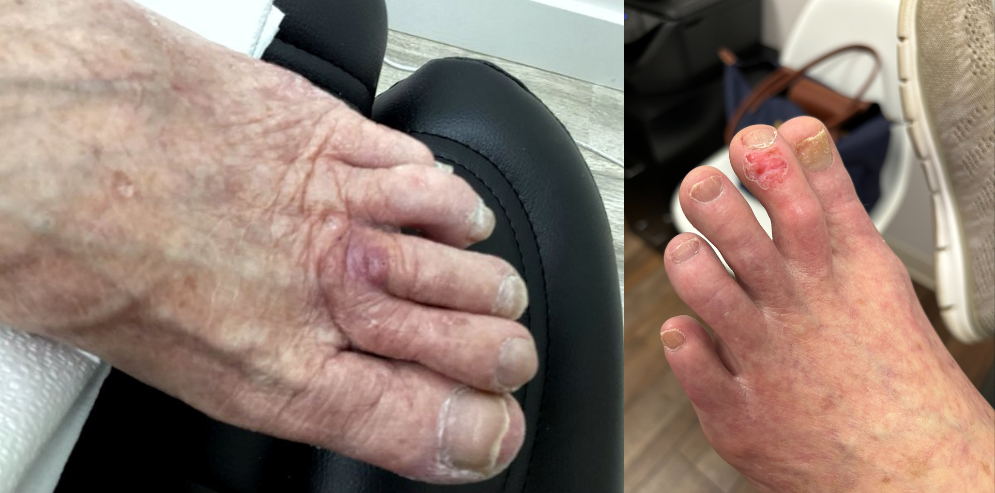
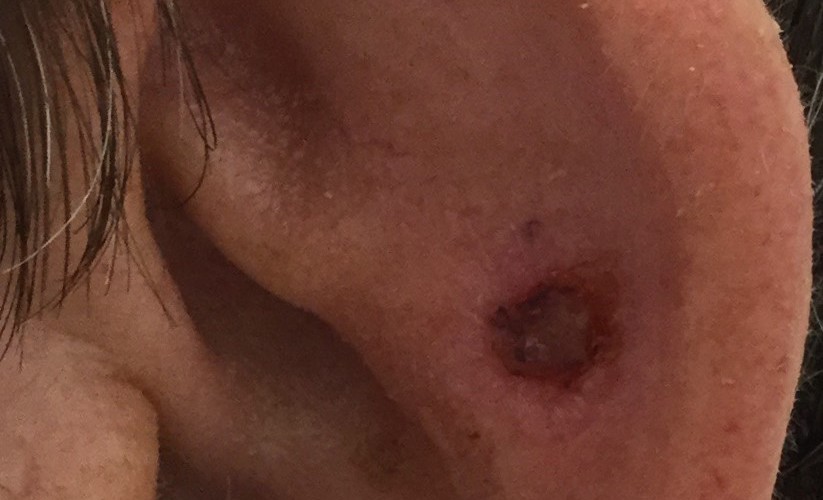
- Temporary redness or slight skin irritation near the treatment area
- Mild dryness or flaking as the skin heals
- Subtle coloring (hyperpigmentation) that fades over time
These side effects can be cared for by your doctor and usually go away within 2 to 6 weeks after treatment ends.
Comparing IGSRT Post-Treatment to Surgical Recovery
| Factor | IGSRT | Surgical Recovery (e.g., Mohs) |
| Invasiveness | Non-surgical, no incisions | Requires cutting and sutures |
| Pain & Discomfort | Mild to none | Moderate; requires wound care |
| Downtime | None; normal activities continue | May need days to weeks off work |
| Surgical Scarring | None | Scarring possible depending on location |
| Follow-up care | Simple skin care and monitoring | Post-surgical wound checks |
Patients often describe IGSRT as a “gentle” experience that fits seamlessly into their daily lives.
Aftercare Tips Following Treatment with IGSRT
To support your skin’s natural healing process:
- Clean the treated area gently with mild soap and water.
- Avoid scrubbing, scratching, or applying harsh products.
- Use a dermatologist-approved moisturizer to prevent dryness.
- Protect the treated skin from direct sunlight with clothing and broad-spectrum sunscreen.
- Attend all scheduled follow-up appointments with your care team.
Most effects are mild, but if you notice persistent redness, peeling, or discomfort, contact your doctor for additional care. .
FAQ: IGSRT Recovery Time
Most patients see full healing within a few weeks after the final session. Some mild redness or discoloration may last longer but continues to fade over time.
Yes. Since there are no wounds or sutures, you can maintain your normal schedule unless your doctor advises otherwise.
Long-term side effects are rare. GentleCure reports 99%+ cure rates and high patient satisfaction, with minimal visible changes to the skin once healing is complete.
IGSRT is especially beneficial for delicate, highly visible areas because it avoids surgical scarring, and provides favorable cosmetic outcomes, which helps preserve skin appearance on sensitive areas.
What Happens After IGSRT
Once your treatment is complete and the skin has fully healed, your care team will recommend periodic follow-ups to monitor your skin’s health. Preventive steps like daily sun protection, regular skin exams, and early detection remain essential.
GentleCure’s team is here to help you understand every stage of your journey — from diagnosis to treatment and beyond.
Learn More About IGSRT
Explore how IGSRT compares to surgery and what makes it a gentle, effective option for nonmelanoma skin cancer: