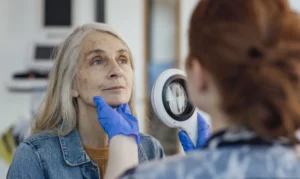

A monthly skin check is one of the simplest habits for early detection. It is not about obsessing over every freckle. It is about noticing changes so you can act early if something looks new, different, or is not healing.
This guide gives you a practical monthly checklist, a simple photo tracking method, and clear signals for when it is time to schedule a dermatology visit.
Why monthly skin checks matter
Skin cancer often becomes easier to recognize when you can compare “now” to “normal for me.” Monthly checks build that baseline. You start to notice:
- New spots that were not there before
- Changes in an existing mole, patch, or bump
- Areas that keep scabbing, crusting, or not healing
- Spots that stand out compared to everything else on your skin
Monthly skin check checklist
Plan for 10 minutes once a month. Choose a consistent day like the first weekend of the month so it is easy to remember.
Step 1: Set up your tools
You only need:
- Good lighting
- A full length mirror and a handheld mirror
- Your phone camera
- A comb or hair dryer for scalp checks
- A chair (to sit down while checking your feet and legs)
Step 2: Check your face and scalp
- Look at your face: forehead, nose, cheeks, and around the eyes
- Check ears, including behind the ears
- Part your hair in sections to inspect the scalp
- Ask someone to help if possible
Step 3: Check your hands and arms
- Palms and backs of hands
- Between fingers
- Wrists and forearms
- Upper arms and underarms
Step 4: Check your torso
- Neck and chest
- Stomach and sides
- Under breasts and skin folds
- Groin area and inner thighs
- Use a mirror or ask someone to help for areas you cannot see well.
Step 5: Check your back
This is a common blind spot.
- Upper back and shoulders
- Mid and lower back
- Back of neck
- Use two mirrors or ask for help
Step 6: Check legs, feet, and nails
- Front and back of legs
- Knees and behind knees
- Ankles and tops of feet
- Soles of feet and between toes
- Fingernails and toenails
What to track month to month
The checklist helps you look. Tracking helps you notice change.
Use the photo plus notes method
For anything that looks new or unusual:
- Take a clear photo in natural light
- Take one close up and one wider photo to show location
- Add a reference point (ruler, coin, fingertip) next to the spot
- Save a note with the date and symptoms (itching, tenderness, bleeding, scabbing)
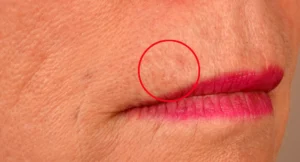
This is especially helpful for subtle issues like a flat patch, a recurring scab, or a spot that is changing slowly.
Red flags to take seriously
A monthly check is not about guessing. It is about recognizing patterns that deserve professional evaluation.
Schedule a dermatology appointment if you notice:
- A spot that is new and changing
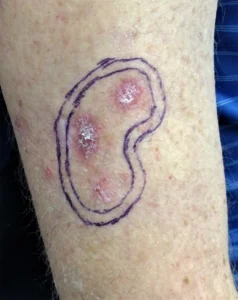
- A sore that does not heal or keeps returning
- A spot that bleeds, crusts, or scabs repeatedly
- A growth with an irregular border or multiple colors
- A spot that stands out from everything else on your skin
When to schedule a professional skin exam
Monthly self checks support early detection, but they are not a replacement for medical screening. If you have higher risk factors or you notice a concerning change, getting checked is the right move.
Learn what a visit includes, read: full body skin cancer screening: what to expect.
How to make this a habit that sticks
A monthly skin check is only useful if it is consistent. A few ways to make it easy:
- Choose a recurring date (first Sunday, first Saturday, etc.)
- Pair it with an existing routine like changing toothbrush heads or paying bills
- Keep a note on your phone called “Skin Check” with dated photos and notes
Frequently asked questions
About 10 minutes once you get used to the process.
Track it with photos and notes and schedule a dermatology visit if it is changing, not healing, or recurring.
It depends on your risk factors and your dermatologist’s guidance. If you have a history of skin cancer, high sun exposure, or other risk factors, routine screening may be recommended.
Only checking places they can easily see. Scalp, back, soles of feet, and nails are common blind spots.
Key takeaways
A monthly skin check is a simple, low effort habit that helps you spot changes early. Use a repeatable checklist, track anything new with photos, and do not wait on spots that change, recur, or do not heal.