Squamous Cell Skin Cancer: Resource Guide
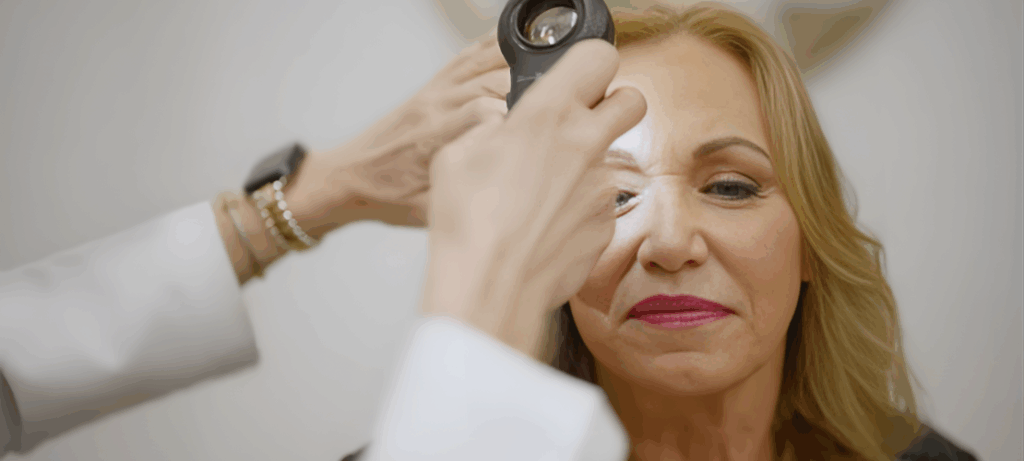
Squamous cell skin cancer (also known as squamous cell carcinoma, or SCC) is the second most common type of skin cancer. It starts in the flat cells that make up the top and middle layers of the skin. SCC usually develops in areas that get a lot of sun, such as the face, ears, lips, neck, or the backs of the hands, but it can also appear in places like the mouth or under the nails. It may look like a red, scaly patch, rough or thickened skin, an open sore that doesn’t heal, or a firm bump that may crust or bleed. Most SCCs can be treated and are not life-threatening when found early, but if left untreated, they can grow deeper and sometimes spread to other parts of the body. Checking your skin regularly and seeing a dermatologist for skin exams are the best ways to catch SCC early and lower the risk of serious problems.
Squamous cell skin cancer (SCC) can appear in a few different types, each with its own features. The most common type is cutaneous SCC, which usually develops on sun-exposed skin and may look like scaly patches or raised growths. In situ squamous cell skin cancer, also known as Bowen’s disease, is an early stage that stays in the top layer of the skin and often looks like a red, scaly patch that doesn’t go away. Knowing about these types helps doctors diagnose and treat SCC more effectively, which is why early detection and regular dermatologist visits are so important.
Squamous Cell Skin Cancer Stages
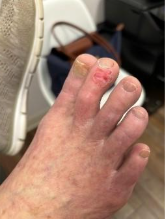
Squamous cell skin cancer (SCC) is staged to show how far the cancer has grown and to help guide treatment. Stage 0, also called SCC in situ, means the cancer cells are only in the top layer of the skin and have not spread deeper. Stage I means the tumor is small, less than 2 centimeters across (about the size of a peanut), and does not have high-risk features. Stage II refers to larger tumors or ones that have grown deeper into the skin or into nerves, which makes them more likely to spread. Stage III means the cancer has spread to nearby lymph nodes or tissues, and Stage IV is the most advanced stage, when the cancer has spread to distant lymph nodes, organs, or other parts of the body. SCC that is found and treated early is often very curable, while later stages can be harder to treat. This is why early detection and proper staging are so important for choosing the right treatment and getting the best outcome.
Learn more:
Squamous Cell Skin Cancer Risk Factors
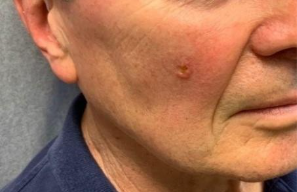
The main risk factor for squamous cell skin cancer (SCC) is too much exposure to ultraviolet (UV) rays from the sun or tanning beds. People with fair skin, light eyes or hair, and a history of bad sunburns have a higher chance of getting SCC. Other risk factors include having a weak immune system, being older, or being exposed to harmful substances like arsenic or certain industrial chemicals. Having precancerous spots on the skin, called actinic keratoses (AK), also makes SCC more likely. If you have these risks, it’s important to protect your skin from the sun, avoid tanning beds, and see a dermatologist regularly to catch skin changes early and lower your risk.
Learn more:
Signs & Symptoms / How to Spot Squamous Cell Skin Cancer
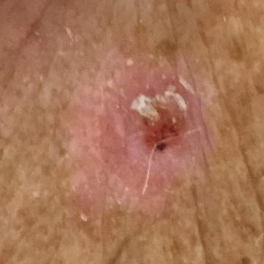
Squamous cell skin cancer (SCC) can look and behave differently in its early and later stages. In the beginning, it may appear as red, scaly patches, rough or thick skin, wart-like growths, or raised bumps that can crust, bleed, or feel sore. These spots usually show up in areas that get a lot of sun but can appear anywhere on the body. As SCC grows, the spots may get bigger, become painful, form open sores, or develop hard, raised edges. Unlike some other skin cancers, SCC often grows faster and, if not treated, can spread deeper into the skin and sometimes to the lymph nodes or other organs. Finding and treating SCC early is very important, which is why regular skin checks and seeing a dermatologist for new or changing spots is the best way to prevent serious problems.
SCC often starts with small changes on the skin that can look like other common skin problems, such as eczema, warts, or sores that don’t go away. Warning signs include rough or scaly patches, red or irritated spots, wart-like bumps, or sores that bleed, crust, or don’t heal. Sometimes these spots feel tender or painful. They usually show up in areas that get a lot of sun, like the face, lips, ears, neck, and hands, but SCC can also appear anywhere on the body.
Since SCC can look like other skin issues, it’s important to pay attention to any new, changing, or stubborn spots. Seeing a dermatologist right away can help make sure you get the right diagnosis and treatment early, which lowers the chance of the cancer spreading or becoming more serious.
Learn more:
- What Does Skin Cancer Look Like?
- Skin Cancer Spots
- What Are the ABCDE’s of Skin Cancer?
- Is Skin Cancer Itchy?
- Is Skin Cancer Painful?
- Can Skin Cancer Appear as a Rash?
- How to Tell the Difference Between a Mole and Skin Cancer
- How to Tell the Difference Between a Freckle and Skin Cancer
- How to Tell the Difference Between a Pimple and Skin Cancer
- Psoriasis vs. Skin Cancer
- Wart vs. Skin Cancer
- Skin Tags vs. Skin Cancer
- Cysts vs. Skin Cancer
- Skin Cancer or Eczema
- What Does Skin Cancer Look Like on the Skin of People of Color?
- How Does Skin Cancer Appear on the Nose?
- How Skin Cancer Appears on Lips
- How Skin Cancer Appears on Neck
- Identifying Skin Cancer on the Scalp
- How Does Skin Cancer Appear on the Forehead?
- Identifying Skin Cancer on Nails
- How Skin Cancer Appears on Legs
- How Does Skin Cancer on the Toes Look?
- How Skin Cancer Appears on Feet
Detection & Diagnosis
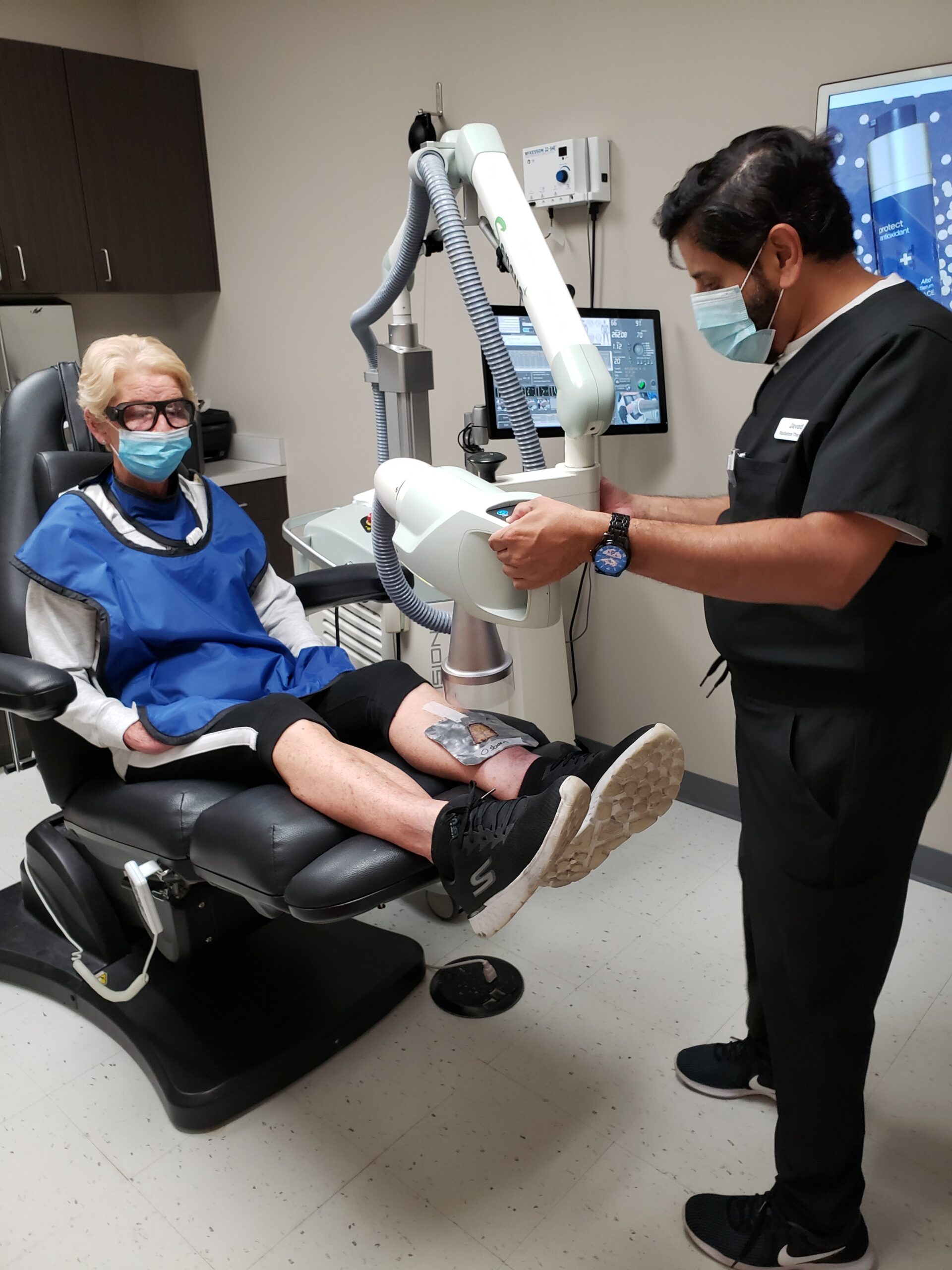
Detecting and diagnosing squamous cell skin cancer (SCC) usually starts with a careful skin exam. During these exams, a dermatologist looks for spots that seem unusual, especially changes in size, shape, color, or texture on skin that gets a lot of sun. Areas that are scaly, crusted, or do not heal may raise concern. If the doctor finds a suspicious spot, they will often do a biopsy, which means taking a small sample of the skin to check under a microscope. This helps confirm if it is SCC and whether it is only in the top layer of skin or has grown deeper. Finding SCC early is very important, because it can grow faster than some other skin cancers and may spread if left untreated. Doing regular self-checks at home and getting professional skin exams are the best ways to catch SCC early and get effective treatment.
Learn more:
Treatment & Side Effects
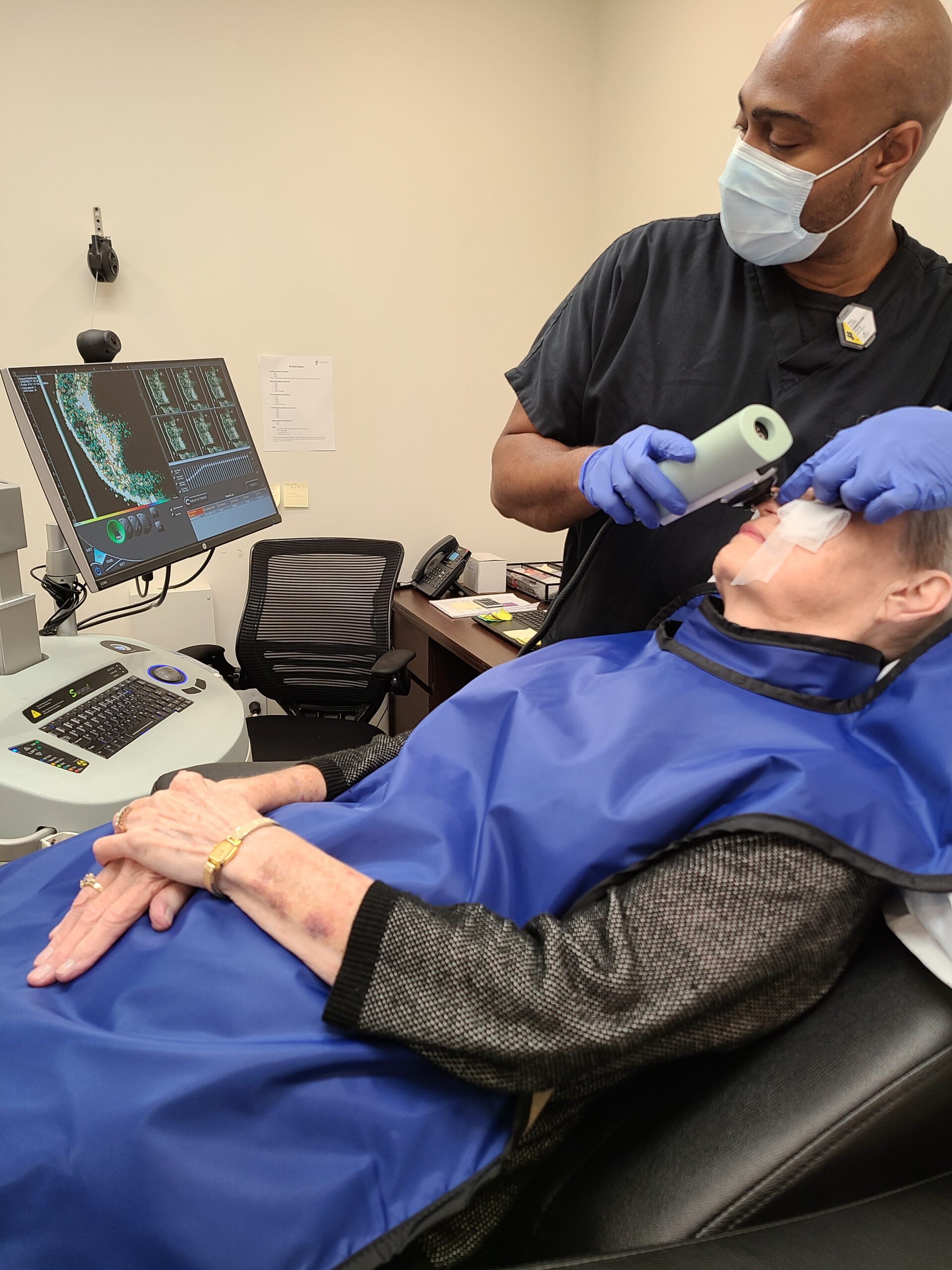
Treatment for squamous cell skin cancer (SCC) depends on the size, stage, and location of the cancer, as well as the patient’s overall health. Common treatments include surgical excision, where the cancer and some surrounding healthy skin are removed, and Mohs surgery, where the cancer is taken out layer by layer and checked under a microscope until no cancer cells remain. Other options include cryotherapy, which freezes and destroys the cancer with liquid nitrogen, and special creams that may be used for very small or early SCCs. Another option is Image-Guided Superficial Radiation Therapy (IGSRT). This treatment uses precise, low-dose radiation to target the tumor while protecting healthy skin. IGSRT can reduce scarring and is especially helpful for cancers on sensitive or visible areas, such as the face.
Learn more:
Post Care
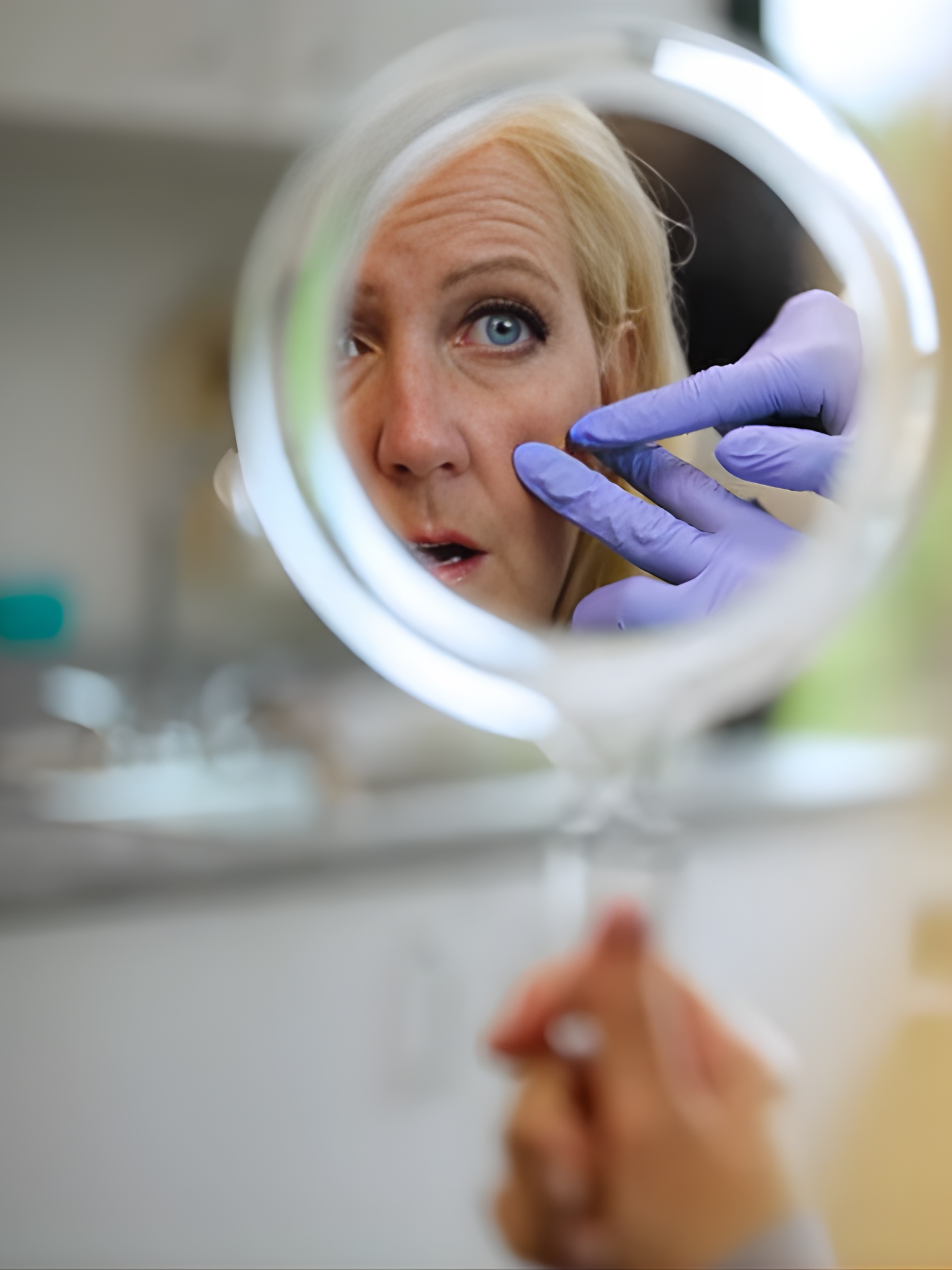
The outlook for squamous cell skin cancer (SCC) is usually very good when it is found and treated early. Most cases can be cured, but because SCC can sometimes act more aggressively than other skin cancers, regular follow-up is very important. After treatment, patients may need to care for the treated area with proper wound care and sun protection to help it heal and reduce scarring. Ongoing checkups with a dermatologist are also key, since new skin cancers or recurrences can happen. Depending on your risk, visits may be recommended every few months or once a year. Protecting your skin from the sun by using sunscreen daily, wearing protective clothing, and avoiding tanning beds can lower your chances of getting SCC again. Emotional health matters too—support from family, friends, or even counseling can help ease worry and make recovery easier. With early detection, the right treatment, and good long-term care, most people with SCC can expect a positive outcome and healthy skin moving forward.
Learn more:
Prevention Tips
You can lower your risk of getting basal cell or squamous cell skin cancer by taking some smart steps to protect your skin:
- Use sunscreen every day: Choose a broad-spectrum sunscreen with SPF 30 or higher. Put it on even when it’s cloudy and reapply every two hours or after swimming or sweating
- Wear protective clothing: Long sleeves, wide-brimmed hats, and UV-blocking sunglasses can help keep harmful rays off your skin.
- Find shade: Try to stay out of direct sunlight between 10 a.m. and 4 p.m., when the sun’s rays are the strongest.
- Skip tanning beds: The artificial UV rays from tanning beds raise your risk of skin cancer.
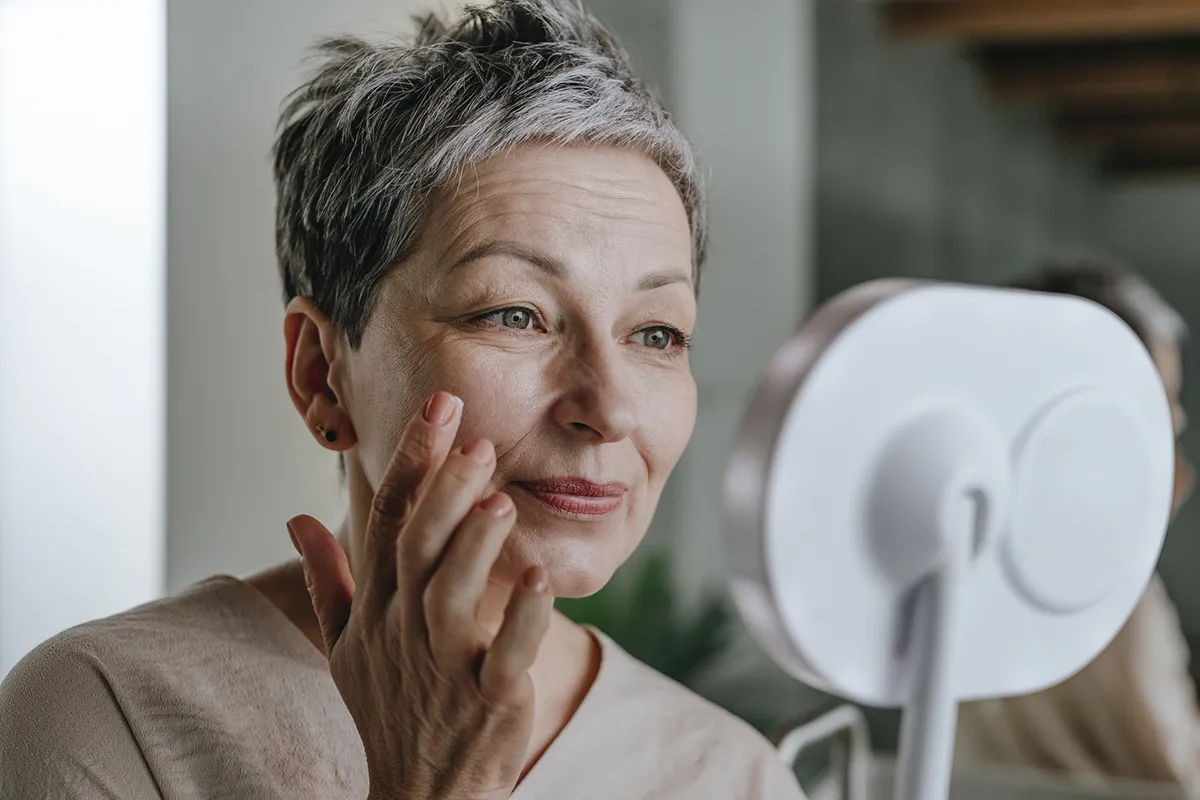
- Check your skin regularly: Do a self-check once a month to look for new spots or changes in old ones. Visit a dermatologist every year, or more often if you’ve had sunburns, precancerous spots, or skin cancer in the past.
Take care of your skin overall: Drink plenty of water, eat a balanced diet, and support your immune system to help your skin stay healthy.
Learn more:
Stay Up-to-Date with Squamous Cell Skin Cancer, Treatments and Recovery with GentleCure
To learn more, visit GentleCure.com or call 855-936-4411 to talk with a Skin Cancer Information Specialist about GentleCure / Image-Guided SRT and to find the practices closest to you offering this treatment. With the right information and support, you can make confident choices about your skin health and care.
Everyone Deserves a Surgery-Free Treatment Option
Participate in change. Do not let radiation oncologists limit your treatment options to protect their income. Sign a FREE petition to tell Medicare and health insurers that you expect them to CONTINUE COVERING an FDA-cleared, less invasive treatment option.